Newsletter Subscribe
Enter your email address below and subscribe to our newsletter

Aviation Jobs Guide

A career in avionics technology blends precision, innovation, and the thrill of working on the electronic systems that keep modern aircraft flying safely. As aviation becomes increasingly digital, avionics technician careers are expanding rapidly, offering long‑term stability and exciting opportunities for growth. Whether you’re just beginning to explore the field or planning a career transition, understanding the steps, skills, and pathways involved will help you build a strong and rewarding future.
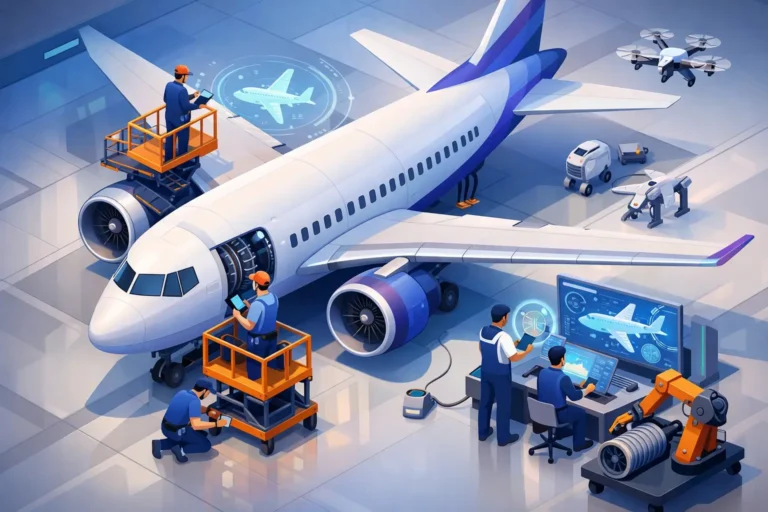
Avionics technicians are responsible for installing, maintaining, inspecting, and repairing the electronic systems that power aircraft operations. These systems include communication radios, navigation equipment, flight control systems, weather radar, collision‑avoidance systems, and digital cockpit displays. Because these components are essential for flight safety, technicians follow strict procedures, use advanced diagnostic tools, and work with exceptional attention to detail.
Their work ensures that every aircraft—commercial, private, or military—meets regulatory standards and operates reliably in all conditions.
Several powerful trends are fueling demand for skilled avionics professionals:
These factors make avionics one of the most secure and future‑proof technical career paths available today.
Most avionics technicians begin through one of three pathways, each offering a strong foundation:
Choosing the right path depends on your timeline, budget, and long‑term goals, but all three can lead to strong entry‑level opportunities.
While not always required, certifications dramatically increase your employability and earning potential. The most valuable include:
Employers often prioritize candidates who combine hands‑on experience with recognized certifications.
Avionics technicians must be comfortable working with both mechanical and digital systems. The most important skills include:
Soft skills matter too. Clear communication, teamwork, and accurate documentation are essential in aviation maintenance, where every repair must be logged and verified.
Avionics technicians work in a variety of settings, each offering different experiences and career paths:
Your ideal environment depends on whether you prefer routine maintenance, hands‑on troubleshooting, or cutting‑edge development work.
Avionics technician careers offer clear pathways for growth. With experience and additional certifications, you can move into roles such as:
Because aviation technology evolves rapidly, continuous learning is essential. Staying current with new systems, regulations, and diagnostic tools will keep your skills competitive.
Salaries vary based on experience, certifications, and employer type, but avionics technicians generally earn competitive wages. Entry‑level positions start strong, and experienced technicians—especially those with A&P certification or specialized endorsements—can earn significantly more. Overtime, shift differentials, and travel pay can also boost income.
The combination of job stability, advancement opportunities, and strong compensation makes avionics an appealing long‑term career.
To stand out in the job market, highlight:
Networking with instructors, attending aviation job fairs, and joining professional organizations can also open valuable doors.
Launching a career as an avionics technician is a powerful choice for anyone who loves technology, problem‑solving, and working in a high‑stakes environment where precision matters. With strong job demand, clear advancement pathways, and the chance to work on some of the most sophisticated machines in the world, avionics technician careers offer both stability and excitement.
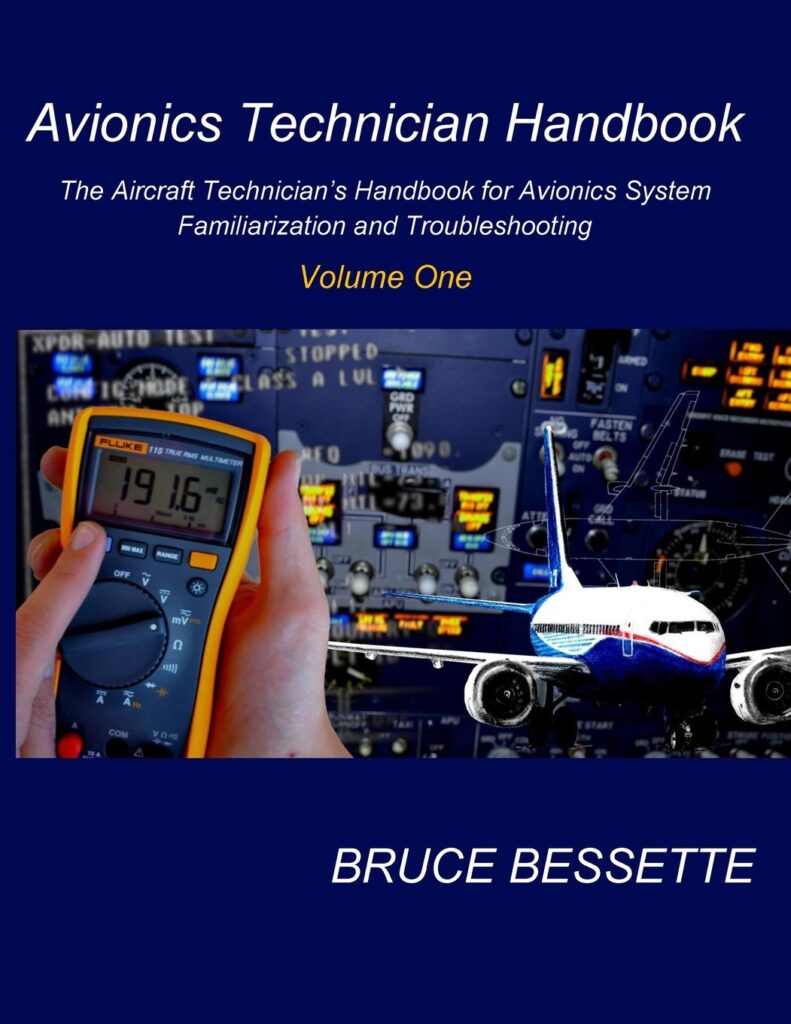
You might also be interested in reading THE AVIONICS TECHNICIAN CAREER GUIDE.
The journey to becoming an avionics technician is not just about technical skills; it’s about crafting a narrative that showcases your passion and dedication. By effectively networking with industry professionals and leveraging opportunities such as job fairs, you can position yourself as a standout candidate. As you embark on this path, remember that every application is a chance to tell your unique story, reflecting your enthusiasm for innovation and precision in aviation. Embrace the challenge, and you’ll find that a rewarding career in avionics awaits you. If you are looking for a job as an Avionics Technician, Aviation Employment Network may have opportunities that you would be interested in.