 Charles Simmons
A Strategic Roadmap for Students, Career Changers, and Emerging Professionals
Table of Contents
- Introduction: Why Aerospace Still Matters
- The Aerospace Ecosystem: How the Industry Actually Works
- Core Career Categories
- Engineering Careers
- Piloting & Flight Operations
- Aircraft & Spacecraft Maintenance
- Manufacturing & Production
- Space Careers
- Uncrewed Systems (Drones & Autonomous Flight)
- Air Traffic, Airports & Infrastructure
- Business, Management & Leadership
- Research, Innovation & Emerging Technologies
- Military Pathways
- Education, Training & Certification
- Salary Expectations Across the Industry
- How to Choose the Right Path
- The Future of Aerospace Careers
- Final Thoughts & Next Steps
1. Introduction: Why Aerospace Still Matters
Aerospace is one of the most complex, high‑stakes, and globally influential industries on Earth. It shapes national security, global transportation, scientific discovery, and the future of human civilization. Whether you’re fascinated by airplanes, rockets, satellites, drones, or the systems that keep them flying, aerospace offers a career landscape unlike any other.
This guide is designed to give you a complete, strategic overview of aerospace careers — not just job titles, but the ecosystem, pathways, training, salaries, and future trends that will shape your decisions.
Aerospace is not just for engineers or pilots. It’s for:
- Students who love science, math, or hands‑on work
- Career changers looking for stability and purpose
- Veterans transitioning to civilian roles
- Professionals seeking leadership or management opportunities
- Innovators drawn to space, autonomy, or advanced technology
If you want a career that blends challenge, innovation, and impact, aerospace is one of the most rewarding fields you can enter.
2. The Aerospace Ecosystem: How the Industry Actually Works
Aerospace is not a single industry — it’s a network of interconnected sectors. Understanding the ecosystem helps you see where you fit.
The Major Sectors
- Commercial Aviation Airlines, airports, manufacturers, maintenance, operations.
- Defense & Military Aviation Fighters, bombers, surveillance aircraft, UAVs, logistics.
- Space Industry Launch providers, satellites, exploration, space tourism.
- Uncrewed & Autonomous Systems Drones, AI‑driven aircraft, remote sensing, delivery systems.
- Manufacturing & Supply Chain Components, materials, avionics, engines, composites.
- Research & Development NASA, DARPA, universities, private labs.
- Regulation & Safety FAA, EASA, ICAO, NTSB, safety engineering.
Each sector contains dozens of career paths, from hands‑on technical roles to high‑level leadership.
3. Core Career Categories
Aerospace careers fall into several broad categories:
1. Engineering & Design
Aerospace careers span a wide spectrum of highly specialized disciplines, but one of the largest and most influential domains is Aerospace Engineering and Design. This field brings together the experts who imagine, model, and build the aircraft and spacecraft that define modern aviation. Aerospace engineers lead the charge, shaping everything from aerodynamic structures to mission‑critical systems. Mechanical engineers contribute by designing moving components, control surfaces, and mechanical assemblies that must perform flawlessly under extreme conditions. Avionics engineers focus on the electronic heart of every aircraft—navigation, communication, flight‑control computers, and integrated digital systems. Propulsion engineers push the boundaries of power and efficiency, developing jet engines, rocket motors, and hybrid propulsion technologies. Systems engineers ensure that every subsystem—mechanical, electrical, digital, and structural—works together seamlessly in a safe, reliable whole. Meanwhile, materials and composites specialists pioneer the advanced alloys, carbon‑fiber structures, and heat‑resistant materials that make modern aerospace vehicles lighter, stronger, and more capable than ever. Together, these roles form the creative and technical backbone of the aerospace industry. Checkout this bullet list.
- Aerospace engineers
- Mechanical engineers
- Avionics engineers
- Propulsion engineers
- Systems engineers
- Materials & composites specialists
2. Flight Operations
- Airline pilots
- Corporate pilots
- Military pilots
- Flight instructors
- Flight dispatchers
- Loadmasters
3. Maintenance & Technical Services
- A&P mechanics
- Avionics technicians
- Structures technicians
- Quality inspectors
- Maintenance controllers
4. Manufacturing & Production
- Assembly technicians
- CNC machinists
- Tooling specialists
- Production supervisors
5. Space Careers
- Mission control
- Satellite operations
- Spacecraft technicians
- Astrophysicists
- Planetary scientists
6. Uncrewed Systems
- Drone pilots
- UAS engineers
- Remote sensing analysts
- Autonomy developers
7. Air Traffic & Infrastructure
- Air traffic controllers
- Airport operations
- Aviation planners
- Safety analysts
8. Business, Management & Leadership
- Program managers
- Supply chain managers
- Safety managers
- HR & talent development
- Aviation executives
9. Research & Innovation
- Aerodynamics researchers
- AI & autonomy researchers
- Hypersonics specialists
- Space propulsion scientists
This guide will explore each category in depth.
4. Engineering Careers
Engineering is the backbone of aerospace. If you love solving problems, designing systems, or working with advanced technology, engineering may be your path.
Aerospace Engineer
Aerospace engineers design aircraft, spacecraft, satellites, and propulsion systems. They work in:
- Aerodynamics
- Flight mechanics
- Propulsion
- Structures
- Avionics
- Systems integration
Daily Work
- Designing components
- Running simulations
- Testing prototypes
- Solving performance issues
- Collaborating with manufacturing teams
Education
- Bachelor’s in aerospace or mechanical engineering
- Master’s for advanced roles
- Internships are essential
Salary Range
- Entry: $70k–$90k
- Mid-career: $100k–$140k
- Senior: $150k+
Mechanical Engineer
Mechanical engineers are everywhere in aerospace — engines, landing gear, hydraulics, environmental systems, robotics.
Why It’s Valuable
Mechanical engineering is versatile. You can work in aviation, space, defense, or manufacturing.
Avionics Engineer
Avionics engineers design and maintain:
- Navigation systems
- Communication systems
- Flight control computers
- Radar and sensors
This field is growing rapidly due to automation and AI.
Propulsion Engineer
Propulsion engineers work on:
- Jet engines
- Rocket engines
- Electric propulsion
- Hybrid systems
This is one of the most specialized and high‑impact engineering roles.
Systems Engineer
Systems engineers coordinate complex aerospace systems. They ensure everything works together.
Skills
- Big‑picture thinking
- Requirements management
- Risk analysis
- Integration testing
Systems engineers are in extremely high demand.
5. Piloting & Flight Operations
Pilots are the most visible professionals in aerospace, but the pathway is often misunderstood.
Airline Pilot
Airline pilots fly passengers and cargo for major and regional airlines.
Training Path
- Private Pilot License
- Instrument Rating
- Commercial Pilot License
- Multi‑Engine Rating
- CFI (optional but common)
- 1,500 hours (U.S. requirement)
- Airline Transport Pilot Certificate
Salary
- Regional first officer: $50k–$90k
- Major airline captain: $250k–$400k+
Corporate & Charter Pilot
Corporate pilots fly business jets for companies, private owners, and charter operators.
Why People Choose It
- Smaller teams
- More autonomy
- Higher variety of destinations
Military Pilot
Military pilots fly fighters, transports, helicopters, and drones.
Benefits
- World‑class training
- Leadership development
- Strong post‑service career options
Flight Instructor
Flight instructors train new pilots and build flight time.
Why It Matters
CFIs are the backbone of the pilot pipeline.
Flight Dispatcher
Dispatchers share legal responsibility for flight safety with the captain.
Daily Work
- Weather analysis
- Fuel planning
- Route optimization
6. Aircraft & Spacecraft Maintenance
Maintenance is one of the most stable and essential aerospace career paths.
A&P Mechanic
A&P mechanics maintain and repair aircraft structures and engines.
Training
- FAA‑approved school (18–24 months)
- Or 30 months of experience
- Written, oral, and practical exams
Salary
- Entry: $25–$32/hr
- Experienced: $35–$50/hr
- Supervisors: $80k–$120k
Avionics Technician
Avionics techs work on electrical and electronic systems.
Why It’s Growing
Modern aircraft rely heavily on automation and digital systems.
Structures Technician
Structures techs repair composite and metal airframes.
Industries
- Airlines
- MROs
- Manufacturing
- Defense
Maintenance Controller
Controllers oversee fleets and coordinate repairs.
Skills
- Troubleshooting
- Communication
- Decision‑making
7. Manufacturing & Production
Manufacturing is where aerospace designs become reality.
Assembly Technician
Builds aircraft components and systems.
CNC Machinist
Creates precision parts for engines, landing gear, and structures.
Tooling Specialist
Designs tools and fixtures used in production.
Production Supervisor
Leads teams and ensures quality and efficiency.
8. Space Careers
Space is no longer just NASA — it’s a booming commercial industry.
Mission Control Specialist
Monitors spacecraft and supports missions.
Satellite Operations
Manages satellite health, data, and communication.
Spacecraft Technician
Builds and tests spacecraft components.
Astrophysicist / Planetary Scientist
Studies celestial bodies and space phenomena.
Launch Operations
Works on rockets, fueling, countdowns, and safety.
9. Uncrewed Systems (Drones & Autonomous Flight)
This is one of the fastest‑growing aerospace sectors.
Drone Pilot
Operates drones for:
- Mapping
- Inspections
- Agriculture
- Delivery
- Defense
UAS Engineer
Designs drone systems and autonomy.
Remote Sensing Analyst
Interprets drone‑collected data.
10. Air Traffic, Airports & Infrastructure
Air Traffic Controller
Directs aircraft on the ground and in the air.
Why It’s High‑Demand
Retirements and growth have created shortages.
Airport Operations
Manages airport safety, logistics, and compliance.
Aviation Planner
Designs airport expansions and airspace systems.
11. Business, Management & Leadership
Aerospace needs leaders who understand operations, safety, and strategy.
Program Manager
Oversees major aerospace projects.
Safety Manager
Ensures regulatory compliance and risk management.
Supply Chain Manager
Coordinates global aerospace suppliers.
Executive Leadership
CEOs, COOs, chief pilots, directors of maintenance, etc.
12. Research, Innovation & Emerging Technologies
Aerospace innovation is accelerating.
Hypersonics
Mach 5+ flight research.
Electric & Hybrid Propulsion
Sustainable aviation technologies.
AI & Autonomy
Self‑flying aircraft and advanced decision systems.
Advanced Materials
Composites, ceramics, metamaterials.
Space Propulsion
Ion drives, nuclear thermal propulsion, solar sails.
13. Military Pathways
The military remains one of the strongest entry points into aerospace.
Benefits
- Paid training
- Leadership experience
- Technical skills
- Clear advancement
- Strong civilian transition
Roles
- Pilots
- Aircraft maintainers
- UAV operators
- Engineers
- Intelligence analysts
- Space operations
14. Education, Training & Certification
Engineering
- Bachelor’s degree minimum
- Internships essential
- Master’s for advanced roles
Pilots
- FAA certificates
- Flight school or university program
- Military training option
Maintenance
- FAA Part 147 school
- Military experience
- On‑the‑job training
Space Careers
- STEM degrees
- Research experience
- Graduate school for science roles
15. Salary Expectations Across the Industry
| Career Path | Entry Level | Mid‑Career | Senior |
|---|---|---|---|
| Aerospace Engineer | $70k–$90k | $100k–$140k | $150k+ |
| Airline Pilot | $50k–$90k | $150k–$250k | $300k–$400k+ |
| A&P Mechanic | $25–$32/hr | $35–$50/hr | $80k–$120k |
| Avionics Tech | $25–$35/hr | $35–$45/hr | $90k+ |
| Air Traffic Controller | $60k | $120k | $180k+ |
| Space Operations | $70k | $120k | $160k+ |
| Drone Pilot | $40k | $70k | $120k+ |
16. How to Choose the Right Path
Choosing a career in aerospace is about alignment — not just skills, but personality, lifestyle, and long‑term goals.
Ask Yourself:
- Do I prefer hands‑on work or analytical work?
- Do I want a stable schedule or am I open to travel?
- Do I want to work with aircraft, spacecraft, or systems?
- Do I enjoy leadership, teamwork, or independent work?
- Do I want to work in the private sector, government, or military?
Match Your Personality to the Path
- Hands‑on, mechanical, detail‑oriented → Maintenance, manufacturing
- Analytical, systems‑focused → Engineering, R&D
- Leadership‑driven → Management, operations
- Adventure‑oriented → Piloting, military
- Curiosity‑driven → Space, research
- Tech‑forward → Avionics, autonomy, drones
17. The Future of Aerospace Careers
Aerospace is entering a renaissance. The next 20 years will bring:
1. Electric & Hybrid Aircraft
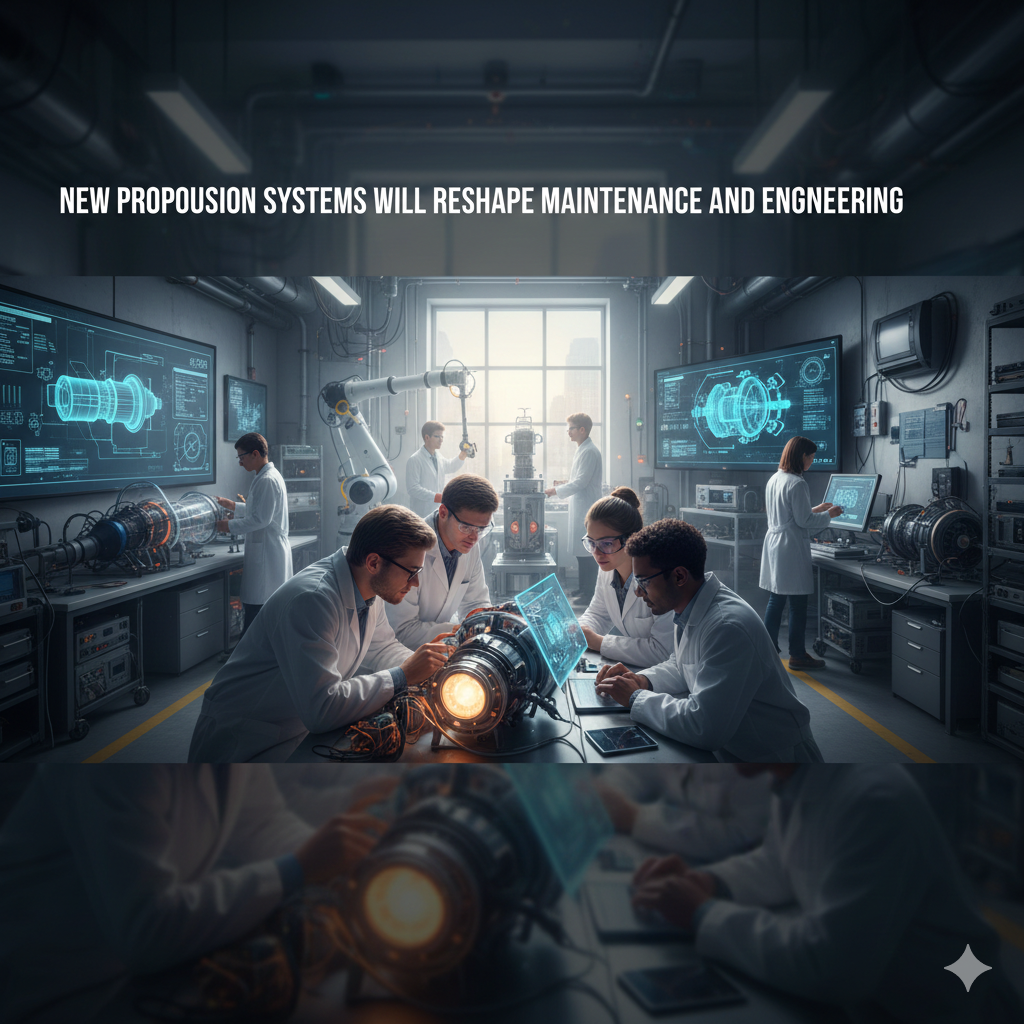
New propulsion systems will reshape maintenance and engineering.
2. Autonomous Flight
Drones, air taxis, and AI‑driven systems will create new roles.
3. Space Commercialization
Space tourism, lunar missions, asteroid mining, and Mars exploration.
4. Sustainable Aviation
Biofuels, hydrogen propulsion, and carbon‑neutral operations.
5. Hypersonic Travel
Mach 5+ aircraft for defense and commercial use.
6. Digital Aviation
Data analytics, digital twins, predictive maintenance.
7. Workforce Shortages
Pilots, mechanics, engineers, and controllers are all in high demand.
Aerospace careers are not just stable — they’re expanding.
18. Final Thoughts & Next Steps
Aerospace is one of the most exciting, meaningful, and future‑proof career fields in the world. Whether you want to fly aircraft, design spacecraft, maintain engines, manage airports, or explore the frontiers of science, there is a place for you.
This guide gives you the full landscape — but your next step is choosing your path.