Newsletter Subscribe
Enter your email address below and subscribe to our newsletter
Aviation Jobs Guide
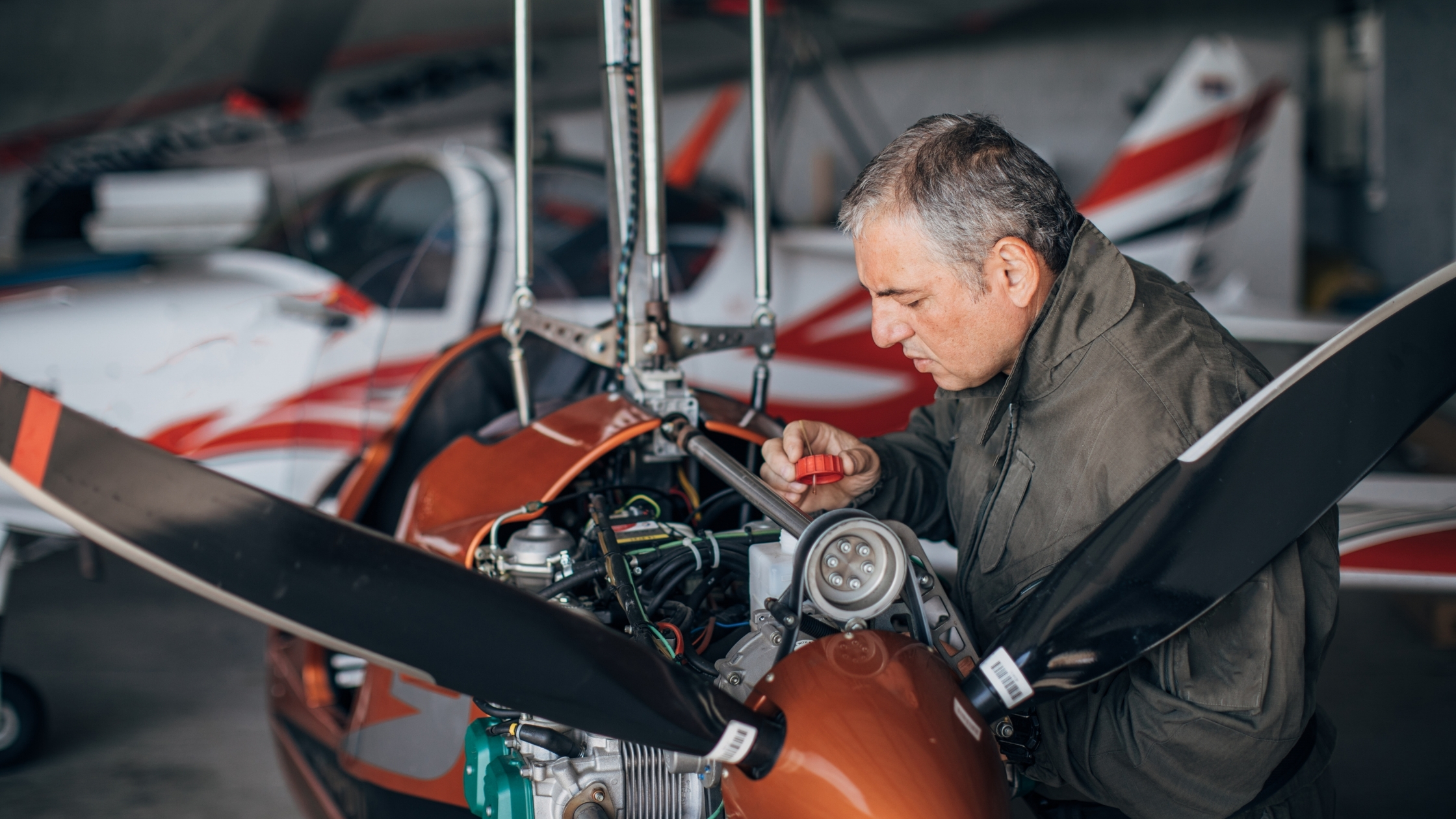
If you’ve ever watched an aircraft lift off the runway and wondered who keeps that machine safe, the answer is simple: highly trained aviation maintenance professionals known as A&P mechanics.
An A&P mechanic—short for Airframe and Powerplant mechanic—is one of the most essential professionals in the aviation industry. These FAA‑certified technicians are trained to maintain, repair, and inspect the two major sections of an aircraft: the airframe and the powerplant. Because every aircraft must meet strict federal safety standards before it can fly, the A&P mechanic becomes the guardian of airworthiness, reliability, and passenger safety. Expanding on the core responsibilities, skills, work environments, and importance of the role shows why the A&P mechanic remains one of the most respected careers in aviation.
The daily work of an A&P mechanic revolves around ensuring that an aircraft is safe, compliant, and ready for flight. This requires hands‑on technical work, documentation, and strict adherence to FAA regulations.
A&P mechanics maintain and repair the structural and mechanical components of the aircraft, including:
The powerplant portion of the A&P license covers engines and all related systems:
Every task an A&P mechanics perform must comply with federal law. When a mechanic signs a logbook entry, they are legally certifying that the aircraft meets all airworthiness requirements. This means following:
There is no room for improvisation. Aviation maintenance is built on precision, documentation, and accountability.
The best A&P mechanics combine technical expertise with strong personal qualities. The role demands a blend of mechanical skill, analytical thinking, and unwavering integrity.
These qualities make the A&P mechanic not just a technician, but a trusted aviation professional.
A&P mechanics are needed across nearly every corner of the aviation industry. Their skills apply to a wide range of aircraft types and operational environments.
Each environment offers different challenges, from fast‑paced airline operations to the hands‑on variety of general aviation.
Aviation depends on trust—trust that every aircraft is safe, every system is reliable, and every inspection is performed with precision. A&P’s are the professionals who make that trust possible. Their work ensures that pilots can fly confidently and passengers can travel safely.
As the aviation industry faces a growing shortage of skilled technicians, the demand for A&P mechanics continues to rise. This creates strong job security, competitive pay, and opportunities for advancement into roles such as inspector, lead technician, maintenance manager, or even airline maintenance controller.
For individuals who enjoy hands‑on work, solving complex problems, and contributing to a mission that directly impacts safety, becoming an A&P mechanic offers a meaningful and rewarding career path.