A&P Mechanic Career Path

A&P Mechanic: 7 Inspiring Insights Into This Powerful Aviation Career

If you’ve ever watched an aircraft lift off the runway and wondered who keeps that machine safe, the answer is simple: highly trained aviation maintenance professionals known as A&P mechanics.

Share your love

An A&P mechanic—short for Airframe and Powerplant mechanic—is one of the most essential professionals in the aviation industry. These FAA‑certified technicians are trained to maintain, repair, and inspect the two major sections of an aircraft: the airframe and the powerplant. Because every aircraft must meet strict federal safety standards before it can fly, the A&P mechanic becomes the guardian of airworthiness, reliability, and passenger safety. Expanding on the core responsibilities, skills, work environments, and importance of the role shows why the A&P mechanic remains one of the most respected careers in aviation.

What Tasks Does an A&P Mechanic Perform?

The daily work of an A&P mechanic revolves around ensuring that an aircraft is safe, compliant, and ready for flight. This requires hands‑on technical work, documentation, and strict adherence to FAA regulations.

Airframe Responsibilities

A&P mechanics maintain and repair the structural and mechanical components of the aircraft, including:

  • Fuselage and skin repairs — inspecting for corrosion, cracks, and structural fatigue.
  • Wings and control surfaces — ensuring proper alignment, balance, and movement.
  • Landing gear systems — servicing hydraulics, brakes, wheels, and shock‑absorbing components.
  • Flight controls — rigging cables, adjusting linkages, and verifying smooth operation.
  • Cabin and interior systems — maintaining doors, windows, seats, and safety equipment.

Powerplant Responsibilities

The powerplant portion of the A&P license covers engines and all related systems:

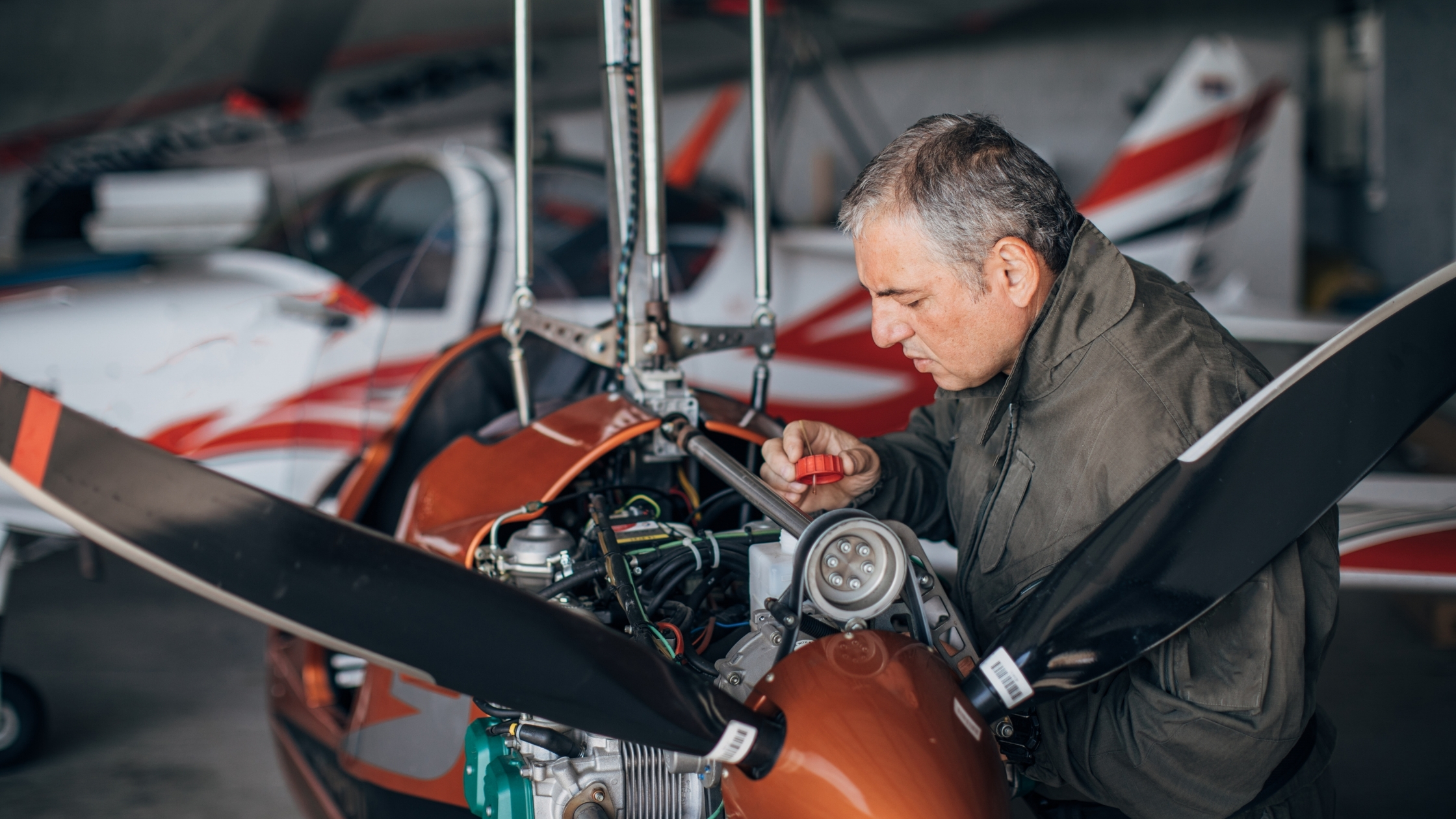
  • Turbine and piston engine maintenance — performing inspections, repairs, and overhauls.
  • Propeller systems — balancing, repairing, and ensuring proper pitch control.
  • Fuel and ignition systems — troubleshooting flow issues, leaks, and electrical faults.
  • Exhaust and cooling systems — ensuring proper airflow, temperature control, and emissions compliance.
  • Engine performance testing — running engines to verify power output and reliability.

Regulatory and Documentation Duties

Every task an A&P mechanics perform must comply with federal law. When a mechanic signs a logbook entry, they are legally certifying that the aircraft meets all airworthiness requirements. This means following:

  • FAA regulations and maintenance standards
  • Manufacturer maintenance manuals
  • Airworthiness directives
  • Service bulletins
  • Precise torque values and approved procedures

There is no room for improvisation. Aviation maintenance is built on precision, documentation, and accountability.
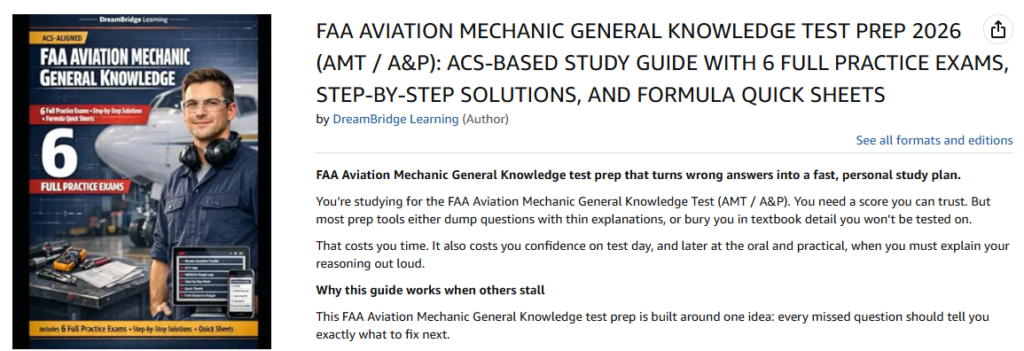
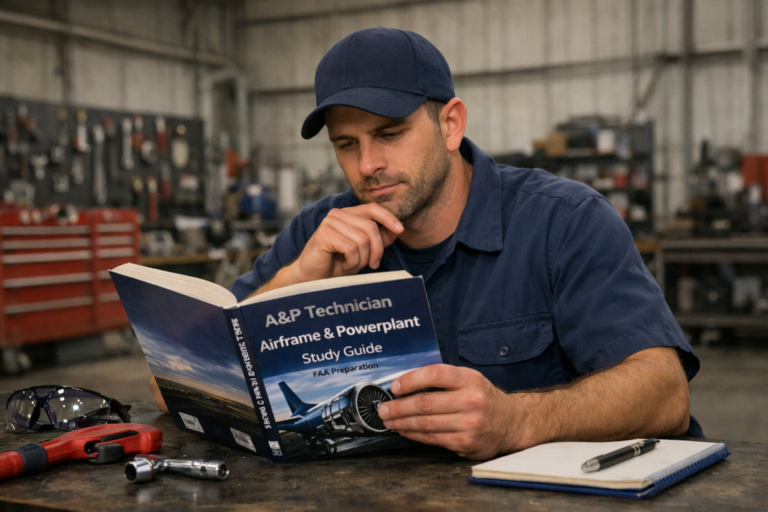
A&P Mechanic Study Guide

FAA AVIATION MECHANIC GENERAL KNOWLEDGE TEST PREP 2026 (AMT / A&P): ACS-BASED STUDY GUIDE WITH 6 FULL PRACTICE EXAMS, STEP-BY-STEP SOLUTIONS, AND FORMULA QUICK SHEETS

Skills and Qualities That Define an A&P

The best A&P mechanics combine technical expertise with strong personal qualities. The role demands a blend of mechanical skill, analytical thinking, and unwavering integrity.

  • Attention to detail — even a small oversight can have major consequences.
  • Mechanical aptitude — understanding how hydraulic, pneumatic, electrical, and structural systems interact.
  • Problem‑solving ability — diagnosing issues that may not have obvious causes.
  • Integrity and responsibility — grounding an aircraft when something is unsafe, even under pressure.
  • Commitment to safety — recognizing that every task affects the lives of pilots, passengers, and crew.
  • Adaptability — working in changing environments, weather conditions, and operational demands.
  • Communication skills — documenting work clearly and collaborating with pilots, inspectors, and other technicians.

These qualities make the A&P mechanic not just a technician, but a trusted aviation professional.

Where A&P Mechanics Work

A&P mechanics are needed across nearly every corner of the aviation industry. Their skills apply to a wide range of aircraft types and operational environments.

  • Major airlines — maintaining large commercial jets on tight schedules.
  • Regional and cargo carriers — supporting fleets that operate high‑frequency routes.
  • Corporate aviation — servicing business jets for private companies and executives.
  • General aviation — working on small piston aircraft, trainers, and recreational planes.
  • MRO (Maintenance, Repair, and Overhaul) facilities — performing heavy inspections and major repairs.
  • Helicopter operations — supporting medical transport, offshore oil, utility work, and law enforcement.
  • Military and government aviation — maintaining specialized aircraft and mission‑critical systems.

Each environment offers different challenges, from fast‑paced airline operations to the hands‑on variety of general aviation.

Why the A&P Mechanic Role Matters

Aviation depends on trust—trust that every aircraft is safe, every system is reliable, and every inspection is performed with precision. A&P’s are the professionals who make that trust possible. Their work ensures that pilots can fly confidently and passengers can travel safely.

As the aviation industry faces a growing shortage of skilled technicians, the demand for A&P mechanics continues to rise. This creates strong job security, competitive pay, and opportunities for advancement into roles such as inspector, lead technician, maintenance manager, or even airline maintenance controller.

For individuals who enjoy hands‑on work, solving complex problems, and contributing to a mission that directly impacts safety, becoming an A&P mechanic offers a meaningful and rewarding career path.


Looking for work in aviation maintenance? Click here to find A&P Mechanic Jobs Right Now!

Share your love
Charles Simmons
Charles Simmons

About Charles Simmons Charles Simmons is a veteran of the aviation industry with over 35 years of experience and 14,000+ flight hours. An ATP-rated pilot with six type ratings, Charles has served in critical leadership roles including Chief Pilot, Director of Operations (DO), and Executive Vice President of Flight Operations. With over two decades specialized in the Corporate Part 91 and Part135 sectors, he provides expert insight into career development, technical corporate aircraft operations, and aviation business strategy. Charles is the founder of the Chief Pilot Academy and lead contributor to the Aviation Jobs Guide, dedicated to mentoring the next generation of aerospace professionals.

Articles: 116

Leave a Reply

Stay informed and not overwhelmed, subscribe now!