Newsletter Subscribe
Enter your email address below and subscribe to our newsletter

Aviation Jobs Guide
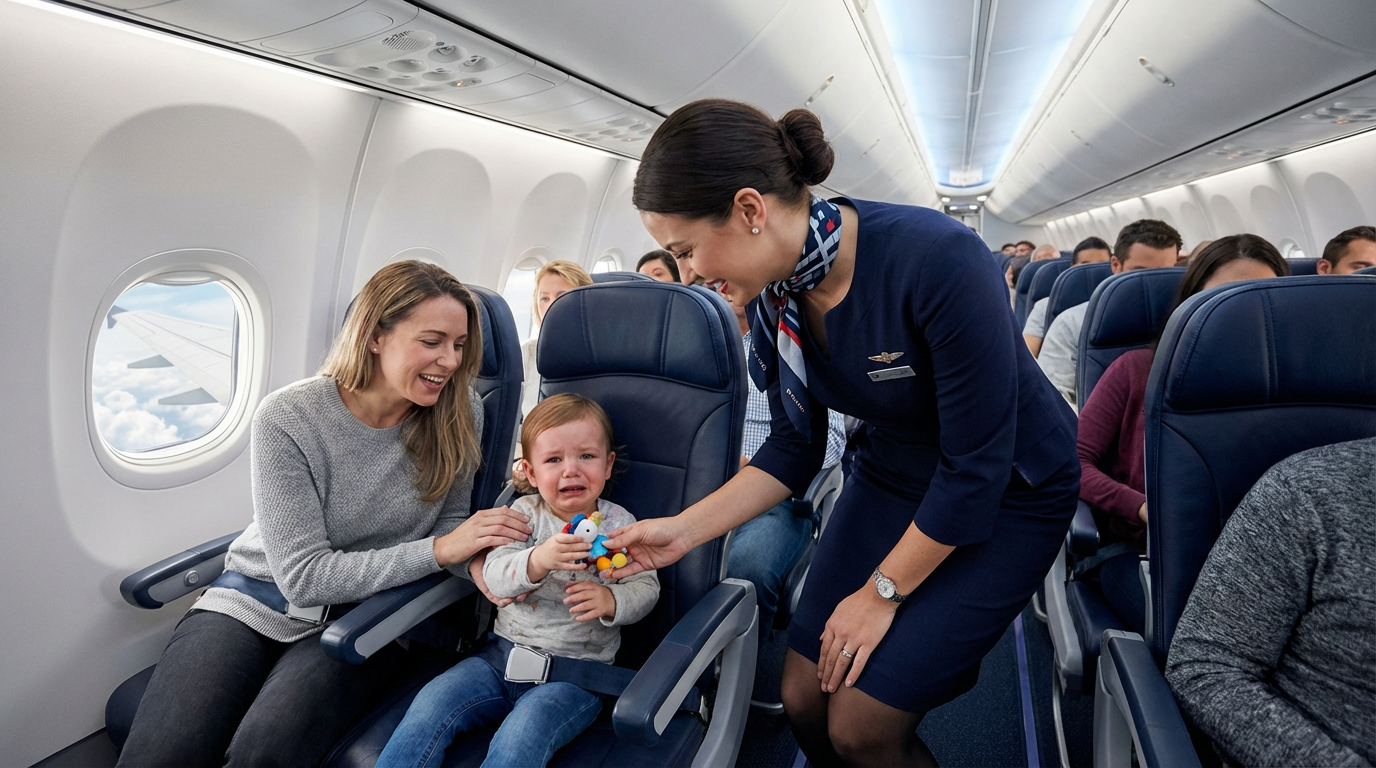
Becoming a flight attendant is one of the most sought‑after careers in aviation. It blends customer service, safety leadership, travel, and teamwork into a single dynamic role.
Airline Flight Attendant Requirements are key for those applying for flight attendant jobs. This can be one of the most competitive and exciting career paths in the aviation industry. The role blends customer service, safety leadership, global travel, and teamwork into a fast‑paced, people‑focused profession. While the job may appear glamorous from the passenger cabin, the qualifications behind it are detailed, structured, and rooted in safety. If you’re wondering how to become a flight attendant or what airlines look for during the hiring process, this comprehensive guide breaks down the essential flight attendant requirements you need to know.
Most airlines—whether major U.S. carriers or international airlines—share a core set of baseline qualifications. These are the non‑negotiable requirements every aspiring flight attendant must meet:
Age Requirements
In the United States, airlines typically require applicants to be 18 to 21 years old, depending on the carrier. Some international airlines set the minimum age at 21, especially those operating long‑haul routes or serving alcohol onboard.
Education Requirements
A high school diploma or GED is required across the industry. While not mandatory, many airlines prefer candidates with college coursework or degrees, particularly in hospitality, tourism, communications, or customer service fields.
Legal Documentation
Applicants must have the legal right to work in the airline’s home country. A valid passport is essential for international travel, and some airlines require the ability to obtain visas for multiple countries.
Background Screening
To comply with federal aviation safety standards, airlines conduct:
These screenings ensure that flight attendants meet strict safety and security guidelines.
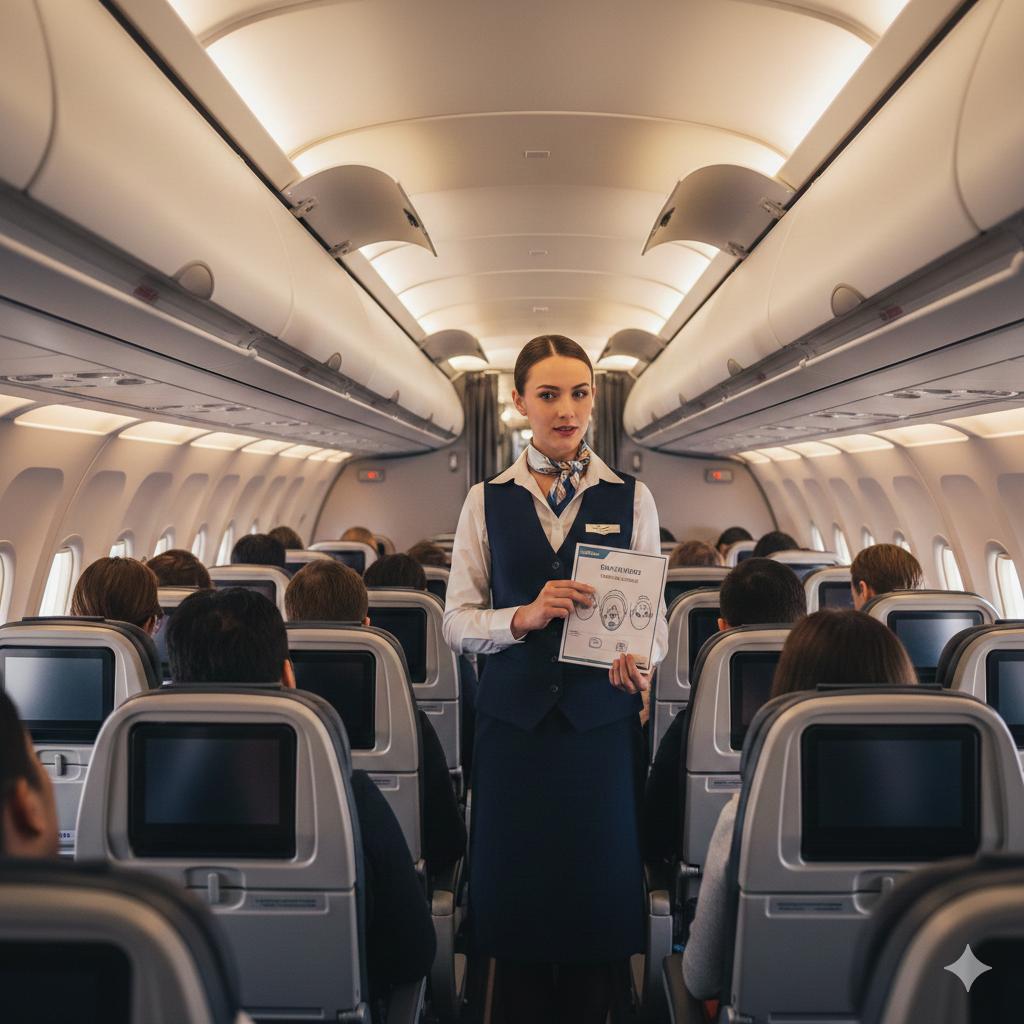
Flight attendants are, first and foremost, safety professionals. Because of this, airlines set physical standards to ensure candidates can perform emergency duties effectively.
Height and Reach Requirements
Most airlines require a specific arm‑reach measurement, often between 6’10” and 7’2” while standing flat‑footed. This ensures attendants can access overhead bins and emergency equipment. Some carriers also set minimum or maximum height ranges depending on aircraft type.
Physical Strength and Mobility
Flight attendants must be able to:
These abilities are essential for handling real‑world safety scenarios.
Appearance Standards
While modern airlines have relaxed many grooming rules, they still expect a professional, polished appearance that aligns with brand guidelines. Tattoos, piercings, and hairstyles may be regulated depending on the airline.
Vision and Hearing
Corrected vision is acceptable, but candidates must meet minimum acuity standards. Adequate hearing is required to understand and deliver safety announcements.
Airlines seek individuals who can remain calm, confident, and compassionate in a wide range of situations. Strong soft skills are just as important as physical qualifications.
Key qualities include:
Experience in hospitality, retail, or customer service gives applicants a significant advantage.
Once hired, new recruits must complete the airline’s flight attendant training program, which typically lasts 4 to 8 weeks. Training is intensive and covers:
Training is often unpaid or minimally paid. To graduate, trainees must pass written exams, hands‑on evaluations, and safety drills to earn their FAA Certificate of Demonstrated Proficiency.
The airline flight attendant lifestyle is rewarding but demanding. New hires should be prepared for:
Flexibility is essential, especially in the early years of the career.
The path to becoming an airline flight attendant is selective, structured, and deeply rooted in safety. For those who meet the requirements and thrive in a fast‑paced, customer‑focused environment, it offers a fulfilling career with global experiences and a strong sense of purpose. Understanding these flight attendant requirements is the first step toward joining one of the most dynamic professions in aviation.
If you’re exploring airline flight attendant careers—or you’ve already spent years living out of a suitcase—you know that the right tools can completely transform the way you travel. Today is the perfect moment to refresh the essentials that stay in your carry‑on year‑round, especially the items that streamline your routine, lighten your luggage, and keep every trip running smoothly. Even if you’re just beginning your journey into airline flight attendant careers or only travel occasionally, upgrading your gear now sets you up for stress‑free, well‑organized trips all season long.
Travelpro Maxlite 5: A 21″ bag to make your life easier