Learn About the Immense Potential of an Exciting and Powerful Career
A Strategic Roadmap for Students, Career Changers, and Emerging Professionals
1. Introduction: Why Aerospace Careers Still Matter

The first time you watch a jet carve through the sky or see a rocket ignite against the darkness of space, something stirs. It’s a mix of awe, curiosity, and the unmistakable pull of possibility. That feeling—shared by dreamers, builders, and explorers across generations—is the heartbeat of aerospace careers, one of the most complex and influential industries shaping our world.
Aerospace is not just another field. It’s a global force that defines national security, transforms transportation, expands scientific discovery, and pushes humanity toward new frontiers. Every aircraft that lifts off, every satellite that orbits Earth, every rover that touches another planet is the result of thousands of people working in harmony. And behind each of those achievements is someone who once wondered, Could this be my future?
For those drawn to aviation or space exploration, aerospace careers offer a rare combination of challenge, purpose, and impact. This industry thrives on innovation—on people who are willing to imagine what doesn’t yet exist and then build it. Whether your passion lies in designing aircraft, analyzing flight data, assembling spacecraft, or managing complex missions, aerospace provides a landscape where curiosity becomes contribution.
What makes aerospace careers so compelling is the sheer diversity of paths available. The industry spans commercial aviation, defense, space exploration, autonomous systems, and emerging technologies that blur the line between science fiction and reality. You might find yourself working on next‑generation passenger jets, developing hypersonic vehicles, programming satellite constellations, or supporting missions that reach beyond Earth’s atmosphere. Each role, no matter how specialized, plays a part in advancing the technologies that move humanity forward.
And here’s the truth many people don’t realize: aerospace is not reserved for engineers and pilots. The industry thrives because of technicians, analysts, project managers, cybersecurity specialists, machinists, designers, logisticians, and countless other professionals who bring their expertise to the table. If you love science or math, there’s a place for you. If you prefer hands‑on work, there’s a place for you. If you’re a leader, a strategist, a problem‑solver, or an innovator, aerospace has room for you too.
Students often enter the field because they’re fascinated by airplanes or rockets. Career changers arrive seeking stability, purpose, or a chance to work on something bigger than themselves. Veterans transition into aerospace because their discipline, technical skills, and mission‑driven mindset align naturally with the industry. Professionals from other sectors join because aerospace offers opportunities to lead, to innovate, and to shape technologies that will define the next century.
What unites all these people is a shared desire to contribute to something meaningful. Aerospace careers offer that in abundance. The work is demanding, but the rewards—intellectual, financial, and personal—are unmatched. Few industries allow you to say, “I helped build something that flies,” or “I contributed to a mission that reached space.”
Understanding the landscape of aerospace careers is essential for anyone considering this path. It’s not just about job titles; it’s about the ecosystem that supports them. Training programs, certifications, apprenticeships, degree pathways, and on‑the‑job learning all play a role in shaping your trajectory. Salaries vary widely depending on specialization, experience, and sector, but the industry consistently ranks among the highest‑paying technical fields. And the future? It’s expanding faster than ever.
Commercial aviation is evolving toward greener, more efficient aircraft. Defense organizations are investing in advanced systems, cybersecurity, and autonomous technologies. Space exploration is entering a new era driven by both government agencies and private companies. Drones, urban air mobility, and space tourism are no longer distant concepts—they’re emerging markets creating entirely new categories of aerospace careers.
This guide exists to help you navigate that world with clarity and confidence. It’s designed to give you a strategic understanding of the opportunities ahead, the skills you’ll need, and the trends that will shape your journey. Aerospace is a field where passion meets purpose, where innovation meets impact, and where your work can literally reach the stars.
If you’re searching for a career that challenges you, inspires you, and allows you to contribute to the future of human civilization, aerospace is one of the most rewarding paths you can choose. enter.
2. The Aerospace Ecosystem: How the Industry Actually Works
Choosing a path in aerospace careers is more than selecting a job—it’s stepping into a world defined by innovation, precision, and the relentless pursuit of what lies beyond the horizon. Few industries evolve as quickly or influence global progress as profoundly as aerospace. When you enter this field, you’re not just working with machines; you’re shaping the future of transportation, defense, exploration, and human capability.
Aerospace is often mistaken for a single industry, but in reality, it’s a vast ecosystem of interconnected sectors. Each one has its own culture, technologies, challenges, and opportunities. Understanding this ecosystem is the key to discovering where your strengths, passions, and ambitions align. Whether you’re drawn to the roar of jet engines, the silence of orbit, or the precision of advanced manufacturing, there’s a place for you in this world.
The Living Ecosystem of Aerospace Careers
Imagine aerospace as a constellation—each sector a star, each career path a point of light. Together, they form a map of possibilities. Let’s explore the major sectors that define this industry and the roles that bring them to life.
Commercial Aviation: The Beating Heart of Global Travel
Commercial aviation is the sector most people recognize first. It’s the world of airlines, airports, aircraft manufacturers, and the massive operations that keep millions of passengers moving every day. But behind the scenes, it’s also a world of engineering marvels, logistical mastery, and nonstop problem‑solving.
In this sector, aerospace careers range from aircraft technicians and avionics specialists to flight test engineers, safety analysts, and operations managers. You might work on designing next‑generation airliners, maintaining fleets that crisscross the globe, or optimizing airport systems that handle thousands of flights daily. Commercial aviation thrives on efficiency, safety, and innovation—qualities that define the entire aerospace ecosystem.
Defense & Military Aviation: Protecting Nations and Advancing Technology
Defense aviation is where aerospace careers intersect with national security. This sector develops and supports fighters, bombers, surveillance aircraft, unmanned aerial vehicles, and the logistics systems that keep them mission‑ready.
Working in defense means contributing to technologies that often push the boundaries of what’s possible—stealth systems, hypersonic vehicles, advanced sensors, and autonomous platforms. Careers here include aerospace engineers, intelligence analysts, systems integrators, maintenance specialists, and program managers overseeing billion‑dollar projects.
For many, the appeal lies in the mission: protecting nations, supporting service members, and advancing technologies that often influence the commercial world years later.
The Space Industry: Humanity’s Next Frontier
Few sectors ignite the imagination like the space industry. This is the realm of launch providers, satellite manufacturers, planetary exploration, and the emerging world of space tourism. It’s where aerospace careers stretch beyond Earth’s atmosphere and into the unknown.
You might work on designing rockets, analyzing orbital mechanics, building spacecraft components, or supporting missions that study distant planets. The rise of private space companies has opened new opportunities in propulsion, robotics, mission operations, and space systems engineering.
Space is no longer a distant dream—it’s a rapidly expanding industry that needs thinkers, builders, and explorers ready to push humanity forward.
Uncrewed & Autonomous Systems: The Future of Flight
The rise of drones and autonomous aircraft has created one of the fastest‑growing sectors in aerospace. These systems are transforming industries from agriculture and logistics to defense and environmental monitoring.
Aerospace careers in this sector include drone pilots, AI specialists, remote sensing analysts, software engineers, and designers of autonomous flight systems. You might develop aircraft that deliver medical supplies to remote areas, drones that inspect infrastructure, or AI‑driven systems that navigate complex environments without human input.
This sector blends aerospace with robotics, data science, and artificial intelligence—perfect for innovators who thrive at the intersection of disciplines.
Manufacturing & Supply Chain: The Backbone of Aerospace
Behind every aircraft, rocket, or satellite is a global network of manufacturers and suppliers. This sector produces engines, avionics, composites, materials, and thousands of precision components that must meet exacting standards.
Aerospace careers here include machinists, materials scientists, quality engineers, supply chain analysts, and production managers. You might work with cutting‑edge composites, advanced metals, additive manufacturing, or automated assembly systems.
This is the sector where ideas become physical reality—where innovation meets craftsmanship.
Research & Development: Where the Future Begins
If you’re drawn to discovery, experimentation, and pushing the boundaries of science, R&D may be your home. Organizations like NASA, DARPA, universities, and private research labs drive breakthroughs in propulsion, aerodynamics, materials, autonomy, and space exploration.
Careers in this sector include research engineers, physicists, data scientists, test specialists, and project leads working on technologies that may not reach the market for decades. R&D is where aerospace careers become a blend of imagination and scientific rigor.
Regulation & Safety: The Guardians of the Sky
Aerospace is one of the most heavily regulated industries in the world—and for good reason. Safety is non‑negotiable. Agencies like the FAA, EASA, ICAO, and NTSB ensure that aircraft, operations, and systems meet the highest standards.
Professionals in this sector include safety engineers, compliance specialists, accident investigators, airworthiness inspectors, and policy experts. Their work protects lives, shapes global aviation standards, and ensures that innovation never outpaces safety.
Finding Your Place in the Aerospace Universe
Each of these sectors contains dozens of career paths, from hands‑on technical roles to high‑level leadership positions. Some careers require advanced degrees; others rely on certifications, apprenticeships, or specialized training. What matters most is understanding where your interests align with the industry’s needs.
Do you love solving complex problems? Engineering or R&D might be your path. Prefer hands‑on work? Manufacturing, maintenance, or operations could be a perfect fit. Drawn to strategy and leadership? Program management or regulatory roles may be ideal. Fascinated by space? The growing commercial space sector is full of opportunities.
Aerospace careers reward curiosity, discipline, and a willingness to learn. The industry evolves constantly, and those who thrive are the ones who embrace change, seek challenges, and push themselves to grow.
A Career That Reaches Beyond the Ordinary
Choosing a career in aerospace means joining a community of innovators, explorers, and problem‑solvers. It means working on technologies that shape global transportation, protect nations, and expand humanity’s reach into space. It means contributing to something larger than yourself.
3. Core Career Categories
Stepping into the world of aerospace careers is like entering a vast, interconnected universe where every role, every skill, and every discipline contributes to the machines and missions that shape our skies and expand our reach into space. What many people don’t realize at first is that aerospace isn’t a single lane—it’s a constellation of career categories, each one essential, each one offering its own challenges and rewards. Understanding these categories is the key to discovering where you belong in this extraordinary industry.
At the heart of aerospace lies engineering and design, the creative and analytical powerhouse that transforms ideas into aircraft, spacecraft, propulsion systems, and advanced technologies. This is where the dreamers and builders converge. Aerospace engineers imagine the aerodynamic shapes that cut through the atmosphere. Mechanical engineers refine the systems that make flight possible. Avionics engineers design the electronic brains that guide aircraft and spacecraft with precision. Propulsion engineers push the boundaries of speed and efficiency, developing engines that roar across continents or fire into orbit. Systems engineers weave all these elements together, ensuring that every component works in harmony. Materials and composites specialists experiment with lightweight, resilient structures that can withstand extreme temperatures, pressures, and forces. In this category, innovation is constant, and the work you do becomes the foundation for everything else in the aerospace world.
But engineering is only one part of the story. Flight operations form another pillar of aerospace careers, bringing the human element into the equation. Airline pilots navigate commercial aircraft across global routes, carrying millions of passengers safely every year. Corporate pilots fly executives and specialized missions, often requiring adaptability and precision. Military pilots operate some of the most advanced aircraft ever built, performing missions that demand skill, discipline, and courage. Flight instructors shape the next generation of aviators, passing on knowledge that keeps the skies safe. Dispatchers coordinate flights from the ground, analyzing weather, fuel, and logistics to ensure smooth operations. Loadmasters balance cargo aircraft with meticulous care, ensuring that weight and distribution meet strict safety standards. In flight operations, every decision matters, and every role contributes to the seamless movement of people and goods around the world.
Behind every successful flight is a team of maintenance and technical professionals who keep aircraft airworthy and mission‑ready. This category of aerospace careers is hands‑on, detail‑driven, and essential. A&P mechanics inspect, repair, and maintain aircraft systems with precision. Avionics technicians troubleshoot and upgrade the electronic systems that control navigation, communication, and flight management. Structures technicians repair and reinforce the physical framework of aircraft, ensuring durability and safety. Quality inspectors verify that every repair, every component, and every procedure meets strict regulatory standards. Maintenance controllers coordinate teams, schedules, and resources to keep fleets operating efficiently. Without these professionals, no aircraft would leave the ground.
Manufacturing and production form another critical category, transforming designs into physical reality. Assembly technicians build aircraft and spacecraft piece by piece, following exact specifications. CNC machinists craft precision components from metal and composite materials, often working with tolerances measured in thousandths of an inch. Tooling specialists create the fixtures and tools that make production possible. Production supervisors oversee entire manufacturing lines, ensuring that quality, efficiency, and safety remain uncompromised. This is where craftsmanship meets technology, and where the future of aerospace takes shape in factories and hangars around the world.
Then there is the realm of space careers, a category that captures the imagination like no other. Mission control specialists monitor spacecraft, coordinate operations, and respond to anomalies in real time. Satellite operators manage the systems that power global communication, navigation, and scientific observation. Spacecraft technicians assemble and test the vehicles that travel beyond Earth’s atmosphere. Astrophysicists study the universe, analyzing data from telescopes and missions to understand cosmic phenomena. Planetary scientists explore the geology, climate, and potential habitability of other worlds. In this category, aerospace careers extend far beyond Earth, contributing to discoveries that reshape our understanding of the cosmos.
As technology evolves, uncrewed systems have become one of the fastest‑growing areas in aerospace. Drone pilots operate unmanned aircraft for industries ranging from agriculture to emergency response. UAS engineers design the platforms, sensors, and software that make autonomous flight possible. Remote sensing analysts interpret data collected by drones, supporting environmental monitoring, mapping, and surveillance. Autonomy developers create the algorithms that allow aircraft to navigate, avoid obstacles, and complete missions without human intervention. This category blends aerospace with robotics, artificial intelligence, and data science, offering opportunities for those who thrive at the cutting edge of innovation.
Aerospace careers also extend into the infrastructure that supports global aviation. Air traffic controllers manage the flow of aircraft through some of the most complex airspace systems in the world, making split‑second decisions that keep millions of passengers safe. Airport operations professionals ensure that terminals, runways, and support systems function smoothly. Aviation planners design the future of airports, airspace, and transportation networks. Safety analysts study incidents, trends, and procedures to improve the reliability of aviation systems. These roles form the backbone of the aviation ecosystem, ensuring that the entire system operates with precision and safety.
Business, management, and leadership roles are equally vital. Program managers oversee large‑scale aerospace projects, coordinating teams, budgets, and timelines. Supply chain managers navigate the complex global networks that deliver parts and materials to manufacturers. Safety managers develop and enforce protocols that protect workers, passengers, and equipment. HR and talent development professionals recruit and train the workforce that keeps the industry moving. Aviation executives shape strategy, partnerships, and long‑term vision. These careers require a blend of technical understanding, strategic thinking, and leadership.
Finally, research and innovation drive the future of aerospace. Aerodynamics researchers explore new ways to reduce drag and improve efficiency. AI and autonomy researchers develop intelligent systems that enhance safety and performance. Hypersonics specialists study flight at extreme speeds, pushing the boundaries of what aircraft can achieve. Space propulsion scientists experiment with advanced engines that could one day take humans to Mars or beyond. This category is where imagination meets scientific rigor, and where tomorrow’s breakthroughs begin.
Together, these categories form the full spectrum of aerospace careers—a dynamic, interconnected world where every role matters. Whether you’re drawn to hands‑on work, scientific discovery, leadership, or cutting‑edge technology, there is a place for you in this industry. And this guide will take you deeper into each category, helping you understand the opportunities, pathways, and possibilities that await.
4. Engineering Careers
Engineering sits at the very core of aerospace careers, forming the backbone of an industry built on precision, imagination, and the relentless pursuit of innovation. For anyone who loves solving complex problems, designing intricate systems, or working with advanced technology, engineering is often the gateway into this world. It’s where ideas take shape, where theories become prototypes, and where the machines that define modern aviation and space exploration are born. The people who choose this path don’t just build aircraft or spacecraft—they build the future.
Among the most iconic roles in aerospace careers is that of the aerospace engineer. These are the architects of flight, the individuals who design aircraft, spacecraft, satellites, and propulsion systems that must perform flawlessly in some of the harshest environments imaginable. Their work spans aerodynamics, where they sculpt shapes that slice through the air with minimal drag; flight mechanics, where they analyze how vehicles behave in motion; propulsion, where they push engines to deliver more power with greater efficiency; structures, where they ensure that every component can withstand extreme forces; avionics, where they integrate the electronic systems that guide and control flight; and systems integration, where they bring all these elements together into a cohesive whole. Their daily work is a blend of creativity and technical rigor—designing components, running simulations, testing prototypes, solving performance issues, and collaborating with manufacturing teams to turn digital models into physical reality. Most begin with a bachelor’s degree in aerospace or mechanical engineering, and many pursue a master’s degree to specialize further. Internships are almost a rite of passage, offering hands‑on experience that shapes their early careers. The rewards are significant: entry‑level salaries often start between $70,000 and $90,000, mid‑career professionals earn between $100,000 and $140,000, and senior engineers frequently exceed $150,000.
Mechanical engineers also play a crucial role in aerospace careers, and their versatility makes them indispensable. They work on engines, landing gear, hydraulics, environmental control systems, robotics, and countless other components that keep aircraft and spacecraft functioning. Their skill set is broad, allowing them to move between aviation, space, defense, and manufacturing with ease. In many ways, mechanical engineering is the connective tissue of the aerospace world—wherever something moves, rotates, cools, heats, or transfers energy, a mechanical engineer has had a hand in its design.
Then there are avionics engineers, the specialists who bring intelligence to aerospace systems. They design and maintain navigation systems, communication systems, flight control computers, radar, and sensors—the electronic nervous system of modern aircraft and spacecraft. As automation and artificial intelligence continue to transform the industry, avionics has become one of the fastest‑growing areas in aerospace careers. These engineers ensure that pilots have the information they need, that autonomous systems can make decisions, and that spacecraft can communicate across vast distances. Their work blends electrical engineering, software development, and systems thinking, making it a perfect fit for those who enjoy working at the intersection of hardware and intelligence.
Propulsion engineers occupy one of the most specialized and high‑impact roles in aerospace. They are the minds behind jet engines, rocket engines, electric propulsion systems, and emerging hybrid technologies. Their work determines how fast an aircraft can fly, how efficiently it burns fuel, how far a spacecraft can travel, and how safely a rocket can reach orbit. Propulsion engineering demands a deep understanding of thermodynamics, fluid mechanics, materials science, and combustion. It’s a field where small improvements can lead to massive gains in performance, and where breakthroughs can redefine what is possible in both aviation and space exploration. For those who crave challenge and want to work on the beating heart of aerospace vehicles, propulsion is a natural fit.
Systems engineers, meanwhile, are the orchestrators of complexity. Aerospace vehicles are among the most intricate machines ever created, and systems engineers ensure that every component, subsystem, and interface works together seamlessly. They think in terms of the big picture—requirements management, risk analysis, integration testing, and lifecycle planning. Their job is to anticipate problems before they occur, to coordinate teams across disciplines, and to ensure that the final product meets performance, safety, and regulatory standards. In an industry where a single oversight can have enormous consequences, systems engineers are in exceptionally high demand. Their ability to balance technical depth with broad oversight makes them invaluable across aviation, defense, and space programs.
What ties all these engineering roles together is the shared sense of purpose that defines aerospace careers. Engineers in this field don’t simply design machines—they solve problems that push the boundaries of human capability. They work on aircraft that carry millions of passengers safely across the globe, spacecraft that explore distant planets, satellites that connect the world, and propulsion systems that may one day take humans beyond Mars. Their work requires precision, creativity, resilience, and a willingness to tackle challenges that have no easy answers.
The path into aerospace engineering is demanding, but it is also deeply rewarding. Students often begin with a passion for flight, space, or technology, and that passion grows as they learn how to apply physics, mathematics, and engineering principles to real‑world problems. Internships, research projects, and hands‑on experience help shape their direction, whether they gravitate toward design, testing, analysis, or integration. As they progress, they discover that aerospace careers offer not just technical challenges but opportunities for leadership, innovation, and long‑term growth.
Engineering in aerospace is not static. It evolves constantly as new materials emerge, new technologies mature, and new missions take shape. Electric aircraft, reusable rockets, autonomous flight systems, hypersonic vehicles, and advanced space propulsion are redefining what engineers can build. Those entering the field today will shape the next generation of breakthroughs, contributing to an industry that influences global transportation, national security, scientific discovery, and humanity’s future in space.
For anyone drawn to complexity, innovation, and impact, engineering offers one of the most exciting and meaningful paths within aerospace careers. It is a journey that challenges the mind, rewards curiosity, and connects you to a legacy of exploration that stretches from the first powered flight to the edge of the solar system.
5. Piloting & Flight Operations
There’s a moment every aspiring aviator remembers—the first time they watched an aircraft lift off the runway and felt something inside them rise with it. For some, it was the thunder of a jet engine. For others, the quiet glide of a small trainer slicing through the sky. Whatever sparked it, that moment becomes the compass that points them toward one of the most exhilarating paths in aerospace careers: piloting and flight operations.
Pilots are the most visible figures in aerospace, yet their world is far more complex, demanding, and fascinating than most people ever realize. Behind every smooth landing, every transcontinental flight, every cargo mission threading through storms and darkness, there is a pilot who has spent years mastering the craft. Becoming one is not simply a job choice—it’s a transformation.
Airline pilots sit at the center of global aviation, commanding aircraft that carry hundreds of passengers or thousands of pounds of cargo across continents and oceans. Their journey begins in small cockpits, often in aging trainers with analog gauges and the smell of avgas lingering in the air. The first milestone is the Private Pilot License, the moment a student takes the controls alone for the first time and feels the aircraft respond to their touch. Then comes the Instrument Rating, where they learn to fly through clouds and weather using nothing but instruments. The Commercial Pilot License follows, unlocking the ability to fly for hire. Multi‑engine training introduces the complexity of managing two engines, asymmetric thrust, and emergency procedures. Many pilots become flight instructors to build hours, teaching others while sharpening their own skills. In the United States, the magic number is 1,500 hours—the threshold for the Airline Transport Pilot certificate, the golden ticket to the airlines.
The rewards are substantial. A regional airline first officer may start between $50,000 and $90,000, but the trajectory climbs fast. At major airlines, captains routinely earn $250,000 to $400,000 or more, commanding wide‑body aircraft that cross oceans and connect the world. Yet the real reward is something deeper: the view from 38,000 feet, the sunrise that paints the cockpit gold, the knowledge that you are responsible for a machine that defies gravity every day.
But airline flying is only one branch of the tree. Corporate and charter pilots live in a different rhythm—smaller teams, more autonomy, and a wider variety of destinations. One day they might be flying a business jet into a major international airport, and the next they’re landing on a short runway tucked between mountains. Corporate aviation attracts those who crave flexibility and a more personal connection to their passengers. It’s a world where professionalism meets adventure, where pilots often handle everything from flight planning to passenger service with a level of independence rarely found in the airlines.
Then there are military pilots, the elite aviators who fly fighters, transports, helicopters, and drones for national defense. Their training is world‑class, intense, and transformative. They learn to operate aircraft at the edge of performance envelopes, to make split‑second decisions under pressure, and to lead teams in high‑stakes missions. Military pilots often transition into civilian aerospace careers with unmatched experience, stepping into airline, corporate, or test pilot roles with a foundation of discipline and skill that sets them apart. Their post‑service opportunities are strong because the industry recognizes the value of their training and leadership.
Flight instructors form the backbone of the entire pilot pipeline. Every airline captain, every corporate aviator, every military pilot once sat in the right seat of a small aircraft with an instructor guiding them through stalls, landings, emergency procedures, and the subtle art of flying with precision. Instructors shape the next generation of aviators, and in doing so, they refine their own mastery. Many pilots look back on their time as instructors as the period when they truly learned to fly.
Yet not all flight operations happen in the cockpit. Flight dispatchers share legal responsibility for flight safety with the captain, a fact few passengers ever realize. Dispatchers analyze weather systems, calculate fuel requirements, plan routes, and monitor flights from takeoff to landing. They are the unseen guardians of every journey, making decisions that keep aircraft safe and efficient. Their work requires deep knowledge of meteorology, regulations, aircraft performance, and risk management. A dispatcher may never touch the controls, but their influence is felt on every mile of every flight.
The world of flight operations is also supported by countless specialists whose work ensures that pilots can do theirs. Among them are technicians who maintain the systems that keep aircraft safe and airworthy. In some corners of the industry, roles like propulsion technician II valves specialists ensure that engines and fuel systems operate flawlessly, handling components that must perform under extreme pressure and temperature. Their work may not be glamorous, but it is essential—pilots trust their lives to the precision of these experts every time they advance the throttle.
What makes piloting and flight operations so compelling within aerospace careers is the blend of skill, responsibility, and wonder. Pilots must master aerodynamics, meteorology, navigation, communication, and emergency procedures. They must remain calm under pressure, adaptable in changing conditions, and disciplined in every decision. Yet they also experience something few professions offer: the ability to rise above the world, to see cities shrink into patterns of light, to watch storms swirl from above, to cross borders without ever touching the ground.
The path is demanding. Training requires time, money, and relentless dedication. Pilots study constantly, train regularly, and undergo recurrent checks to maintain proficiency. Dispatchers must stay sharp, analyzing data and making decisions that affect hundreds of lives. Instructors must balance teaching with safety, guiding students through mistakes without letting those mistakes become dangerous. Military pilots must train for missions that push human and machine to their limits.
But for those who choose this path, the rewards are unlike anything else. Pilots speak of the quiet moments in the cockpit when the world below is asleep and the sky is clear, when the stars seem close enough to touch. They talk about the satisfaction of a perfect landing, the thrill of flying through challenging weather, the pride of wearing the uniform of an airline or military branch. Dispatchers talk about the satisfaction of solving complex operational puzzles, of guiding flights safely through storms and delays. Instructors talk about the joy of watching a student take off alone for the first time.
Piloting and flight operations are not just jobs—they are callings. They attract people who crave challenge, who thrive under responsibility, who feel drawn to the sky in a way they can’t fully explain. And within the vast landscape of aerospace careers, they remain some of the most iconic, respected, and inspiring paths a person can choose.
6. Aircraft & Spacecraft Maintenance
There is a world inside every hangar that most people never see—a world humming with machinery, echoing with the clank of tools, and filled with the quiet intensity of people who keep aircraft and spacecraft alive. It’s a world of metal, composites, wiring, hydraulics, and the unmistakable scent of jet fuel. And in the vast landscape of aerospace careers, this world of maintenance stands as one of the most essential, stable, and profoundly meaningful paths a person can choose.
Most travelers walk through airports without ever thinking about the invisible army of technicians who make flight possible. They see the polished fuselage, the graceful wings, the engines that roar to life. But those who work in maintenance see something deeper. They see the rivets that hold the skin together, the wiring bundles hidden behind panels, the control surfaces that respond to a pilot’s touch, the engines that must perform flawlessly at 35,000 feet. They see the thousands of components that must work in perfect harmony for a machine to defy gravity. And they know that every safe takeoff and every smooth landing begins long before the pilot steps into the cockpit.
A&P mechanics—airframe and powerplant specialists—are the foundation of this world. They are the ones who maintain and repair aircraft structures and engines, crawling into tight spaces, removing panels, inspecting components, and listening for the subtle clues that reveal a problem before it becomes dangerous. Their training is rigorous: either an FAA‑approved school lasting 18 to 24 months or 30 months of supervised experience. Then come the written, oral, and practical exams that test not just knowledge but judgment. When they earn their certification, they carry a responsibility few professions demand. Their signature in a logbook is not just ink—it is a declaration that an aircraft is safe to fly, that lives can depend on their work.
The pay reflects the skill and responsibility. Entry‑level A&P mechanics often start around $25 to $32 per hour, but experienced technicians can earn $35 to $50 per hour, and supervisors frequently make between $80,000 and $120,000. But ask any seasoned mechanic, and they’ll tell you the real reward isn’t the paycheck. It’s the moment when an aircraft they’ve worked on roars down the runway and lifts into the sky. It’s knowing they made that possible.
Avionics technicians live in a different dimension of maintenance—one filled with circuits, sensors, processors, and digital systems. Modern aircraft rely heavily on automation, and avionics techs are the ones who keep those systems alive. They troubleshoot navigation computers, repair communication radios, calibrate radar, update software, and ensure that every electronic heartbeat of the aircraft is steady and strong. As aerospace careers evolve, avionics is exploding in demand. Automation, AI‑driven systems, and next‑generation flight decks are transforming aviation, and avionics technicians are the specialists who make that transformation possible.
Structures technicians, meanwhile, are the artisans of metal and composite. They repair airframes, patch damaged skins, rebuild control surfaces, and work with materials that must withstand enormous stress. Their world is filled with rivet guns, composite layups, precision measuring tools, and the constant hum of machinery. They work for airlines, MROs, manufacturers, and defense organizations—anywhere aircraft or spacecraft need structural care. Their craft is part engineering, part artistry, and part detective work. A tiny crack invisible to the untrained eye can become a catastrophic failure if ignored. Structures techs are the ones who catch it.
Maintenance controllers operate at a higher altitude—figuratively, not literally. They oversee entire fleets, coordinating repairs, troubleshooting issues remotely, and making decisions that keep aircraft on schedule without compromising safety. Their days are filled with rapid‑fire communication, problem‑solving, and the constant balancing act between operational demands and mechanical realities. They need deep technical knowledge, sharp judgment, and the ability to stay calm when the clock is ticking and a grounded aircraft is costing thousands of dollars per hour.
What makes maintenance such a compelling part of aerospace careers is the blend of stability, challenge, and purpose. Aircraft will always need maintenance. Spacecraft will always need technicians. Technology will evolve, but the need for skilled hands and sharp minds will never disappear. In cities like Los Angeles, where aerospace has deep roots and major companies operate around the clock, maintenance professionals are in constant demand. Hangars buzz with activity, technicians move with practiced precision, and the hum of machinery becomes a kind of industrial symphony.
And within this world, there are countless specialized roles that most people never hear about. Some technicians focus on landing gear systems, others on hydraulics, others on environmental controls. Some work on massive commercial jets, others on nimble corporate aircraft, others on military platforms built for speed and resilience. In the space sector, technicians assemble spacecraft, test propulsion systems, and prepare vehicles for missions that leave Earth behind entirely. Every role is a thread in the fabric of aerospace, woven together to create machines that push the boundaries of what humanity can achieve.
Maintenance is not glamorous in the traditional sense. It’s not about uniforms or announcements or applause. It’s about grit, precision, and pride. It’s about working in the heat of summer and the cold of winter, sometimes overnight, sometimes under pressure, always with the knowledge that mistakes are not an option. It’s about teamwork—mechanics, avionics techs, structures specialists, controllers, engineers—all working together to keep aircraft safe and missions successful.
But it’s also about moments of quiet satisfaction. The moment a mechanic wipes grease from their hands after solving a problem that had stumped everyone else. The moment a structures tech runs a hand over a perfectly repaired panel. The moment an avionics specialist watches a system reboot flawlessly after hours of troubleshooting. The moment a maintenance controller signs off on a repair and watches the aircraft taxi away, knowing they made the right call.
In the vast landscape of aerospace careers, maintenance stands as one of the most grounded, reliable, and essential paths. It’s a world for people who like working with their hands, who take pride in precision, who want a career that matters. It’s a world where every day brings a new challenge, a new puzzle, a new opportunity to keep the sky safe.
And for those who choose it, it becomes more than a job. It becomes a craft, a calling, and a contribution to the incredible machines that connect our world and carry us into the future.
7. Manufacturing & Production
There is a moment in every aerospace project when imagination becomes reality. It happens not in a design lab or a boardroom, but on the manufacturing floor—where sparks fly, machines hum, and skilled hands transform blueprints into the aircraft and spacecraft that shape our world. Manufacturing and production are the heartbeat of aerospace careers, the place where ideas take physical form and where the future is built piece by piece.
Walk into any major aerospace facility and you’ll feel it immediately: the energy, the precision, the sense of purpose. It’s a world where every measurement matters, every component must be perfect, and every technician knows that what they build will one day soar through the sky or travel beyond it. In places like meosphere long beach ca, where aerospace history runs deep, the manufacturing floor feels almost like sacred ground. Generations of builders have worked there, crafting machines that pushed the boundaries of human capability. Today, new generations carry that legacy forward.
Assembly technicians are often the first hands to touch the components that will become part of a flying machine. They build aircraft systems, install wiring harnesses, fit structural components, and bring together the thousands of parts that make up a modern aircraft. Their work requires patience, precision, and a deep respect for the craft. They follow engineering drawings with exacting detail, torque bolts to precise specifications, and check every alignment, every connection, every fastener. When an aircraft rolls out of final assembly, it carries the fingerprints—literal and metaphorical—of the technicians who built it.
Nearby, CNC machinists shape the metal and composite parts that form the skeleton of aerospace vehicles. They stand before machines that carve titanium, aluminum, and advanced composites into components with tolerances measured in thousandths of an inch. These machinists are part artist, part engineer, part problem‑solver. They program machines, adjust tooling, monitor cutting paths, and listen for the subtle changes in pitch that signal when a tool is wearing down or a material is resisting the cut. Their work is the foundation of aerospace manufacturing. Without precision parts, nothing else can function.
Tooling specialists operate in a world of their own. They design and build the tools, jigs, and fixtures that make production possible. Every aircraft wing, every fuselage section, every engine mount requires specialized tooling to hold components in place during assembly. Tooling specialists think in three dimensions, imagining how parts will be positioned, how technicians will access them, how forces will be applied. Their creations are the silent partners of aerospace manufacturing—rarely noticed, always essential.
Overseeing all of this are production supervisors, the leaders who keep the entire operation running smoothly. They coordinate teams, manage schedules, ensure quality, and solve problems that arise when complex systems meet real‑world constraints. A production supervisor must understand people as well as machines, balancing efficiency with safety, precision with speed. They are the conductors of an industrial symphony, guiding dozens or hundreds of technicians toward a common goal: building something extraordinary.
What makes manufacturing such a compelling part of aerospace careers is the sense of tangible accomplishment. Engineers may design the aircraft, executives may approve the budgets, but manufacturing teams are the ones who bring the machine into existence. They can point to a jet on the runway or a spacecraft on the launchpad and say, “I built that.” It’s a pride that never fades.
In places like beach ca us senior engineer roles often intersect with manufacturing teams, bridging the gap between design and production. Senior engineers walk the floor, collaborating with technicians, solving integration challenges, and ensuring that the aircraft being built matches the vision on the drawing board. They translate engineering theory into practical reality, adjusting designs when necessary and guiding teams through complex builds. Their presence reinforces the collaborative nature of aerospace careers—no one works in isolation, and every role depends on the others.
Manufacturing is also where innovation becomes real. New materials, new processes, new technologies all begin their lives on the production floor. Additive manufacturing, automated drilling systems, robotic assembly arms, augmented‑reality work instructions—these advancements are transforming aerospace manufacturing into something faster, smarter, and more precise than ever before. Technicians today work with tools that would have seemed like science fiction a generation ago. And as the industry evolves, so do the opportunities.
The work is demanding. Aerospace manufacturing requires long hours, intense focus, and a commitment to quality that borders on obsession. A single mistake can ground an aircraft or delay a mission. But for those who thrive in this environment, the rewards are immense. Every day brings a new challenge, a new puzzle, a new chance to build something that matters.
And the industry needs people—skilled, dedicated, curious people. As older generations retire, a massive talent gap is opening across aerospace manufacturing. Companies are searching for technicians, machinists, tooling experts, and supervisors who want stable, meaningful careers. Whether someone is just starting out or transitioning from another field, manufacturing offers a path that is both accessible and deeply rewarding.
There is also a sense of community on the manufacturing floor that is rare in other professions. Technicians mentor newcomers, machinists share tricks of the trade, supervisors celebrate team milestones. When an aircraft rolls out of final assembly, the entire team gathers to watch. It’s a moment of collective pride, a reminder that aerospace careers are built on teamwork as much as skill.
In the end, manufacturing and production are where the magic happens. They are the bridge between imagination and reality, the place where dreams take shape in metal and composite. They are the heartbeat of aerospace careers, pulsing with energy, precision, and purpose.
For anyone who wants to build the future with their own hands, who wants to be part of something bigger than themselves, who wants a career that blends craftsmanship, technology, and impact—this is the place. This is where the next generation of aircraft and spacecraft will be born. This is where the future of aerospace begins.
8. Space Careers
Space used to feel like a distant dream, something reserved for astronauts in silver suits and NASA engineers working behind glass walls. But today, space is a booming commercial frontier—alive with private companies, global partnerships, and a rapidly expanding workforce. The new space industry is bold, fast‑moving, and hungry for talent. If aerospace careers are about pushing boundaries, then space careers are where those boundaries disappear entirely.
The world of space is no longer defined by a single agency. It’s a constellation of launch providers, satellite companies, research institutions, defense organizations, and commercial ventures racing toward the next breakthrough. Walk into a modern space facility and you’ll feel it instantly—the hum of innovation, the urgency of missions, the sense that every bolt tightened and every line of code written is part of something historic. Space is no longer a destination. It’s an industry, a marketplace, a frontier of opportunity.
Mission Control Specialist
Mission control is the beating heart of every space operation. Mission control specialists sit at consoles surrounded by glowing screens, monitoring spacecraft as they orbit Earth or travel deeper into the solar system. They track telemetry, analyze anomalies, coordinate with engineers, and support astronauts or autonomous systems in real time. When a spacecraft sends back a whisper of data from millions of miles away, mission control is the first to hear it.
These specialists live in a world where seconds matter and precision is everything. A small fluctuation in temperature, a slight deviation in trajectory, a drop in battery voltage—any of these can trigger a cascade of decisions. Mission control teams train relentlessly, running simulations that mimic failures, emergencies, and unexpected events. When a real mission is underway, they are calm, focused, and ready for anything.
What makes this role so compelling is the sense of connection. Mission control specialists aren’t just watching a spacecraft—they’re guiding it, protecting it, and ensuring it fulfills its purpose. Every successful maneuver, every data packet received, every mission milestone achieved carries their fingerprints.
Satellite Operations
If mission control is the heart, satellite operations is the nervous system of the space industry. Satellites orbit Earth in silent precision, but keeping them healthy is an active, ongoing process. Satellite operators monitor power levels, thermal conditions, communication links, and orbital paths. They send commands, adjust orientation, manage payloads, and ensure that the satellite continues to deliver the data it was built for.
This field is exploding as companies launch massive constellations of satellites for internet coverage, climate monitoring, navigation, and defense. Operators must understand orbital mechanics, radio communication, software systems, and the delicate balance of keeping a satellite stable while it hurtles through space at thousands of miles per hour.
There’s something almost poetic about satellite operations. You sit in a control room on Earth, sending instructions to a machine that circles the planet every ninety minutes, watching continents drift beneath it. You become part of a global network that connects oceans, cities, and remote corners of the world.
Spacecraft Technician
Spacecraft technicians are the builders, the hands‑on creators who assemble the machines that leave Earth behind. They work with precision tools, advanced materials, and components that must survive the vacuum of space, extreme temperatures, and intense radiation. Every wire they route, every panel they secure, every test they run must meet standards far beyond those of traditional aviation.
These technicians work in clean rooms where dust is the enemy and contamination can jeopardize an entire mission. They follow detailed procedures, collaborate with engineers, and perform tests that simulate the harsh realities of space. When a spacecraft finally rolls out for launch, technicians know every inch of it. They’ve touched it, tested it, and prepared it for a journey few machines ever take.
There is a unique pride in this work. Aircraft fly. Satellites orbit. But spacecraft travel into the unknown. To build something that will leave Earth forever is a feeling that stays with you.
Astrophysicist / Planetary Scientist
While technicians and operators handle the machinery, astrophysicists and planetary scientists explore the mysteries those machines are built to uncover. They study celestial bodies, cosmic phenomena, and the physics that govern the universe. Their work shapes missions, informs spacecraft design, and expands humanity’s understanding of everything from black holes to exoplanets.
These scientists analyze data from telescopes, satellites, and deep‑space probes. They model planetary atmospheres, study asteroid composition, and search for signs of life on distant worlds. Their discoveries influence not just science, but policy, technology, and the future direction of space exploration.
There is a quiet intensity to this work. While others build rockets or monitor spacecraft, astrophysicists and planetary scientists ask the biggest questions humanity has ever faced. What else is out there? How did the universe begin? Could life exist beyond Earth? Their careers are a blend of curiosity, mathematics, and imagination.
Launch Operations
If space careers were a movie, launch operations would be the climax—the moment everything comes together. Launch teams work on rockets, fueling systems, countdown procedures, and safety protocols. They prepare vehicles for ignition, monitor weather conditions, coordinate with mission control, and ensure that every system is ready for the moment of liftoff.
Launch operations is a world of adrenaline and precision. The countdown is a symphony of checklists, confirmations, and split‑second decisions. A single sensor reading can delay a launch. A gust of wind can scrub the mission. But when everything aligns and the engines ignite, the ground shakes, the sky lights up, and the rocket climbs toward the stars. For the people who work in launch operations, that moment is indescribable.
They know the rocket inside and out. They’ve tested its systems, fueled its tanks, and verified every connection. When it leaves the pad, it carries their work with it—into the sky, into orbit, into history.
Space careers are not just jobs. They are invitations to join humanity’s greatest adventure. Whether you’re monitoring spacecraft, building satellites, studying distant worlds, or sending rockets into the sky, you become part of a story that stretches beyond Earth. You become part of a future where space is not a dream, but a destination—and a thriving industry filled with opportunity, discovery, and limitless possibility.
9. Uncrewed Systems (Drones & Autonomous Flight)
The rise of uncrewed systems has transformed the aerospace landscape faster than almost any other sector. What once felt like science fiction—aircraft flying themselves, drones mapping entire cities, autonomous systems navigating complex environments—has become an everyday reality. And for anyone exploring aerospace careers, this field offers some of the most exciting, fast‑moving, and future‑shaping opportunities imaginable.
Step into a drone operations center and you’ll feel the pulse of a new era. Screens glow with live video feeds from aircraft miles away. Operators track flight paths, monitor sensors, and guide missions with the precision of seasoned aviators. Engineers huddle over prototypes, refining designs that will fly farther, carry more, and think smarter. Analysts sift through mountains of data, turning raw imagery into insights that can change how industries operate. The world of uncrewed systems is not just growing—it’s exploding.
Drone Pilot
Drone pilots are the explorers of this new frontier. They operate aircraft that skim over farmland, hover above construction sites, inspect power lines, survey disaster zones, and support defense missions. Their work blends aviation skill with digital precision. A drone pilot might spend the morning mapping a coastline, the afternoon inspecting a wind turbine, and the evening capturing data for a wildfire response team.
What makes this role so compelling is the sheer variety. One day you’re flying over a vineyard, using multispectral sensors to assess crop health. The next, you’re navigating a drone through tight industrial spaces to inspect equipment too dangerous for humans. In defense settings, drone pilots support missions that require stealth, endurance, and real‑time intelligence. In delivery operations, they guide aircraft that carry medical supplies, packages, or critical equipment to places traditional vehicles can’t reach.
Drone pilots don’t just fly—they interpret, adapt, and make decisions in dynamic environments. They understand weather, airspace, sensors, and mission objectives. And as autonomous systems advance, pilots increasingly become mission managers, overseeing fleets of drones that operate with minimal human input.
UAS Engineer
Behind every successful drone mission is a UAS engineer—the architect of autonomy. These engineers design the aircraft, the propulsion systems, the control algorithms, the communication links, and the onboard intelligence that allow drones to fly safely and independently. They work at the intersection of aerospace engineering, robotics, software development, and artificial intelligence.
A UAS engineer might spend one week refining a flight‑control algorithm that stabilizes a drone in high winds, and the next designing a sensor suite that allows an aircraft to detect obstacles and navigate without GPS. They build prototypes, run simulations, test hardware, and collaborate with pilots and analysts to understand real‑world needs.
This field is one of the fastest‑growing in aerospace careers because autonomy is no longer optional—it’s the future. Companies want drones that can fly longer, think smarter, and operate in environments too complex for manual control. Engineers are the ones who make that possible. They are building the systems that will one day deliver packages across cities, inspect infrastructure automatically, and support missions on other planets.
Remote Sensing Analyst
If drone pilots are the explorers and engineers are the builders, remote sensing analysts are the interpreters—the ones who turn data into meaning. Drones collect staggering amounts of information: high‑resolution imagery, thermal scans, LiDAR point clouds, multispectral data, 3D models, and more. But raw data is only the beginning. Analysts transform it into insights that industries rely on.
A remote sensing analyst might analyze drone imagery to detect structural cracks in a bridge, identify crop stress in a field, map erosion along a coastline, or track wildlife populations across a forest. They use advanced software, machine learning tools, and geospatial analysis to uncover patterns invisible to the naked eye.
Their work influences decisions that affect safety, agriculture, construction, environmental protection, and national security. In many ways, analysts are the storytellers of the uncrewed systems world—they reveal what the data is trying to say.
The Future of Uncrewed Systems
What makes uncrewed systems so electrifying within aerospace careers is the sense that we are only at the beginning. Autonomous aircraft are becoming more capable every year. Sensors are becoming more powerful. AI is becoming more intuitive. And industries are discovering new uses for drones faster than the technology can evolve.
Imagine fleets of autonomous aircraft delivering supplies across cities. Imagine drones inspecting every mile of pipeline, every wind turbine, every power line—automatically. Imagine uncrewed aircraft supporting search‑and‑rescue missions, responding to natural disasters, or exploring environments too dangerous for humans. Imagine planetary drones flying through the thin atmosphere of Mars or the dense clouds of Venus.
This is not speculation. These projects are already underway.
And the people who choose careers in uncrewed systems—pilots, engineers, analysts—are the ones shaping that future. They are building the tools, flying the missions, and interpreting the data that will redefine how the world moves, works, and understands itself.
Uncrewed systems are not just another branch of aerospace. They are the next leap forward. And for those who want to be part of something bold, fast‑moving, and transformative, this sector offers a front‑row seat to the future of flight.
10. Air Traffic, Airports & Infrastructure
There is a hidden choreography happening above our heads every moment of every day—an intricate ballet of aircraft moving through invisible highways in the sky. Most people never think about it. They board a plane, buckle in, and trust that everything will unfold exactly as it should. But behind that sense of effortless order is an entire world of professionals who keep the global aviation system running. In the vast ecosystem of aerospace careers, air traffic, airports, and infrastructure form one of the most essential—and most fascinating—pillars of the industry.
Step into an air traffic control facility and you’ll feel the intensity immediately. The room is dim, the screens glow, and the air hums with quiet focus. Controllers sit at their stations, eyes scanning radar displays, voices calm and steady as they guide aircraft through crowded airspace. They are the guardians of the sky, directing takeoffs, landings, and en‑route traffic with a precision that borders on superhuman. Every instruction matters. Every second counts. A controller might be guiding a heavy jet through a storm one moment and sequencing a line of regional aircraft the next, all while maintaining perfect situational awareness.
Air traffic controllers are in high demand for a simple reason: the system depends on them. Retirements have created gaps, and the growth of global aviation has stretched the workforce thin. It’s one of the few careers where the stakes are sky‑high—literally—and where the reward is knowing that thousands of people move safely because of your decisions. Controllers don’t just manage aircraft; they manage time, space, and risk with a level of mastery few professions require.
But the story of aviation infrastructure doesn’t end in the tower. On the ground, airport operations teams keep the entire ecosystem functioning. If air traffic control is the brain of the system, airport operations is the heartbeat. These professionals manage safety protocols, coordinate ground crews, oversee emergency response plans, and ensure compliance with a labyrinth of regulations. They walk the airfield at dawn, checking runways for debris. They monitor weather systems, runway conditions, and traffic flow. They solve problems before passengers ever notice them.
Airport operations is a world of constant motion. A single delay can ripple across the entire network, and operations teams are the ones who absorb the shock, reroute the flow, and keep the airport running. They work with airlines, maintenance crews, security teams, and federal agencies, acting as the central hub in a system that never sleeps. For people who thrive on coordination, communication, and quick thinking, this field offers a career filled with purpose and adrenaline.
Then there are the aviation planners—the architects of the future. While controllers and operations teams manage the present, planners design what aviation will look like decades from now. They study passenger trends, forecast traffic growth, and design airport expansions that can handle the next generation of aircraft. They map out new taxiways, reconfigure terminals, and redesign airspace systems to improve efficiency and safety.
Aviation planners think on a massive scale. They imagine how millions of passengers will move through a terminal, how aircraft will taxi without bottlenecks, how runways can be extended or added, how noise will affect surrounding communities, and how technology will reshape the flow of air traffic. Their work blends engineering, logistics, environmental science, and long‑term strategy. When you walk through a modern airport—its sweeping architecture, its intuitive layout, its seamless flow—you’re experiencing the vision of planners who spent years shaping it.
What makes this entire sector so compelling within aerospace careers is the sense of interconnectedness. Air traffic controllers, airport operations teams, and aviation planners all rely on one another. Controllers need well‑designed airspace and efficient airports. Operations teams need clear communication from the tower and infrastructure that supports safe movement. Planners need feedback from both groups to design systems that actually work in the real world.
Together, they form the invisible framework that makes global aviation possible. Without them, aircraft couldn’t move, passengers couldn’t travel, and the entire aerospace industry would grind to a halt.
And yet, for all the complexity, there is something beautifully human about these careers. Controllers speak with a calm confidence that reassures pilots in the worst weather. Operations teams walk the airfield with a sense of ownership, knowing that safety begins with them. Planners sketch out ideas that will shape skylines and travel patterns for generations.
These are the people who keep the world connected—not with wings or engines, but with coordination, strategy, and vision. For anyone drawn to the pulse of aviation, to the systems that make flight possible, to the challenge of managing the movement of millions, this sector offers a career that is both grounded and extraordinary.
11. Business, Management & Leadership
Aerospace needs leaders who understand operations, safety, and strategy.
Program Manager
Oversees major aerospace projects.
Safety Manager
Ensures regulatory compliance and risk management.
Supply Chain Manager
Coordinates global aerospace suppliers.
Executive Leadership
CEOs, COOs, chief pilots, directors of maintenance, etc.
12. Research, Innovation & Emerging Technologies
Aerospace innovation is accelerating.
Hypersonics
Mach 5+ flight research.
Electric & Hybrid Propulsion
Sustainable aviation technologies.
AI & Autonomy
Self‑flying aircraft and advanced decision systems.
Advanced Materials
Composites, ceramics, metamaterials.
Space Propulsion
Ion drives, nuclear thermal propulsion, solar sails.
BOOKS YOU MIGHT BE INTERESTED IN:
Rocket Propulsion Elements by George Sutton
Fundamentals of Aerospace Engineering: (Beginner’s Guide)
Aerospace Engineering Foundations – Rocket Propulsion

13. Military Pathways into Aerospace Careers
For generations, the military has been one of the most powerful gateways into aerospace careers. It remains a launchpad where people gain world‑class training, real‑world experience, and the kind of discipline that employers across aviation, space, and defense value deeply. In many ways, the military doesn’t just prepare you for aerospace careers—it accelerates your trajectory.
What makes the military such a strong entry point is the combination of paid training, structured advancement, and hands‑on responsibility. Unlike traditional academic routes, where you study first and apply later, military pathways immerse you in aerospace environments from day one. You learn by doing. You train with cutting‑edge technology. You operate aircraft, maintain systems, support missions, and contribute to operations that have real consequences. And you’re paid while you learn—something few civilian programs can match.
The benefits extend far beyond technical skills. Military service builds leadership, teamwork, communication, and decision‑making under pressure. These qualities are the backbone of aerospace careers, whether you’re coordinating a maintenance team, flying an aircraft, designing a system, or supporting mission operations. Employers know that veterans bring reliability, discipline, and a mission‑focused mindset. That’s why the transition from military service to civilian aerospace careers is often smooth and highly successful.
One of the most visible military‑to‑aerospace pathways is piloting. Military pilots train in some of the most demanding environments in the world. They fly high‑performance aircraft, operate in complex airspace, and master skills that translate directly into commercial aviation, corporate aviation, and test flight roles. Many airline captains, aerospace executives, and flight instructors began their journey in military cockpits. The experience they gain—precision flying, mission planning, risk management—forms a foundation that civilian aviation values immensely.
Aircraft maintainers follow another powerful route into aerospace careers. Military aviation maintenance is rigorous, structured, and held to the highest standards. Maintainers work on fighters, transports, helicopters, and unmanned systems, often in challenging conditions. They learn to troubleshoot under pressure, repair advanced systems, and ensure aircraft are mission‑ready. When they transition to civilian aviation, they bring experience that aligns perfectly with airline maintenance, MRO facilities, manufacturing, and aerospace production roles. Many go on to earn their A&P certificates using their military experience as credit.
Uncrewed systems have opened yet another major pathway. UAV operators in the military gain experience with drones that are larger, more capable, and more complex than most civilian systems. They learn mission planning, sensor operations, remote piloting, and real‑time decision‑making. As the civilian drone industry expands—mapping, inspections, agriculture, emergency response—these skills translate directly into high‑demand aerospace careers in autonomy, drone operations, and remote sensing.
Engineers also thrive in military environments. Whether working on avionics, propulsion, structures, cybersecurity, or systems integration, military engineers gain exposure to advanced technology and mission‑critical projects. They collaborate with pilots, maintainers, analysts, and operators, giving them a holistic understanding of aerospace systems. When they transition to civilian aerospace careers, they bring a level of practical insight that complements their technical training.
Intelligence analysts form another essential link. Their work with satellite imagery, sensor data, mission intelligence, and geospatial analysis aligns closely with roles in space operations, remote sensing, and aerospace data analysis. As the industry becomes more data‑driven, these skills are becoming increasingly valuable.
And then there’s space operations—a field where the military has been a pioneer. Service members support satellite control, orbital tracking, space surveillance, and mission planning. They work with systems that protect national assets and support global communication. As commercial space companies expand, the demand for people with operational space experience is skyrocketing. Veterans with this background are stepping into roles at launch providers, satellite companies, and space agencies with ease.
What ties all these military pathways together is the clarity of advancement. In the military, you always know your next step—your next qualification, your next responsibility, your next leadership milestone. That structure builds confidence and momentum. When service members transition into civilian aerospace careers, they bring that same sense of direction and purpose.
The military doesn’t just prepare people for aerospace careers—it shapes them into professionals who excel in them. Whether you want to fly, fix, design, analyze, or support missions, the military offers a path that is respected, proven, and deeply connected to the heart of the aerospace industry.
For many, it’s not just a starting point. It’s the foundation of a lifelong aerospace journey.
14. Education, Training & Certification
Every journey into aerospace careers begins with preparation—education, training, and the certifications that open doors to the sky, the hangar, the lab, or the launchpad. What makes aerospace so unique is that there isn’t just one path. There are many, each shaped by the kind of work you want to do and the kind of professional you want to become. Whether you’re drawn to engineering, piloting, maintenance, or space exploration, the right training becomes the foundation for everything that follows.
For future engineers, the path typically starts with a bachelor’s degree in aerospace engineering, mechanical engineering, or another STEM discipline. This is where students learn the physics of flight, the mathematics behind structures and propulsion, and the systems thinking that defines modern aerospace careers. Internships are essential—not just résumé boosters, but real‑world experiences that show how theory becomes hardware. Many engineers continue on to earn a master’s degree, especially those who want to specialize in advanced aerodynamics, propulsion, materials, or spacecraft design. Graduate school isn’t mandatory, but in a field driven by innovation, deeper expertise often leads to faster growth and more ambitious projects.
Pilots follow a very different route, one built around FAA certificates, flight hours, and hands‑on training. Some begin at dedicated flight schools, others through university aviation programs, and many through military service. The progression is structured: private pilot, instrument rating, commercial pilot, multi‑engine, and eventually the Airline Transport Pilot certificate. Each step adds new skills, new responsibilities, and new opportunities. For those pursuing aerospace careers in the cockpit, training is both a challenge and a thrill—every hour in the air brings you closer to the moment when you’re trusted with passengers, cargo, or mission‑critical operations.
Maintenance professionals take yet another path, one that blends technical training with hands‑on experience. Most begin at FAA Part 147 schools, where they learn everything from aircraft systems to sheet metal work to turbine engines. Others come from military aviation, bringing with them some of the most rigorous maintenance training in the world. And some enter the field through on‑the‑job training, working under experienced technicians as they build the skills needed to earn their A&P certificates. In aerospace careers focused on maintenance, precision is everything. The training reflects that—detailed, disciplined, and deeply practical.
Space careers often require a different level of academic preparation. Many roles begin with STEM degrees in physics, astronomy, planetary science, engineering, or computer science. Research experience is invaluable, whether through university labs, internships at space agencies, or private‑sector programs. Graduate school is common, especially for those who want to work in scientific research, mission design, or advanced spacecraft development. Space exploration demands curiosity, resilience, and a willingness to dive deep into complex problems—and the training mirrors that intensity.
What ties all these paths together is the idea that aerospace careers reward commitment. The industry doesn’t expect perfection on day one, but it does expect dedication. It expects people who are willing to learn, to train, to push themselves, and to grow into roles that carry real responsibility. Whether you’re studying fluid dynamics, logging flight hours, mastering avionics systems, or analyzing planetary data, every step of your training becomes part of the story you’re building.
And the best part? Aerospace careers don’t lock you into a single direction. The training you choose now can evolve with you. Engineers become program managers. Pilots become instructors or safety experts. Technicians move into leadership or specialized roles. Space researchers transition into mission operations or spacecraft design. The industry is vast, interconnected, and constantly expanding, which means your education is not a limitation—it’s a launchpad.
Choosing the right training path is really about choosing the version of yourself you want to grow into. Do you want to design the next generation of aircraft? Fly them? Maintain them? Launch them? Study the worlds they explore? Each path has its own rhythm, its own challenges, its own rewards. And each one leads to a future where your work contributes to something bigger—safer skies, deeper exploration, cleaner propulsion, smarter systems, and a world that moves in ways previous generations could only imagine.
Aerospace careers begin with education, but they’re defined by passion. If you’re willing to invest in the training, the industry will meet you with opportunities that are meaningful, exciting, and built for the future.
15. Salary Expectations for Aerospace Careers Across the Industry
| Career Path | Entry Level | Mid‑Career | Senior |
|---|---|---|---|
| Aerospace Engineer | $70k–$90k | $100k–$140k | $150k+ |
| Airline Pilot | $50k–$90k | $150k–$250k | $300k–$400k+ |
| A&P Mechanic | $25–$32/hr | $35–$50/hr | $80k–$120k |
| Avionics Tech | $25–$35/hr | $35–$45/hr | $90k+ |
| Air Traffic Controller | $60k | $120k | $180k+ |
| Space Operations | $70k | $120k | $160k+ |
| Drone Pilot | $40k | $70k | $120k+ |
16. How to Choose the Right Aerospace Careers for Your Life Plans
Choosing a career in aerospace isn’t just about picking a job title. It’s about aligning who you are—your personality, your strengths, your lifestyle preferences—with the part of the industry where you’ll thrive. Aerospace careers are incredibly diverse, and the people who succeed in them aren’t all cut from the same cloth. Some are analytical thinkers who love solving complex problems. Others are hands‑on builders who take pride in precision. Some crave adventure, while others prefer stability and structure. The beauty of aerospace is that it has room for all of them.
The first step is understanding yourself. Not in a vague, philosophical way, but in a practical sense. Do you enjoy working with your hands, taking things apart, fixing what’s broken, and seeing immediate results? Or do you prefer analytical work—modeling systems, running simulations, solving puzzles that require patience and deep thinking? Do you want a predictable schedule, or are you open to travel, night shifts, or mission‑driven work that changes week to week? Do you want to work with aircraft, spacecraft, or the digital systems that connect them? Do you thrive in leadership roles, or do you prefer independent work where you can focus without distraction?
These questions matter because aerospace careers are built on alignment. When your personality matches your path, everything clicks. You grow faster, perform better, and enjoy the journey far more.
If you’re hands‑on, mechanical, and detail‑oriented, you’ll likely find your place in maintenance or manufacturing. These are the people who keep aircraft flying and spacecraft mission‑ready. They troubleshoot, repair, assemble, and inspect. They work with tools, materials, and systems that demand precision. Their satisfaction comes from seeing something tangible—a repaired engine, a completed assembly, a safe aircraft rolling out of the hangar. For people who like to build, fix, and create, these roles feel like home.
If you’re analytical and systems‑focused, engineering or research and development may be your path. Engineers design the future—aircraft, spacecraft, propulsion systems, avionics, structures, and autonomous technologies. They solve problems that don’t have easy answers. They run simulations, test prototypes, and refine designs until they’re perfect. R&D professionals push boundaries even further, exploring new materials, new physics, new propulsion concepts, and new ways to fly. These aerospace careers attract people who love complexity, curiosity, and the thrill of discovery.
If leadership energizes you—if you enjoy guiding teams, making decisions, and shaping strategy—management or operations might be your calling. These roles exist across airlines, airports, manufacturing facilities, and space organizations. Leaders coordinate people, resources, schedules, and missions. They keep programs on track, ensure safety, and solve problems at scale. For people who thrive on responsibility and communication, these careers offer endless growth.
If you’re adventure‑oriented, drawn to movement, challenge, and the unknown, piloting or military aviation may be the right fit. Pilots experience the world from above, navigating weather, terrain, and complex systems. Military aviators push aircraft to their limits, operate in high‑stakes environments, and develop leadership skills that last a lifetime. These aerospace careers attract people who want excitement, purpose, and a front‑row seat to the sky.
If curiosity drives you—if you find yourself fascinated by planets, stars, spacecraft, and the mysteries of the universe—space and research roles may be where you belong. Planetary scientists, astrophysicists, mission specialists, and spacecraft technicians all contribute to humanity’s exploration of the cosmos. These careers blend science, engineering, and imagination. They’re for people who want to understand not just how things work, but why the universe works the way it does.
And if you’re tech‑forward—if you love electronics, coding, automation, or robotics—avionics, autonomy, and drone systems offer some of the fastest‑growing opportunities in aerospace. These roles sit at the intersection of aviation and technology. They involve designing flight computers, integrating sensors, developing AI‑driven systems, and building the next generation of uncrewed aircraft. For people who love innovation, this is one of the most exciting corners of the industry.
The truth is, aerospace careers aren’t one‑size‑fits‑all. They’re a spectrum of possibilities, each one shaped by different strengths and passions. The key is choosing the path that fits you—not the one that sounds impressive, not the one someone else expects, but the one that aligns with who you are and who you want to become.
Because when you find that alignment, aerospace stops being just a career. It becomes a calling.
17. The Future of Aerospace Careers
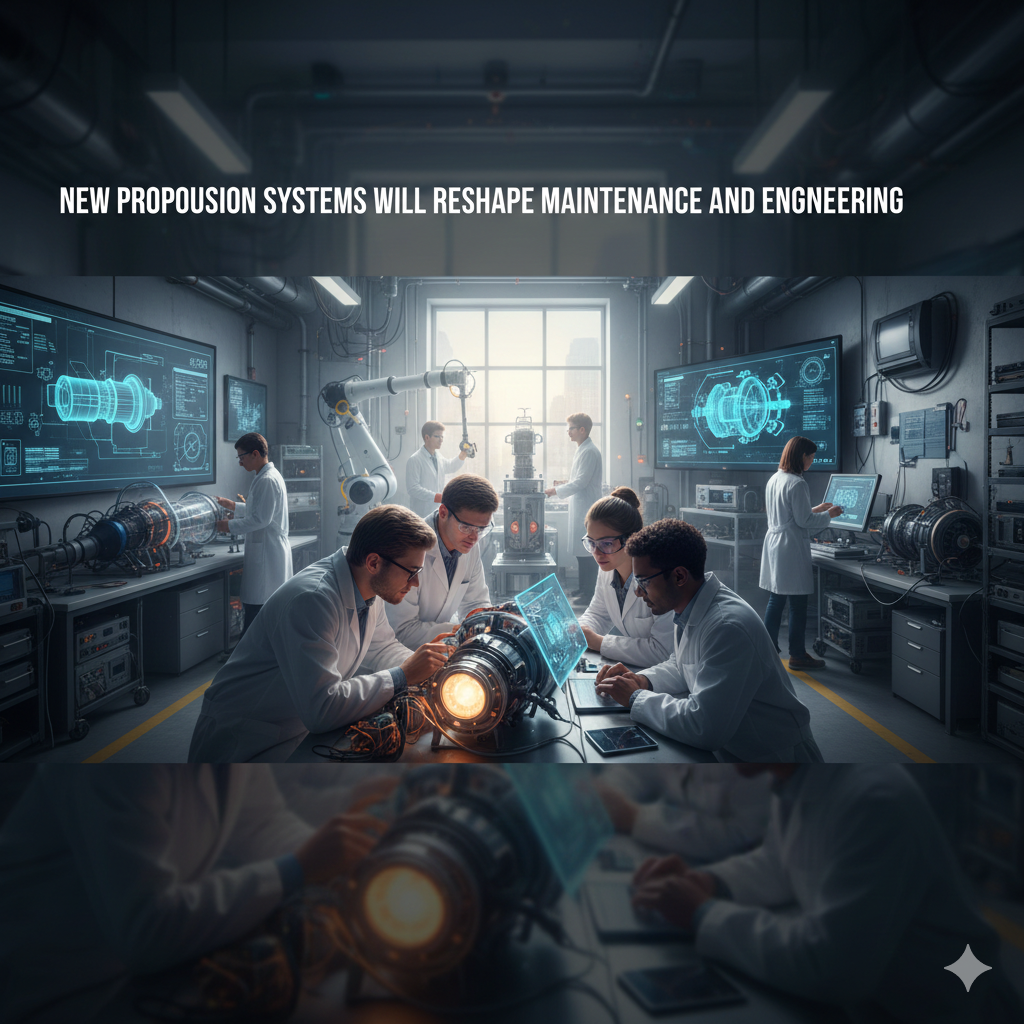
Aerospace is stepping into a renaissance—one of those rare moments in history when multiple breakthroughs converge and reshape an entire industry. The next two decades will bring changes so profound that the aircraft, spacecraft, and systems we use today will look primitive by comparison. For anyone considering a future in this field, the horizon has never been brighter.
Electric and hybrid aircraft are leading the charge. Engineers and technicians are already working on propulsion systems that replace traditional engines with cleaner, quieter alternatives. These aircraft won’t just reduce emissions—they’ll change how maintenance is performed, how airports operate, and how pilots manage flight. The shift is as significant as the leap from propellers to jets, and it’s opening doors for people who want to work at the intersection of sustainability and innovation.
Autonomous flight is accelerating just as quickly. Drones are becoming more capable, air taxis are moving from prototypes to pilot programs, and AI‑driven systems are taking on tasks once reserved for human operators. This isn’t about replacing people—it’s about expanding what’s possible. New roles are emerging in autonomy engineering, mission management, remote operations, and regulatory development. The skies of the future will be more crowded, more complex, and more intelligent than ever before, and the industry needs people ready to shape that evolution.
Space is undergoing its own transformation. What was once the exclusive domain of government agencies has become a thriving commercial frontier. Companies are building spacecraft for lunar missions, designing habitats for future explorers, and planning ventures that reach far beyond Earth’s orbit. Space tourism is inching closer to mainstream reality. Asteroid mining and Mars exploration are no longer distant dreams—they’re long‑term strategies. For those drawn to the cosmos, the opportunities are expanding faster than rockets can launch.
Sustainable aviation is another force reshaping the industry. Airlines and manufacturers are investing heavily in biofuels, hydrogen propulsion, and carbon‑neutral operations. Airports are adopting greener infrastructure. Researchers are developing materials and aerodynamic designs that reduce drag and fuel burn. This push toward sustainability is not optional—it’s essential. And it’s creating a wave of new roles for people who want to help aviation evolve responsibly.
Hypersonic travel adds yet another layer of excitement. Aircraft capable of flying at Mach 5 and beyond are being developed for both defense and commercial use. Imagine crossing oceans in under two hours or responding to global emergencies with unprecedented speed. Hypersonics demand expertise in materials science, thermal protection, advanced propulsion, and high‑speed aerodynamics. It’s one of the most technically challenging areas of aerospace, and one of the most thrilling.
Digital aviation is transforming the industry from the inside out. Data analytics, digital twins, and predictive maintenance are becoming standard tools. Aircraft will soon be able to diagnose their own issues, optimize performance in real time, and communicate seamlessly with ground systems. This digital shift is creating opportunities for analysts, software developers, systems engineers, and IT specialists who want to blend technology with aviation.
And through all of this innovation, one reality stands out: the industry needs people. Workforce shortages are growing across nearly every specialty—pilots, mechanics, engineers, controllers, technicians, planners, and operators. Retirements, rapid expansion, and new technologies have created a demand that will take decades to fill. For anyone entering the field, this means stability, mobility, and long‑term opportunity.
Aerospace isn’t just evolving—it’s expanding. It’s becoming more diverse, more creative, and more accessible. Whether you want to fly aircraft, design spacecraft, maintain engines, manage airports, or explore the frontiers of science, there is a place for you. A place where your work will matter. A place where you can help shape the future.
This guide gives you the full landscape—but your next step is choosing your path. The industry is ready for new thinkers, new builders, and new explorers. The future of aerospace will be written by the people who step forward now.
And if you choose to be one of them, you won’t just be starting a career. You’ll be joining a movement—one that will define the next era of human progress.
FAQ’s
What careers fall under the aerospace industry?
Aerospace includes engineering, manufacturing, flight operations, space systems, defense programs, research labs, maintenance, and emerging commercial‑space roles.
What degrees or training do I need for an aerospace career?
Most technical roles require engineering or STEM degrees, while manufacturing, maintenance, and operations roles may follow trade‑school, A&P, or military pathways.
Is aerospace a good career for beginners or career‑switchers?
Yes. The industry offers entry points ranging from technician apprenticeships to engineering internships, plus structured pathways through defense contractors and federal service.
How much do aerospace careers pay?
Compensation varies widely: technicians often start in the $50–70k range, engineers in the $80–120k range, and specialized defense/space roles can exceed $150k+.
What is the difference between aviation and aerospace careers?
Aviation focuses on aircraft operations and support; aerospace expands into spacecraft, satellites, propulsion systems, defense platforms, and advanced research.
What companies hire for aerospace careers?
Major employers include NASA, SpaceX, Blue Origin, Lockheed Martin, Boeing, Northrop Grumman, Raytheon, and hundreds of Tier‑2/Tier‑3 suppliers.
How competitive is the aerospace job market?
Engineering and space‑systems roles are highly competitive, while manufacturing, technician, and defense‑support roles offer broader access and steady hiring cycles.
What skills are most valuable in aerospace careers?
STEM fundamentals, systems thinking, CAD proficiency, programming, materials science, avionics, quality assurance, and familiarity with FAA/DoD/NASA standards.
Are there aerospace careers that don’t require a degree?
Yes. Technicians, assemblers, inspectors, machinists, composites specialists, and many manufacturing roles rely on certifications, apprenticeships, or trade‑school training.
What is the long‑term outlook for aerospace careers?
Strong. Growth is driven by commercial spaceflight, satellite expansion, defense modernization, autonomous systems, and next‑generation propulsion technologies.


