A&P Mechanics Career Guide
The Ultimate 2026–2036 Guide to Becoming an Airframe & Powerplant Technician
An A&P Mechanics Career is one of the most stable, respected, and in-demand technical professions in aviation. If you are considering becoming an Airframe and Powerplant (A&P) technician, this pillar guide will walk you through eligibility, training pathways, certification, salary expectations, lifestyle realities, and long-term advancement opportunities from 2025 through 2035.
What Is an A&P Mechanics Career?
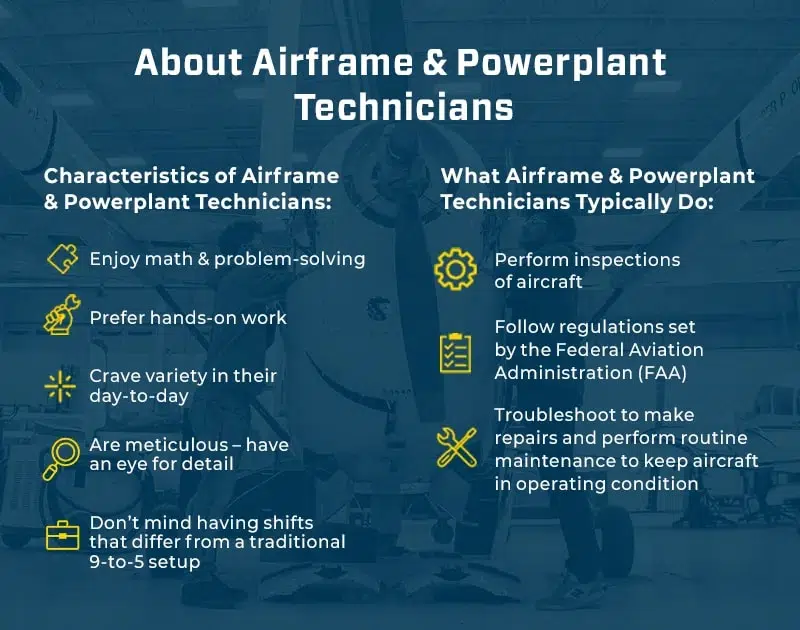
An A&P mechanic is a federally certificated aviation maintenance professional authorized by the Federal Aviation Administration (FAA) under 14 CFR Part 65 to inspect, repair, maintain, and return aircraft to service.
The certificate includes two ratings:
A&P Mechanics Career Guide: Airframe Rating
Authorizes maintenance on:
- Fuselage and structure
- Wings and control surfaces
- Landing gear and hydraulics
- Electrical systems and cabin environmental systems
A&P Mechanics Career Guide: Powerplant Rating
Authorizes maintenance on:
- Piston engines
- Turbine engines
- Fuel and ignition systems
- Propellers
Together, these ratings form the foundation of a complete A&P Mechanics Career, allowing you to work across commercial airlines, corporate aviation, MRO facilities, general aviation shops, and government operators.
A&P Mechanics Career Guide: Why A&P’s are in High Demand (2026–2036 Outlook)
The aviation maintenance sector is facing a historic technician shortage driven by:
- Large-scale retirements
- Fleet expansion worldwide
- Increasing aircraft complexity
- Growth in business aviation and cargo operations
Modern aircraft are essentially flying data centers. Glass cockpits, composite structures, digital engine controls, and advanced avionics require technicians who understand both mechanical systems and digital diagnostics.
An A&P Mechanics Career today offers:
- Strong starting salaries
- Rapid hiring pipelines
- Overtime opportunities
- Union protection at major airlines
- Clear advancement paths
Eligibility Requirements (14 CFR Part 65)
To begin an A&P Mechanics Career, you must:
- Be at least 18 years old
- Read, write, and speak English
- Meet experience requirements (school or OJT)
- Pass FAA written, oral, and practical exams
U.S. citizenship is not required, but you must demonstrate the certificate is needed for maintaining U.S.-registered aircraft.
Three Pathways to an A&P Mechanics Career

1. FAA-Approved Part 147 School (Most Common Route)
Under 14 CFR Part 147, Aviation Maintenance Technician (AMT) schools provide structured training.
Program Structure
- General (basic electricity, physics, regulations)
- Airframe
- Powerplant
Duration
14–24 months
Cost
$10,000 – $50,000 depending on institution
Advantages
- Highest completion success rate
- Structured curriculum
- Industry hiring pipelines
Best for career changers and students wanting a direct path.
2. On-the-Job Training (OJT)
The FAA allows certification through documented experience:
- 18 months for single rating
- 30 months for combined A&P
You must log supervised experience and interview with your local FAA FSDO to receive authorization to test.
Best for hands-on learners who want to earn while they train.
3. Military Transition Path
The U.S. military is one of the largest aviation maintenance training systems in the world.
Programs such as the Joint Service Aviation Maintenance Technician Certification Council (JSAMTCC) allow service members to convert military experience into FAA authorization.
Many veterans attend short “A&P finishing schools” to prepare for civilian testing requirements.
FAA Testing Process
To launch your A&P Mechanics Career, you must pass:
1. Written Knowledge Tests
- Aviation Mechanic General
- Airframe
- Powerplant
Minimum passing score: 70%
2. Oral & Practical (O&P) Exam
Conducted by a Designated Mechanic Examiner (DME).
Includes:
- Regulatory questions
- System troubleshooting
- Hands-on projects
- Proper use of maintenance data
The O&P is a comprehensive demonstration of both knowledge and professional judgment.
Want to start preparing for the written tests?

The Aviation Maintenance Technician Handbook–Powerplant (FAA-H-8083-32B) is one of a series of three handbooks for persons preparing for certification as a powerplant mechanic. It is intended that this handbook provide the basic information on principles, fundamentals, and technical procedures in the subject matter areas relating to the powerplant rating. It is designed to aid AMT students enrolled in a formal course of instruction, as well as the individual who is studying on his or her own. Since the knowledge requirements for the airframe and powerplant ratings closely parallel each other in some subject areas, the chapters which discuss fire protection systems and electrical systems contain some material which is also duplicated in the Aviation Maintenance Technician Handbook–Airframe (FAA-H-8083-31B).
Other titles you might be interested in:
Aviation Maintenance Technician Handbook – Airframe (Volume 1/2): FAA-H-8083-31B
Day-in-the-Life: Career Environment Options
Major Airline Line Maintenance

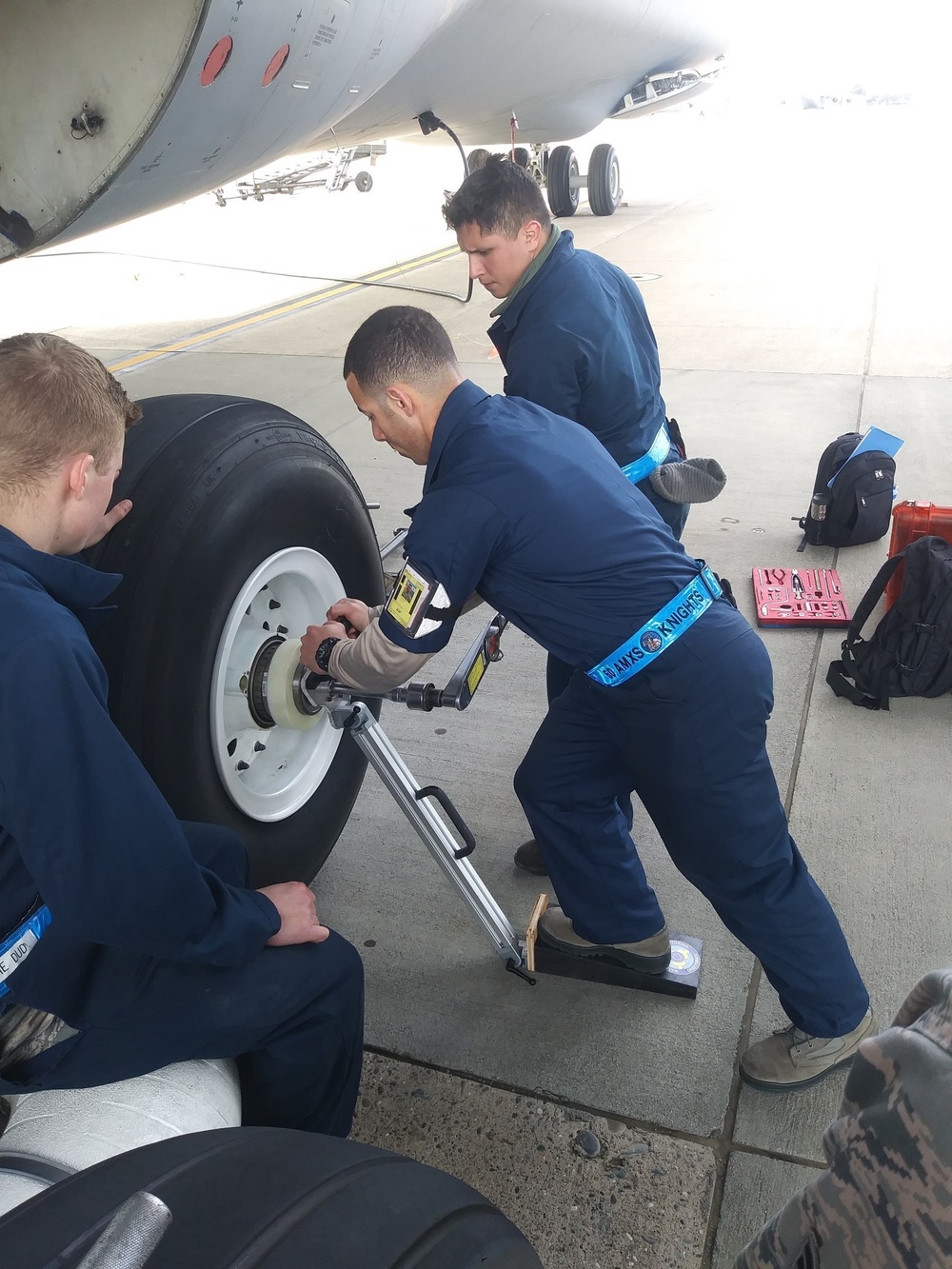
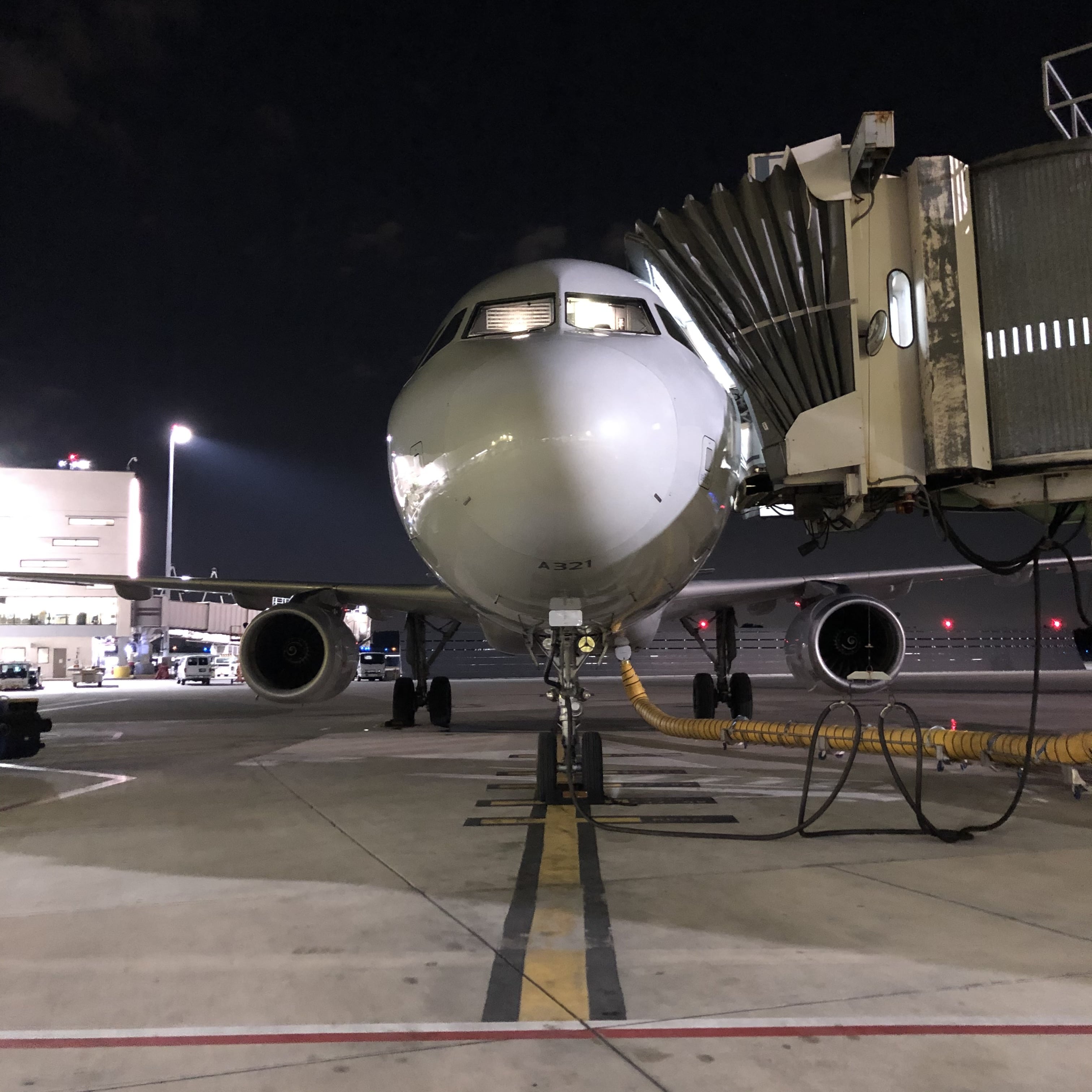
- Fast-paced gate troubleshooting
- Shift work (nights/weekends early career)
- Strong union pay scales
- Specialization common
Starting salary: $65,000–$85,000+
Corporate / Business Aviation


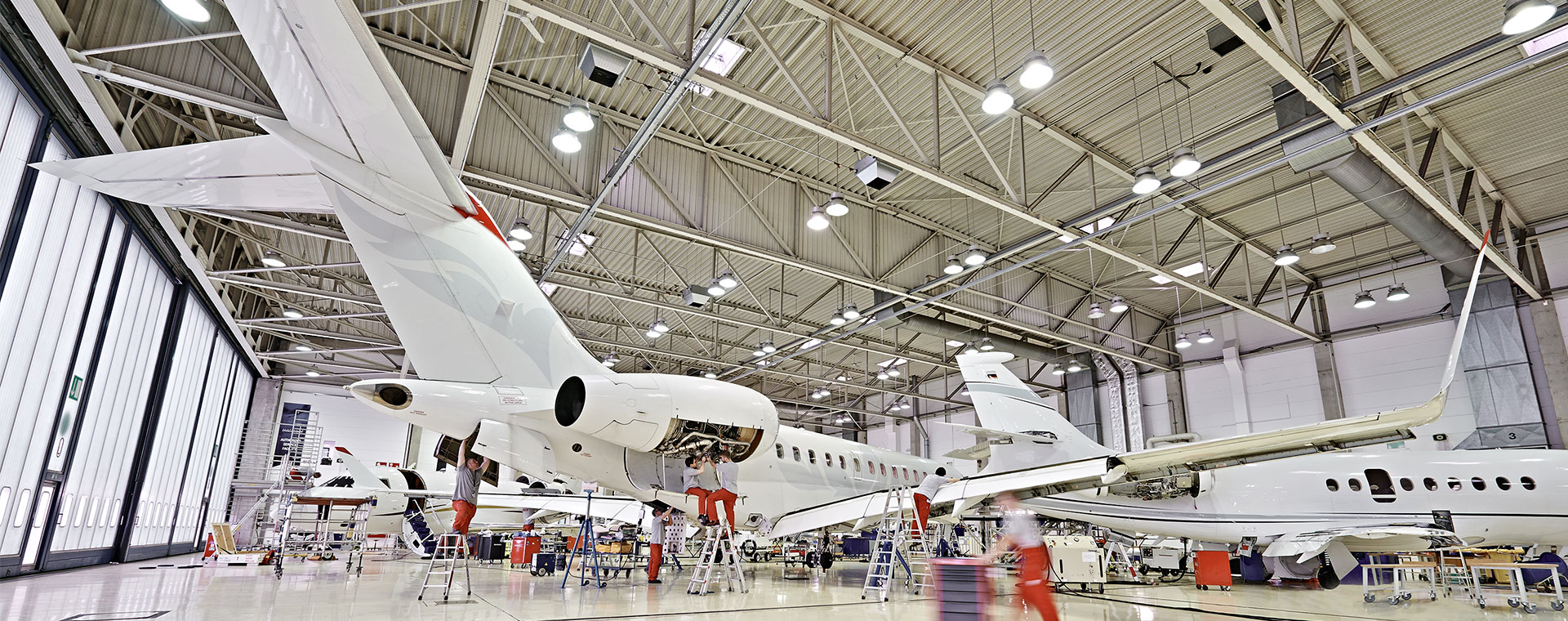
- Clean, professional environment
- Direct interaction with owners/executives
- Broad system exposure
- High-end avionics and cabin systems
Starting salary: $55,000–$75,000+
MRO (Maintenance, Repair & Overhaul)


- Deep inspections and C-checks
- Structural repair mastery
- Best skill-building environment
- Industrial atmosphere
Starting salary: $45,000–$60,000+
Salary Outlook for an A&P Mechanics Career (2026 Averages)
| Sector | Entry-Level Salary |
|---|---|
| Major Airlines | $65K–$85K |
| Regional Airlines | $45K–$58K |
| Corporate Aviation | $55K–$75K |
| MRO Facilities | $45K–$55K |
| General Aviation | $40K–$52K |
Hourly starting rates in high-demand markets: $32–$38/hr
With experience, top technicians exceed $100,000 annually with overtime.
Professional Advancement in an A&P Mechanics Career
Inspection Authorization (IA)
After 3 years of experience, you may test for IA.
Allows you to sign off annual inspections and major repairs.
Often adds $10K–$15K in earning potential.
Director of Maintenance (DOM)
Senior leadership role overseeing fleets and regulatory compliance.
Typical salary range: $120K–$200K+ depending on operation size.
Regulatory Reality: Living by the CFR
A successful A&P Mechanics Career requires deep regulatory literacy.
Key regulations include:
- 14 CFR Part 43 (Maintenance Standards)
- 14 CFR Part 65 (Certification)
- 14 CFR Part 91 (Inspection requirements)
- Airworthiness Directives (ADs)
When you sign a logbook entry, you are certifying legal airworthiness under federal law.
Security, Drug Testing & Background Requirements for Airport Ramp Access
If you intend to work on a commercial airport ramp—whether as an A&P mechanic, ground handler, fueler, or support technician—you are entering a federally regulated security environment. Commercial airports operate inside a layered security framework governed by TSA and DOT regulations. Access is earned, not assumed.
At the center of this system is the Security Identification Display Area (SIDA) badge. This credential authorizes unescorted access to secure areas such as aircraft parking ramps, hangars, cargo facilities, and movement areas. Without it, you cannot legally work in those environments.
TSA Security Vetting
The SIDA badging process begins with identity verification and employer sponsorship. From there, several federal screenings occur:
1. FBI Fingerprint-Based Criminal History Records Check (CHRC)
Applicants submit fingerprints that are processed through FBI databases. This biometric search identifies criminal convictions nationwide. It is far more comprehensive than a local background check.
2. Security Threat Assessment (STA)
Conducted under TSA authority, the STA evaluates whether an individual poses a risk to transportation security. This includes watchlist checks, immigration status verification, and national security database screening.
3. Disqualifying Crimes Review (49 CFR 1542.209)
Federal regulation specifies crimes that can disqualify an applicant from receiving unescorted access. These include terrorism, espionage, aircraft piracy, certain weapons offenses, drug trafficking, arson, and specific felony theft or violent crimes.
Some offenses trigger lifetime disqualification. Others apply within a defined look-back period, typically ten years from conviction or release. Airport badging offices apply this regulation uniformly in coordination with TSA guidance.
DOT Drug & Alcohol Testing Requirements
Security clearance alone is not sufficient. Many ramp positions—especially maintenance and safety-sensitive roles—fall under DOT drug and alcohol testing regulations (49 CFR Part 40 and Part 120).
If you are performing safety-sensitive maintenance on aircraft operated under Part 121 or 135, you will be enrolled in a federally mandated testing program. This includes:
- Pre-employment drug testing (must be negative before performing safety-sensitive work)
- Random drug and alcohol testing
- Reasonable suspicion testing
- Post-accident testing
- Return-to-duty and follow-up testing (if applicable)
Substances screened include marijuana, cocaine, amphetamines, opioids, and PCP. Refusal to test is treated the same as a positive result. Violations can remove you from safety-sensitive duties and require evaluation by a Substance Abuse Professional (SAP) before potential reinstatement.
Aviation operates on a zero-compromise safety culture. Impairment—real or perceived—is incompatible with aircraft maintenance responsibilities.
National Driver Register (NDR) Checks
For roles requiring operation of company vehicles, fuel trucks, tugs, or ground service equipment, employers frequently conduct a National Driver Register (NDR) check.
The NDR identifies individuals whose driving privileges have been revoked, suspended, or restricted for serious traffic violations such as DUI. Even if the position does not require a Commercial Driver’s License (CDL), a poor driving record can disqualify candidates for ramp employment due to operational liability concerns.
The Critical Factor: Honesty
Across all these screenings—criminal history, drug testing, and driving record—honesty is non-negotiable. Falsification on an application, omission of prior convictions, or misrepresentation of past violations is often more disqualifying than the offense itself.
Aviation is built on trust, compliance, and accountability. Mechanics sign logbooks certifying airworthiness. Ramp personnel operate around multimillion-dollar aircraft and hundreds of passengers. Integrity is part of the qualification standard.
The Bottom Line
Technical skill may open the door to an A&P mechanics career, but regulatory clearance allows you to step onto the ramp. TSA vetting, DOT drug testing compliance, and driving record reviews are foundational requirements—not administrative formalities.
If you are serious about working in commercial aviation, treat your background, your record, and your personal conduct as part of your professional credentials. In this industry, character is operational.
Tool Investment: What It Really Costs
One of the least discussed—but most operationally significant—aspects of pursuing an A&P mechanics career is personal tool investment. Unlike many other professions where employers provide the majority of equipment, aviation maintenance operates on a hybrid model. Employers supply large specialty tooling, calibrated equipment, and aircraft-specific fixtures, but the everyday hand tools that mechanics rely on are typically personal responsibility.
This reality catches many new entrants off guard. Graduates from FAA-approved schools or military transition programs often focus heavily on certification costs, training timelines, and licensing exams, yet underestimate the financial commitment required to build a professional tool inventory. In practice, your toolbox becomes an extension of your technical identity—mobility, efficiency, and task performance all hinge on what you own and how you manage it.
At the entry level, new A&P technicians can expect an initial investment in the range of $2,500 to $4,500. This foundational setup includes core hand tools: combination wrenches, socket sets (standard and deep well), ratchets, torque wrenches, safety wire pliers, screwdrivers, Allen keys, inspection mirrors, flashlights, and precision measuring devices. While this starter kit enables basic line maintenance and light inspection work, it is only the beginning.
As mechanics progress into more advanced roles—heavy maintenance, avionics integration support, sheet metal work, powerplant teardown, or corporate aviation—the tool requirements expand dramatically. Specialized tools such as micrometers, dial indicators, borescopes, specialty crimpers, rivet guns, precision torque equipment, and aircraft-specific adapters become necessary. At this stage, a professional-level setup can range from $15,000 to $30,000 or more.
This escalation is not driven by luxury—it is driven by operational necessity. Aircraft maintenance demands precision to thousandths of an inch, calibrated torque values, and exact compliance with manufacturer maintenance manuals. The wrong tool, or an improvised substitute, is unacceptable in a regulated environment where safety margins are engineered, not guessed.
Beyond cost, there is another dimension that defines aviation tooling culture: tool control. Every certificated repair station, airline maintenance base, and corporate hangar operates under strict Foreign Object Debris (FOD) prevention protocols. Tools are shadowed, etched, serialized, and inventoried. Foam cutouts inside toolboxes create visual accountability—if a tool is missing, the absence is immediately visible.
This is not procedural theater. A single misplaced socket, screw, or safety wire fragment left inside an aircraft structure or engine nacelle can cause catastrophic damage. For that reason, missing tools trigger immediate operational response. Work stops. Tool inventories begin. Aircraft panels may be reopened. In some cases, flights are delayed or grounded entirely until the tool is located and accounted for.
From a financial perspective, this means mechanics are not only investing in tools—they are assuming custodial responsibility for flight safety. Professional pride is tied directly to tool discipline. Clean boxes, calibrated equipment, and documented inventories are marks of a serious technician.
Over time, most A&P mechanics build their tool collections incrementally. Payroll deduction programs, tool truck financing, and staged purchasing are common pathways. Senior technicians often advise new entrants to “buy quality once” rather than replace inferior tools repeatedly.
In the broader view, tool investment should be understood as career infrastructure. Just as pilots invest in flight training and type ratings, mechanics invest in the equipment that allows them to perform certificated work. It is a tangible commitment to the profession.
When you roll your toolbox onto the hangar floor for the first time, you are not just bringing tools—you are bringing capability, accountability, and readiness to maintain the machines that keep aviation moving safely.
Lifestyle Considerations
Before committing to an A&P Mechanics Career, understand:
- 24/7 industry — shift work common
- Physically demanding environment
- Outdoor ramp exposure
- Occasional AOG travel
- High personal responsibility
This is precision work where integrity matters more than speed.
Frequently Asked Questions About an A&P Mechanics Career
Can I get my A&P with a criminal record?
Possibly. It depends on offense type and timing, especially for SIDA access.
Do I need avionics certification?
Not required, but NCATT AET significantly increases earning potential.
Can I work internationally?
Yes. FAA A&P is globally respected, especially in business aviation.
How long does the process take?
14–30 months depending on pathway.
Final Thoughts: Is an A&P Mechanics Career Worth It?
An A&P Mechanics Career is not glamorous. It is technical, demanding, and regulated. But it is also stable, respected, and increasingly valuable.
From 2026 through 2036, aviation maintenance will remain one of the most secure technical professions in aerospace. If you value skill, responsibility, and tangible impact on safety, this career path offers long-term opportunity with upward mobility.
The aircraft cannot fly without you.
And in this industry, that matters.
OTHER SUGGESTED CAREER GUIDES