AVIATION JOBS GUIDE
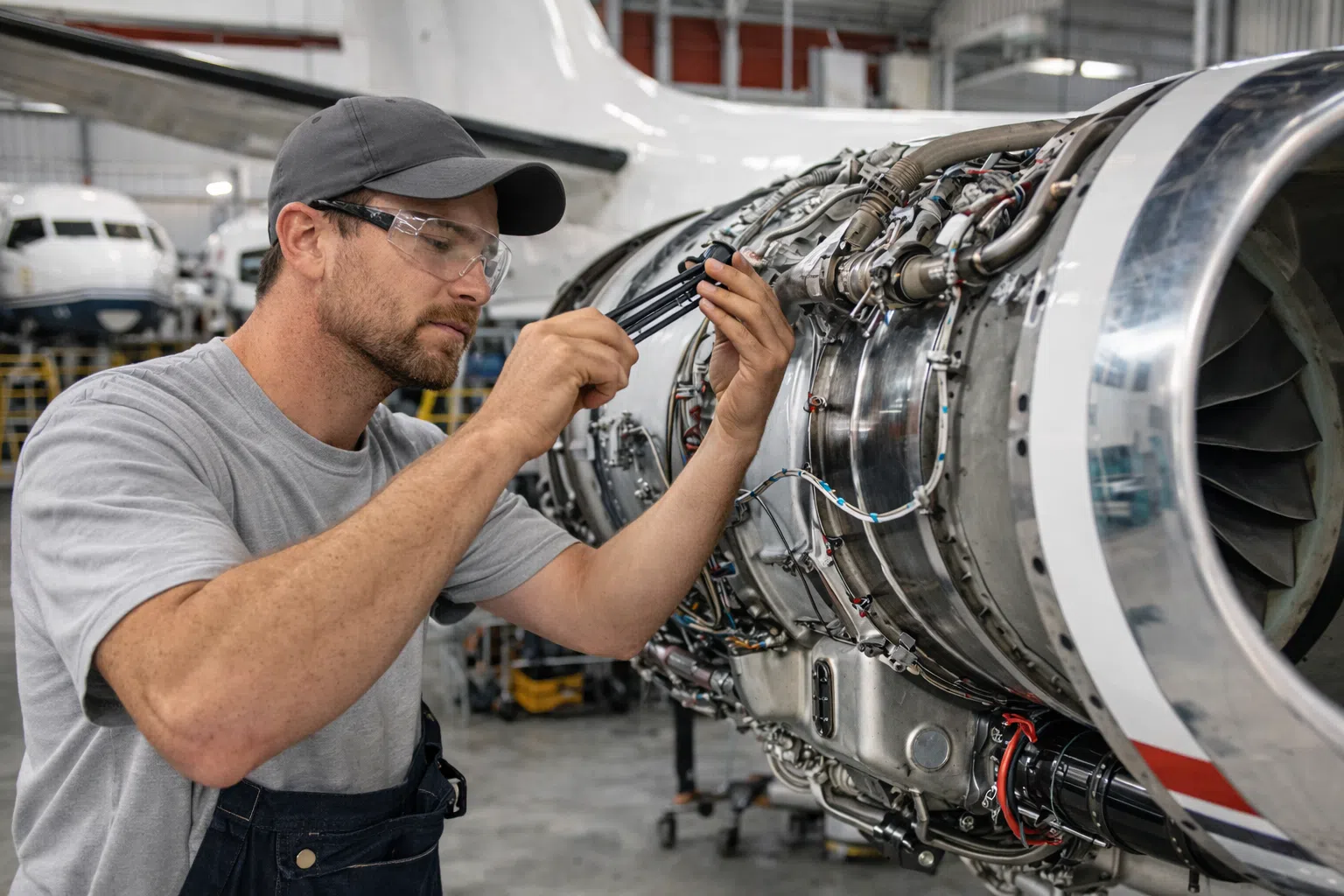
Part 147 Schools: How to Choose the Right AMT Program
Part 147 schools are the backbone of aviation maintenance training in the United States, and choosing the right Aviation Maintenance Technician (AMT) program can shape your entire career. The best choice depends on how you learn, what kind of aviation work you want to do, and how quickly you want to enter the workforce. This guide breaks down what Part 147 schools are, what matters when comparing programs, and how to make a confident, informed decision.
What Part 147 Schools Are and Why They Matter
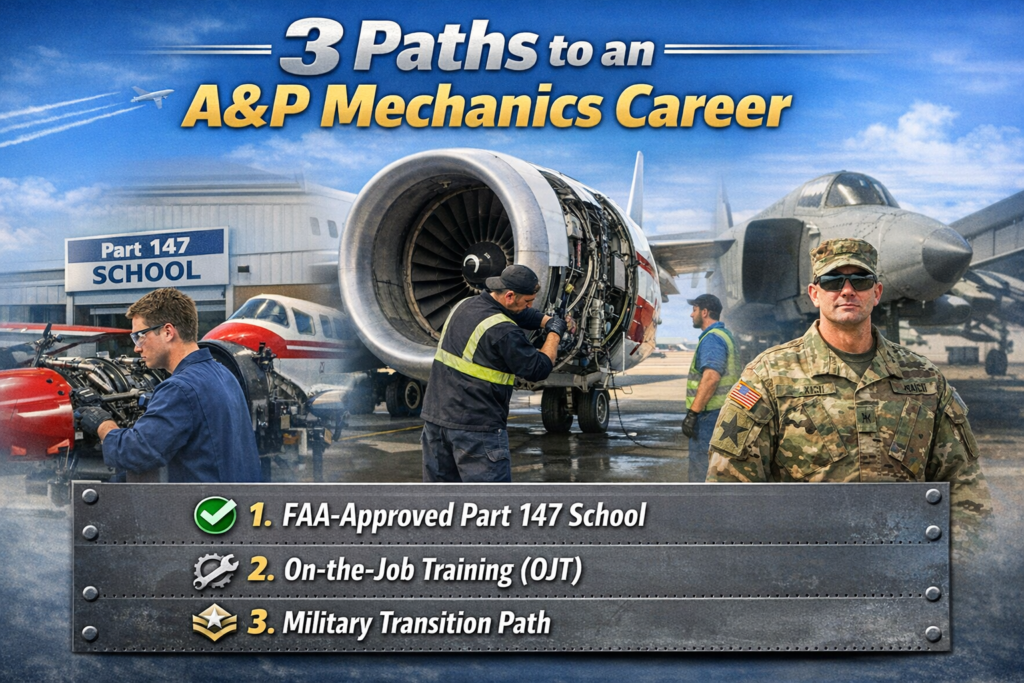
Part 147 schools are FAA‑certified institutions authorized to train and prepare students for the Airframe & Powerplant (A&P) certification exams. Because the FAA regulates curriculum, facilities, instructor qualifications, and training hours, these programs offer a standardized foundation in aircraft systems, maintenance practices, and aviation safety.
A strong Part 147 program gives you:
- A direct path to A&P certification
- Hands‑on experience with real aircraft and equipment
- Industry‑recognized training that employers trust
- A structured curriculum aligned with FAA requirements
Even though all Part 147 schools follow the same FAA standards, the student experience can vary widely. That’s why choosing the right one matters.
What to Look for When Comparing Part 147 Schools
🛠️ Hands‑On Training Environment
The quality of the training environment is one of the biggest differentiators between programs. Look for:
- Access to operational aircraft or large training mockups
- Modern tools and diagnostic equipment
- Well‑maintained labs and hangars
- Opportunities to work on diverse airframes
The more real-world exposure you get, the more confident you’ll be when you enter the workforce.
🎓 Program Length and Schedule Options
Part 147 schools offer a range of formats:
- Full‑time programs (12–24 months)
- Part‑time or evening programs for working adults
- Accelerated programs for fast entry into the field
If you’re balancing work or family responsibilities, schedule flexibility can be a deciding factor.
💼 Job Placement and Industry Partnerships
A strong Part 147 school doesn’t just train you—it helps launch your career. Evaluate:
- Job placement rates
- Partnerships with airlines, MROs, and manufacturers
- On‑campus recruiting events
- Internship or apprenticeship opportunities
Programs with strong industry ties often lead to faster job offers and higher starting pay.
👨🏫 Instructor Experience
Instructors with real-world aviation backgrounds bring invaluable insight. Ask about:
- Their experience in commercial, military, or general aviation
- Their certifications and specialties
- How accessible they are for tutoring or extra help
Great instructors can make complex systems easier to understand and help you build confidence.
💰 Tuition, Financial Aid, and Total Cost
Costs vary significantly between Part 147 schools. Consider:
- Tuition and fees
- Tool costs (some schools include toolkits)
- Financial aid availability
- GI Bill® or veteran benefits
- Scholarship opportunities
A higher price doesn’t always mean better training, but extremely low tuition can signal limited resources.
📍 Location and Campus Resources
Your learning environment affects your success. Look for:
- Proximity to airports or aviation hubs
- Housing or transportation options
- Student support services
- Campus safety and culture
If relocation is required, factor in cost of living and job opportunities in the area.
How to Evaluate Whether a Part 147 School Fits Your Goals
Different students have different priorities. Think about what matters most to you:
- Speed to employment: Choose an accelerated or full‑time program with strong job placement.
- Career specialization: Look for schools with electives or advanced training in avionics, composites, or turbine engines.
- Long‑term career growth: Programs with strong industry partnerships can open doors to major airlines or manufacturers.
- Work‑life balance: Evening or part‑time programs may be the best fit.
Visiting campuses, talking to current students, and asking employers which schools they trust can help you make a confident decision.
Questions to Ask During a School Visit
- What percentage of graduates pass the A&P exams on the first try?
- What types of aircraft and equipment will I train on?
- How many hours of hands‑on training are included?
- What companies hire your graduates?
- Are tools included in tuition?
- What support is available if I struggle with coursework?
The answers will quickly reveal whether a program is well‑run and student‑focused.
Choosing the Right Part 147 School
The right Part 147 school is the one that aligns with your goals, learning style, and career ambitions. While all FAA‑certified programs meet the same regulatory standards, the best schools go beyond the minimum—offering modern facilities, experienced instructors, strong employer connections, and a supportive learning environment.