AVIATION JOBS GUIDE

Aircraft Maintenance Career in 2026: An Amazing Choice?

An aircraft maintenance career is a reliable and rewarding path in the aviation industry. For people who enjoy hands‑on technical work, problem‑solving, and contributing to aviation safety, this field offers long‑term stability, strong earning potential, and opportunities for advancement. Whether you’re just starting or considering a transition into aviation, understanding this career involves can help you decide if it’s the right fit.

What Makes an Aircraft Maintenance Career Appealing
A High‑Skill, High‑Responsibility Profession
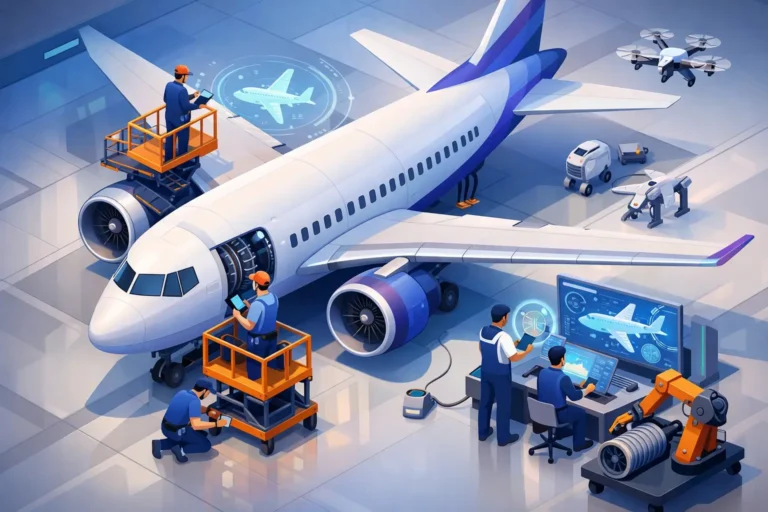
An aircraft maintenance career centers on inspecting, repairing, and maintaining aircraft to meet strict safety standards. Technicians work on engines, electrical systems, hydraulics, avionics, and structural components. Every task matters, and attention to detail is essential. If you enjoy understanding how complex machines work and want a job where your skills directly impact safety, this field offers meaningful, purpose‑driven work.
Growing Demand for Skilled Technicians
One of the strongest reasons to pursue this career is the increasing demand for certified technicians. Airlines, private aviation companies, cargo carriers, and government agencies all rely on maintenance professionals. As the aviation industry expands and older technicians retire, job opportunities continue to rise. This demand creates excellent job security and makes it easier for new technicians to enter the field.
Salary and Benefits in an Aircraft Maintenance Career
Competitive Pay and Advancement Potential
A major advantage of an aircraft maintenance career is the earning potential. Technicians often enjoy:
- Strong starting wages
- Overtime opportunities
- Shift differentials
- Comprehensive benefits
- Travel perks (depending on employer)
As you gain experience and earn additional certifications—such as avionics or inspection authorization—your salary can increase significantly.
Training and Education Requirements
A Faster Path Into the Workforce
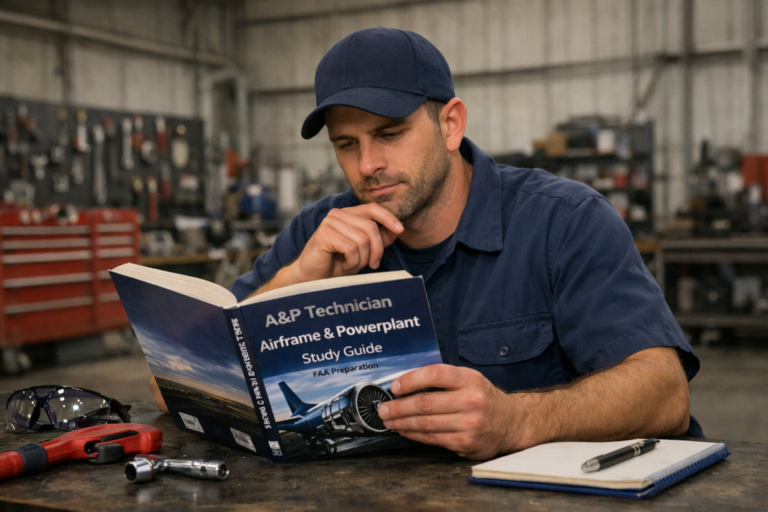
Unlike many technical careers that require a four‑year degree, an aircraft maintenance career offers a more direct route. Most technicians attend an FAA‑approved aviation maintenance school, which typically takes 18–24 months. After completing the program, students can test for their Airframe and Powerplant (A&P) certifications. This streamlined path allows you to start earning sooner and avoid the heavy student debt associated with traditional college degrees.
Career Opportunities in Aircraft Maintenance
A Wide Range of Work Environments
An aircraft maintenance career offers flexibility and variety. You can work in:
- Commercial airlines
- Private jet companies
- Helicopter operations
- Military and defense sectors
- Aircraft manufacturing
- Maintenance, repair, and overhaul (MRO) facilities
These options allow you to choose the environment that best fits your interests and lifestyle.
Global Mobility
Skills are recognized worldwide. With experience and certification, you can work in different states, countries, or even on international contracts. This makes this career ideal for people who want mobility and global opportunities.
Is an Aircraft Maintenance Career Challenging?
Physical and Mental Demands
While rewarding, an aircraft maintenance career does come with challenges:
- Irregular hours, including nights and weekends
- Physical work such as climbing, lifting, and working in tight spaces
- Exposure to weather conditions
- High responsibility and strict safety requirements
These challenges are manageable for most people, but they’re important to understand before entering the field.
Long‑Term Growth and Advancement
Clear Paths for Career Progression
One of the biggest advantages of an aircraft maintenance career is the potential for advancement. With experience, technicians can move into roles such as:
- Lead mechanic
- Avionics specialist
- Quality assurance inspector
- Maintenance supervisor or manager
- Technical trainer
- Engineering support roles
Your career growth is often based on skill, experience, and certification—not just formal degrees.
Is an Aircraft Maintenance Career Right for You?
If you enjoy technical work, value job stability, and want a career with strong earning potential and global opportunities, this career is an excellent choice. It offers meaningful work, long‑term growth, and the chance to be part of one of the world’s most important industries.
What does an aircraft maintenance technician do?
An aircraft maintenance technician inspects, repairs, and maintains aircraft systems to ensure they meet strict safety and performance standards. Their work includes troubleshooting mechanical issues, performing scheduled maintenance, and documenting all repairs.
How long does it take to start an aircraft maintenance career?
Most people complete an FAA‑approved aviation maintenance program in 18–24 months. After training, they can take the Airframe and Powerplant (A&P) exams and begin working shortly after becoming certified.
Is an aircraft maintenance career financially rewarding?
Yes. Aircraft maintenance technicians typically earn competitive wages, with opportunities for overtime, shift differentials, and higher pay as they gain experience or specialize in areas like avionics or inspections.
Are aircraft maintenance jobs in high demand?
Absolutely. The aviation industry continues to grow, and many experienced technicians are retiring. This creates strong demand for new A&P‑certified technicians across airlines, MRO facilities, private aviation, and military contractors.
What skills are important for success in an aircraft maintenance career?
Successful technicians have strong attention to detail, mechanical aptitude, problem‑solving skills, and the ability to work safely under pressure. Physical stamina and a willingness to learn new technology are also important.