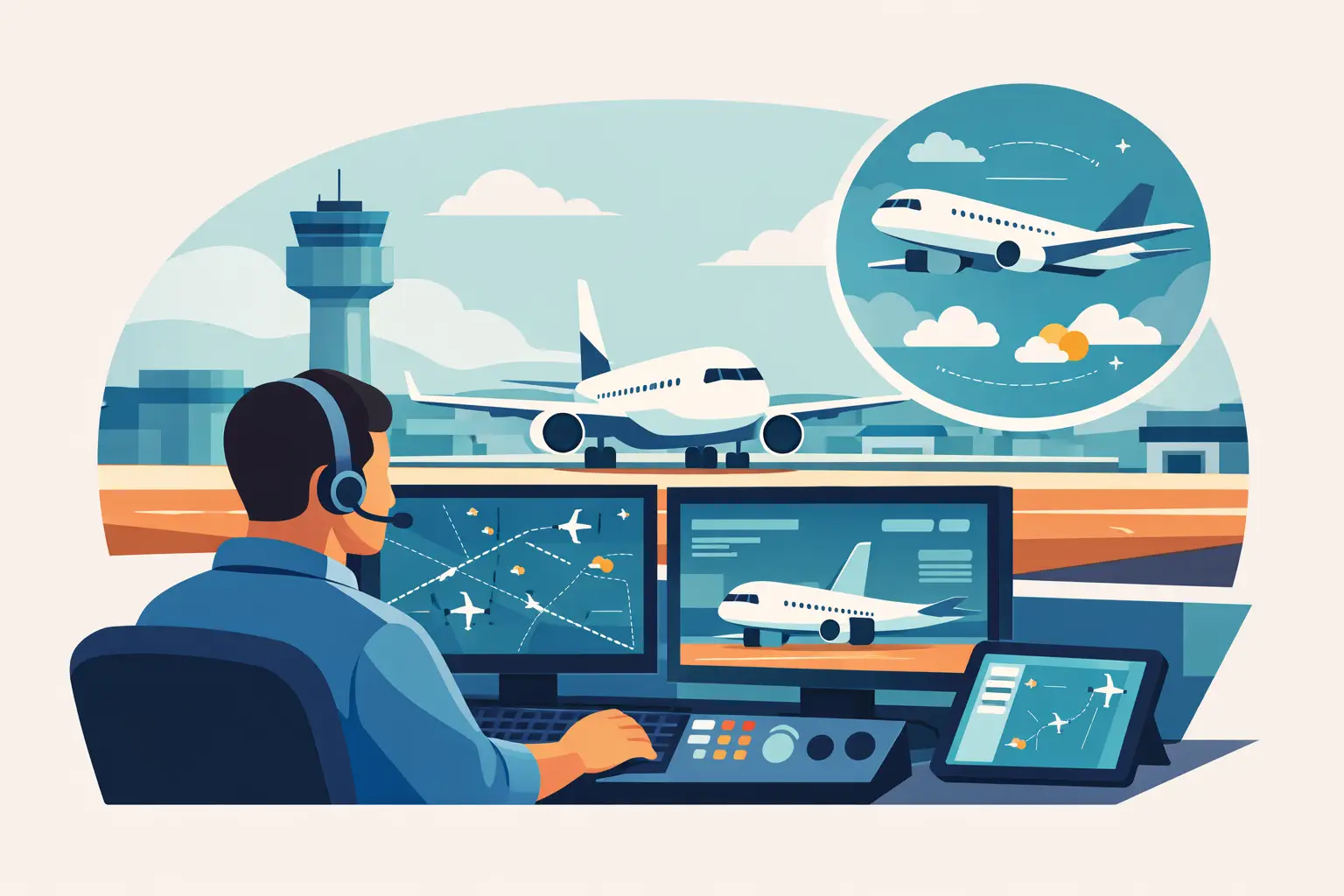

A delayed flight rarely comes down to just one problem. Weather shifts, fuel planning changes, maintenance limits appear, and crew legality can tighten faster than most passengers realize. That is where the aircraft dispatcher job description starts to make sense. This role sits at the center of airline operations, combining safety oversight, flight planning, regulatory compliance, and fast decision-making before and during a flight.
For people exploring aviation careers, dispatch can be appealing because it offers real operational responsibility without becoming a pilot or mechanic. It is also one of the more structured airline career paths, with a clear certification route in the United States. But the job is not simply “planning flights.” A dispatcher shares legal responsibility for a flight’s release with the captain in many airline operations, which makes the position both technical and high stakes.
What is an aircraft dispatcher job description?
An aircraft dispatcher job description usually outlines a ground-based airline operations role responsible for planning, authorizing, monitoring, and supporting flights. Dispatchers create flight releases, review weather, calculate fuel needs, evaluate route options, confirm aircraft performance limits, and coordinate with pilots, maintenance, and operations control teams.
At a regional or major airline, the job is often based in a system operations control center. From there, dispatchers may oversee multiple flights at once, depending on company procedures, flight complexity, and operational conditions. The role blends aviation knowledge with time pressure. On a calm day, much of the work is proactive planning. During disruptions, it becomes a constant exercise in prioritization and judgment.
A good way to think about dispatch is this: pilots operate the aircraft in the air, while dispatchers help make sure the flight can depart legally, safely, and efficiently in the first place.
Core duties in an aircraft dispatcher job description
Most employers include a similar set of responsibilities, though airline size and operation type can change the details.
Flight planning and release
One of the main duties is preparing flight plans and issuing dispatch releases. That includes reviewing the planned route, departure and arrival airports, alternates, forecast weather, airspace restrictions, fuel requirements, and aircraft limitations. The dispatcher must make sure the flight can operate within FAA regulations and company procedures.
This is not just paperwork. If thunderstorms build along the route or destination conditions worsen, the dispatcher may need to revise the plan, add fuel, select a different alternate, or delay release until the operation becomes acceptable.
Weather analysis
Weather is a large part of the job. Dispatchers review current conditions, forecasts, NOTAMs, winds aloft, turbulence risk, icing potential, convective activity, and airport trends. They must interpret what the weather means operationally, not just read reports.
For example, low visibility at destination does not automatically cancel a flight. It may require different fuel planning, alternate selection, or closer in-flight monitoring. That kind of judgment is a core part of the role.
Flight following and operational monitoring
After departure, dispatchers continue monitoring flights. They track progress, weather changes, air traffic delays, reroutes, diversions, and airport issues that could affect arrival or continuation. If conditions change materially, they communicate with the flight crew and other departments to support a safe and legal outcome.
This is one reason the role appeals to people who want active operational involvement. The work does not stop once the airplane pushes back.
Coordination across departments
Dispatch is highly collaborative. Dispatchers communicate with captains, crew scheduling, maintenance control, station operations, load planning, and air traffic-related support functions. Airline operations are interconnected, so a dispatcher often works as both analyst and coordinator.
That coordination piece can be underrated in job descriptions. Technical knowledge matters, but so does the ability to communicate clearly under pressure. A dispatcher may need to explain a delay decision, discuss a reroute with a pilot, or quickly adjust a plan based on maintenance constraints.
Skills employers look for
A strong aircraft dispatcher job description usually goes beyond regulations and lists the practical traits needed to succeed.
Attention to detail is near the top. A missed weather trend, incorrect alternate, or fuel planning oversight can create serious problems. Decision-making matters just as much. Dispatchers often work with incomplete information and tight timelines, so they need to make sound calls without waiting for perfect certainty.
Situational awareness is another key skill. Airline operations are dynamic, and one change can create multiple downstream effects. A dispatcher must understand how weather, crew legality, gate availability, and maintenance status interact.
Communication is essential because this is a team-based role. Clear, concise communication becomes especially important during irregular operations. Technical competence also matters. Employers expect dispatchers to understand regulations, aircraft performance concepts, weather products, and airline operational systems.
Stress tolerance should not be ignored. Dispatch can be rewarding, but it is not a low-pressure desk job. If you prefer highly predictable work with minimal time sensitivity, this role may feel demanding.
Certification and qualifications
In the US, airline dispatchers typically need an FAA Aircraft Dispatcher Certificate to work for carriers operating under Part 121. That certification is central to the role and is often the first requirement listed in an aircraft dispatcher job description for airline positions.
To earn the certificate, candidates generally complete approved training and pass written, oral, and practical exams. Programs vary in length, but many are completed in a matter of weeks rather than years. That shorter training timeline makes dispatch attractive for career changers and people who want a faster path into airline operations.
Employers may also prefer or require a high school diploma or equivalent, with some favoring candidates who have college coursework or degrees related to aviation, meteorology, or transportation. Prior aviation experience can help, but it is not always mandatory. Some people enter dispatch from customer service, ramp operations, military aviation, or pilot training backgrounds.
The exact barrier to entry depends on the employer. A major airline may expect stronger operational experience or a more competitive record than a smaller carrier. Even so, dispatch remains one of the more accessible specialized aviation careers for people willing to complete formal certification.
Work environment and schedule
Most dispatchers work in airline operations centers rather than at airports, although the two are closely connected. The environment is typically fast-paced, screen-heavy, and team-oriented. You may spend hours reviewing weather, monitoring flights, and responding to changes in real time.
Schedules often include nights, weekends, holidays, and rotating shifts. Airlines operate continuously, and dispatch supports that schedule. For some people, shift work is a fair trade for entering airline operations. For others, it is a meaningful downside, especially long term.
The work is mostly indoors and office-based, but that does not mean it is relaxed. Operational pressure can be intense during storms, system disruptions, or peak travel periods. If you like urgency and problem-solving, that can be energizing. If you want a calmer pace, it may wear on you.
Salary and career progression
Pay varies by airline, union structure, seniority, location, and operation type. Entry-level dispatcher roles at smaller airlines usually pay less than positions at larger carriers, but progression can be significant over time. As with many airline careers, seniority matters.
Dispatch can also open doors beyond the initial role. Some professionals move into lead dispatcher positions, system operations control leadership, training, safety, crew operations, or broader airline management roles. Others stay in dispatch because they value the operational impact and structured advancement.
One trade-off is that dispatch is more specialized than some other aviation jobs. That can be an advantage if you want a clear niche, but it also means your experience is tied closely to airline operations. If you are unsure whether you want a highly airline-specific career, compare dispatch with roles like air traffic control, flight operations support, or airport operations before committing.
Who this career fits best
The aircraft dispatcher job description tends to fit people who enjoy aviation systems, real-time decision-making, and responsibility without flying the aircraft themselves. It can be a strong option for detail-oriented candidates who think clearly under pressure and want a direct role in safety and operational control.
It may be less ideal for someone who dislikes shift work, wants frequent public-facing interaction, or prefers hands-on mechanical tasks. Dispatch is analytical, procedural, and collaborative, but it is not especially physical. It also requires comfort with accountability. Your decisions matter, and that is part of both the appeal and the pressure.
For students and career changers, dispatch often stands out because the training path is relatively efficient compared with pilot or maintenance routes. That does not make it easy. It makes it focused. You need to learn the regulations, understand the operational logic, and show that you can apply both consistently.
If the role interests you, read job postings closely and compare how different airlines define responsibilities, experience requirements, and scheduling expectations. The title may stay the same, but the day-to-day feel can differ by employer. The best career decisions usually come from that level of detail, especially in aviation where the job on paper and the job in practice are not always identical.
Have any thoughts?
Share your reaction or leave a quick response — we’d love to hear what you think!
-
 0
0
-
0
-
0
-
0
-
0
-
0