
Table of Contents
If you love aircraft but do not want a cockpit career, aviation maintenance offers one of the clearest and most stable ways into the industry. For many people researching how to become an A&P mechanic, the appeal is simple: strong demand, hands-on technical work, and an FAA credential that opens doors across airlines, repair stations, manufacturers, and general aviation shops.
An A&P mechanic holds FAA certification to work on airframes and powerplants. In practical terms, this means you are authorized to inspect, maintain, repair, and approve aircraft and engines for return to service within the scope of your certificate and employer procedures. It is a respected technical profession, but it is not casual work. You need training, discipline, and a comfort level with safety-driven responsibilities.
What an A&P Mechanic Actually Does
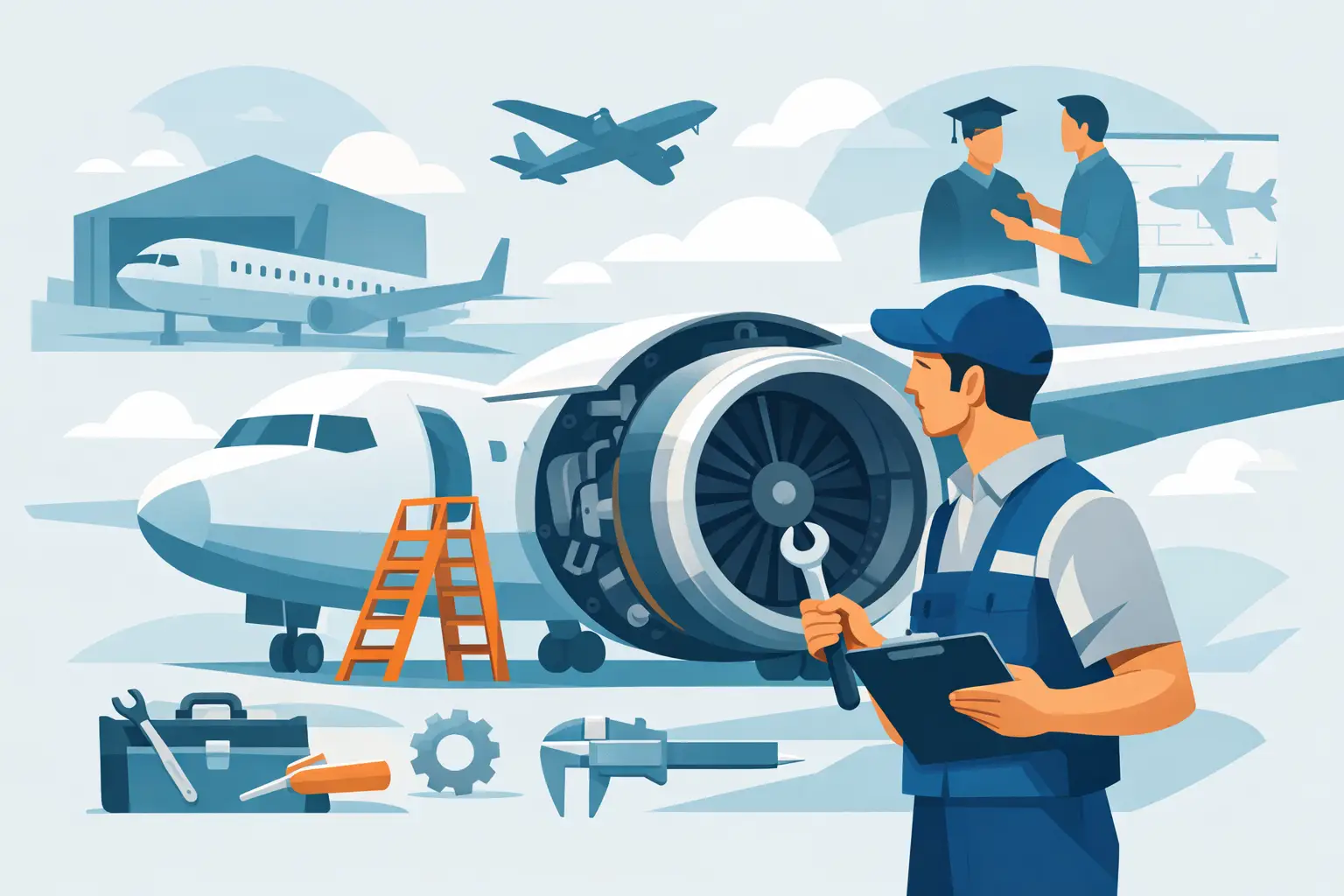
Before you commit to the path, it helps to understand the job beyond the title. A&P mechanics troubleshoot mechanical issues, inspect aircraft systems, replace worn components, perform scheduled maintenance, document all work, and follow strict FAA regulations and manufacturer procedures. Depending on the employer, you may work on commercial jets, helicopters, turboprops, piston aircraft, or business aviation fleets.
The day-to-day rhythm varies more than newcomers expect. At an airline, the pace is structured and shift-based, often including nights, weekends, and holidays. In a smaller general aviation shop, the work may be broader and less specialized, giving you faster exposure to different systems early in your career. Neither environment is automatically better. If you want predictable operations, airlines may appeal more. If you want variety and rapid skill development, general aviation can be an excellent starting point. Understanding these differences is important when deciding how to become an A&P mechanic in a way that fits your personality and long-term goals.
How to Become an A&P Mechanic: The Basic Path
In the United States, the FAA sets clear requirements for earning the mechanic certificate. You qualify by meeting experience or school requirements, passing written exams, and completing oral and practical testing. Most people take one of two routes: graduating from an FAA-approved aviation maintenance technician school or qualifying through documented practical experience. Both paths lead to the same certificate, but the structure, cost, and timeline differ.
Get the amt knowledge test prep and become an ap mechanic.
Option 1: Attend an FAA-Approved Maintenance School
This is the most common route for people learning how to become an A&P mechanic. FAA-approved programs cover the required subject areas for airframe and powerplant certification, including structures, electrical systems, hydraulics, reciprocating engines, turbine theory, regulations, and maintenance practices.
Most programs take 18 to 24 months, though timelines vary by school. Community colleges, technical schools, and specialized aviation institutions all offer programs. Some award a certificate, while others include an associate degree. The main advantage of school is structure. You get a defined curriculum, access to labs and instructors, and a clear path to FAA testing eligibility. The trade-off is cost. Tuition, tools, books, exam fees, and living expenses can add up, so choosing the right program matters. Compare total value, not just headline tuition. If you want the most predictable and organized path, school is often the best answer to how to become an A&P mechanic efficiently.
Option 2: Qualify Through Practical Experience
The FAA also allows applicants to qualify through documented work experience rather than graduating from an approved school. Generally, this means 18 months of practical experience for either airframe or powerplant, or 30 months of practical experience working on both at the same time.
This route is appealing for military veterans, shop apprentices, or people already working around aircraft maintenance. It may save money upfront, but it can be harder to organize. You need relevant hands-on experience, proper documentation, and enough exposure to pass the same tests school graduates take. For career changers with no aviation background, this path can be less direct. Still, it remains a legitimate option for those who already have access to maintenance environments.
FAA Testing and Certification Steps
Once you meet eligibility requirements, you must complete the FAA testing sequence. This includes written knowledge tests covering general, airframe, and powerplant subjects, followed by oral and practical exams with a designated mechanic examiner. The written tests cover theory and regulations. The oral and practical exams demonstrate your ability to apply what you know. Employers care deeply about judgment, communication, and procedural discipline, so these exams matter.
A common mistake is treating the certificate as the finish line. In reality, it is the entry gate. Your early reputation will come from reliability, documentation habits, and willingness to keep learning—traits that matter just as much as technical skill. Understanding this mindset is part of learning how to become an A&P mechanic who succeeds long-term.
How Long Does It Take?
If you want to know how to become an A&P mechanic as quickly as possible, the timeline depends on your starting point. A full-time FAA-approved school often takes under two years. Experience-based qualification usually requires 18 to 30 months or longer, depending on consistency and documentation. For someone starting from scratch, school is usually faster in practical terms because the path is organized. Experience-based routes can appear shorter on paper but take longer if you struggle to find the right role or maintain steady progress.
What Does It Cost?
Costs vary widely. Community college programs may be significantly less expensive than private technical schools. In addition to tuition, expect expenses for tools, books, testing fees, supplies, and safety gear. It is smart to evaluate cost in relation to employability. A cheaper program is not always the better deal if facilities are outdated or employer relationships are weak. Likewise, the most expensive program is not automatically the strongest.
Ask practical questions: What is the graduation rate? What percentage of students pass FAA tests? Which employers hire graduates? These answers matter more than marketing language when deciding how to become an A&P mechanic without unnecessary debt.
Skills That Make You a Good Fit
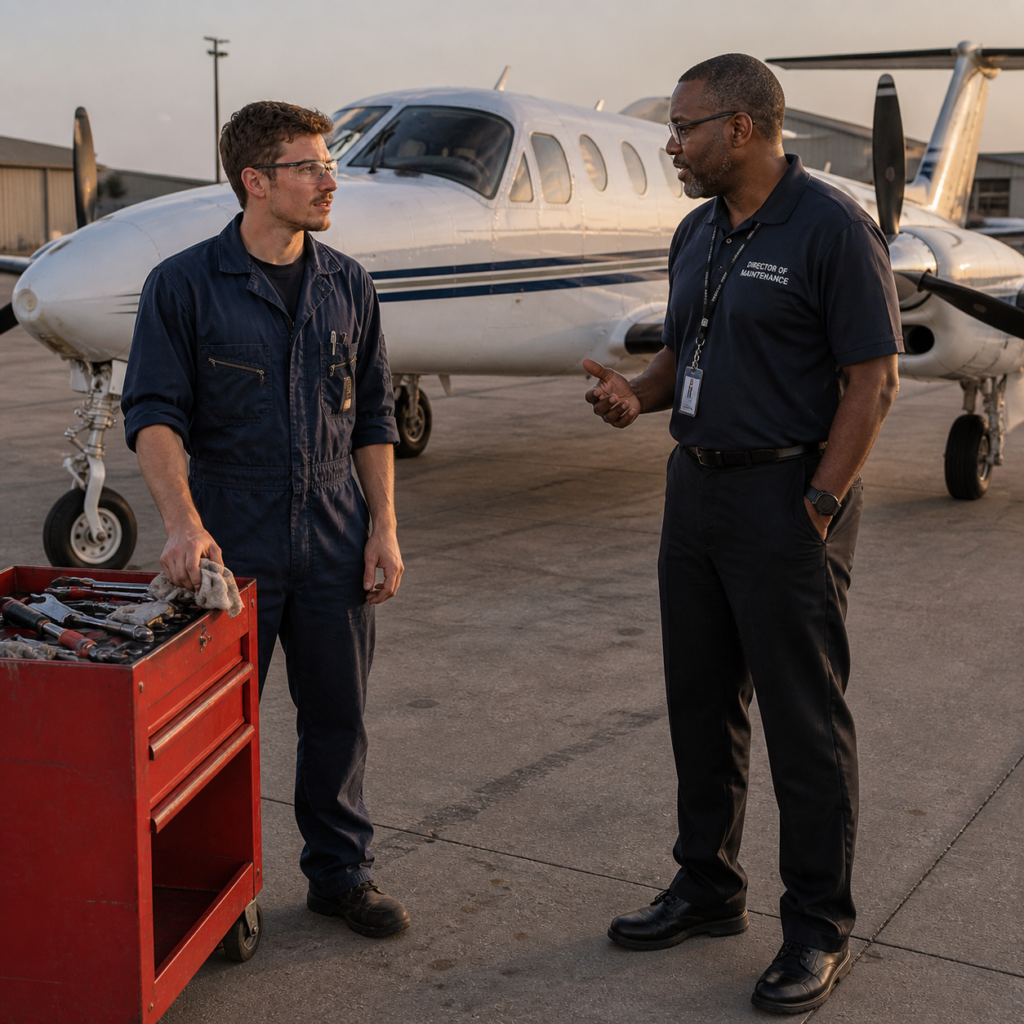
Technical curiosity helps, but personality fit matters too. Good A&P mechanics are methodical, safety-focused, comfortable with accountability, detail-oriented, and strong with documentation. The work can be physically demanding and repetitive in the best sense—repetition is part of how aviation stays safe.
Some people enter maintenance because they enjoy working with their hands, then feel surprised by how much reading, recording, and procedural discipline the job requires. If you prefer improvisation, this field may feel restrictive. If you appreciate precision and clear standards, it often feels deeply satisfying. Understanding your fit is an important part of deciding how to become an A&P mechanic in a way that aligns with your strengths.
Salary and Career Outlook
Pay varies by employer type, location, aircraft type, certifications, overtime, and experience. Entry-level mechanics earn less than experienced airline or specialized technicians, but compensation improves meaningfully with time, shift differentials, and stronger employers. A&P mechanics can build stable earning potential, especially once they gain experience with larger operations or move into lead, inspector, or supervisory roles. Some stay deeply technical. Others grow into quality assurance, maintenance control, planning, or management.
The outlook is generally favorable because aircraft require maintenance regardless of market cycles. Hiring may rise and fall by segment, but licensed mechanics remain essential. During interviews be sure to ask about relocation bonus for aircraft mechanics.
Where New A&P Mechanics Usually Start
Your first job may not be your ideal job, and that is normal. Many new mechanics begin in general aviation, regional airlines, MRO facilities, or entry-level support roles. The first employer often matters less than the quality of experience you gain. Look for places where newer technicians are mentored. A slightly lower wage at a shop that teaches well can be a better long-term move than a higher wage in a chaotic environment where you learn little and burn out fast.
Choosing the Right Path for Your Situation
If you are a recent high school graduate, an FAA-approved school may offer the clearest runway. If you are a military maintainer, your experience may already align well with FAA eligibility. If you are changing careers in your 30s or 40s, the decision often comes down to finances and schedule. There is no single best path—only the best fit for your constraints and goals. What matters is choosing a route that gets you qualified without unnecessary delays or debt.
Have any thoughts?
Share your reaction or leave a quick response — we’d love to hear what you think!
-
 0
0
-
0
-
0
-
0
-
0
-
0