AVIATION JOBS GUIDE

Airline Hiring: What Airlines Look For in 2026
Airline hiring rewards more than flight time. Learn how qualifications, applications, interviews, and timing shape your chance of landing the right role.
Airline hiring is rarely as simple as meeting a minimum requirement and clicking “apply.” Airlines fill jobs that affect safety, schedules, passengers, and aircraft availability. Whether you are pursuing a flight deck, maintenance, dispatch, cabin crew, or airport operations role, employers are evaluating whether you can perform consistently in a highly regulated, team-based environment.
That means the strongest candidate is not always the person with the longest resume. It is often the person who has the right credentials, presents a clear record of reliability, and can explain why they are ready for the specific job and lifestyle involved.
How Airline Hiring Works
Most airline hiring follows a predictable sequence: an online application, qualification screening, assessments or recorded interviews for some roles, live interviews, background checks, medical or drug testing when required, and pre-employment training. The pace varies. A candidate may move from application to a conditional offer in weeks, while another may wait months because of class dates, staffing priorities, or the need for a particular base or fleet.
Airlines also hire by operational need rather than on a perfectly steady calendar. A major carrier may post large groups of flight attendant openings, then pause applications after building a candidate pool. Maintenance hiring can increase where fleets are expanding or heavy checks are scheduled. Pilot hiring depends on aircraft deliveries, retirements, attrition, and training capacity, not just passenger demand.
This is why a rejection or lack of response should not automatically be read as a verdict on your long-term prospects. It may reflect timing, location preferences, incomplete qualifications, or a highly competitive applicant pool. Keep records of applications, update your materials as experience changes, and apply again when you can show meaningful progress.
Airline Hiring Requirements Vary by Role
Aviation credentials matter, but they do not carry the same weight in every department. Start by identifying the role’s nonnegotiable requirements before investing heavily in training or applying broadly.
For airline pilots, certificate level, flight time, recency, multi-engine experience, instrument proficiency, and eligibility for an airline transport pilot certificate are central considerations. Regional airlines may offer a more accessible first airline position for pilots building experience, while major airlines generally seek substantially deeper experience and a record of professional performance. Military, charter, corporate, cargo, and regional backgrounds can all lead to an airline career, but each path is evaluated in context.
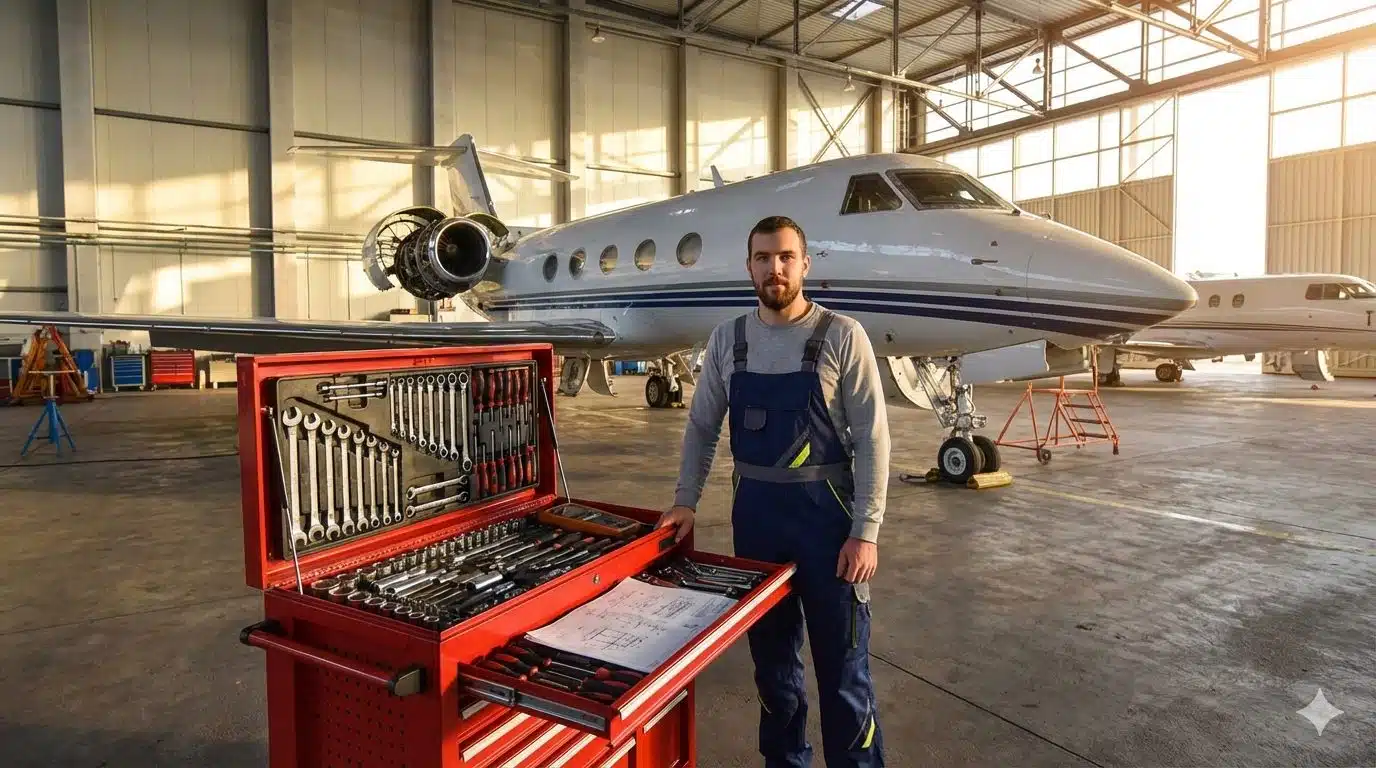
Aircraft maintenance technician applicants need the appropriate FAA mechanic certification for the work being performed, along with practical troubleshooting ability and a safety-first approach. Airlines may value experience on turbine aircraft, but they also need technicians who document work accurately, follow manuals, and communicate well during shift handoffs.
Flight attendants are commonly evaluated on customer service judgment, communication, appearance standards, schedule flexibility, and the ability to remain composed during disruptions. A college degree may help in some cases, but it is not a universal requirement. Customer-facing experience in hospitality, healthcare, education, retail, or public safety can be relevant when it demonstrates sound decision-making and professionalism.
Dispatchers need an FAA aircraft dispatcher certificate and must show they can manage weather, fuel, routing, regulations, and changing operational conditions. Airport operations, customer service, ramp, and reservations roles may have fewer licensing barriers, yet they still require dependable attendance, shift flexibility, and comfort working under time pressure.
What Airlines Look for Beyond Credentials
Technical qualifications get your application through the first filter. The interview determines whether your judgment and work habits fit airline operations.
Safety is the first theme. Airlines want candidates who respect procedures and know when to slow down, ask questions, or escalate an issue. In an interview, a strong answer does not make you sound like a lone hero. It shows that you used available resources, communicated early, and made a decision that protected people and equipment.
Reliability is nearly as important. Airlines operate around the clock, and one late or absent employee can affect a chain of flights. Be prepared to discuss attendance, schedule changes, early reporting times, overnight work, reserve assignments, and relocation expectations honestly. Claiming total flexibility when you have significant limits can create problems later.
Teamwork matters because airline work is interconnected. Pilots coordinate with dispatch, gate agents, flight attendants, ramp personnel, maintenance, and air traffic control. Technicians inherit work from another shift. Flight attendants manage a crew with different experience levels. Use interview examples that show how you communicated clearly, handled disagreement professionally, and kept the shared objective in focus.
Finally, airlines look for mature customer judgment. Even roles that are not passenger-facing can influence the travel experience. A weather delay, mechanical issue, missed connection, or staffing disruption creates stress quickly. Candidates who can remain factual, respectful, and solution-oriented are more likely to earn trust.
Build an Application That Matches the Job
Avoid sending the same general aviation resume to every employer. A pilot resume should make certificates, ratings, total time, turbine or multi-engine time, and recent flying easy to locate. A maintenance resume should feature certification, aircraft or systems experience, inspection duties, and technical documentation. A flight attendant or airport operations resume should translate service experience into conflict management, safety awareness, and reliability.
Use clear job titles and dates, and explain gaps briefly when necessary. Do not inflate flight time, responsibilities, or qualifications. Aviation is a small professional community, and discrepancies can surface during interviews or background checks.
Your application should also reflect the airline’s stated work conditions. If a posting requires a passport, valid driver’s license, ability to work holidays, or willingness to relocate, confirm that you meet the requirement. Small omissions can remove an otherwise qualified applicant from consideration during automated screening.
Before applying, prepare these items so you are not rushing after receiving an invitation:
- An updated resume tailored to the role
- Copies of certificates, licenses, and training records
- A professional reference list with current contact information
- A concise explanation of career changes, employment gaps, or checkride setbacks
- Interview examples involving safety, teamwork, conflict, and customer service
Prepare for the Airline Interview Process
Many airline interviews use behavioral questions, meaning the interviewer wants a real example from your experience rather than a hypothetical answer. A useful structure is situation, task, action, and result. Keep the story focused on your role, explain the decision you made, and be candid about what you learned.
For example, a pilot candidate may be asked about a time they discontinued a plan because conditions changed. A strong response explains the facts, the risk assessment, who was consulted, the decision made, and the outcome. A weak response focuses only on proving confidence or blames another person for the problem.
Technical interviews and assessments depend on the role. Pilots may face aviation knowledge, simulator evaluation, or scenario-based questions. Dispatch candidates may work through weather and operational planning problems. Maintenance applicants may be asked to explain troubleshooting logic or maintenance practices. Study fundamentals rather than relying on memorized answers. Interviewers can usually tell when a candidate understands the reason behind a procedure.
Professional presentation also matters, especially for customer-facing airline roles. That does not mean an expensive wardrobe. It means clean, conservative interview attire, punctuality, organized documents, and respectful communication with everyone you meet. Hiring teams often gather feedback from recruiters, coordinators, and other staff, not only the formal interview panel.
Timing, Bases, and Career Trade-Offs
A job offer is only the beginning of the decision. New airline employees may have limited control over their base, schedule, vacation, and reserve status. A higher starting wage can be offset by a long commute, relocation expense, or years of junior scheduling. On the other hand, accepting a less convenient base may create earlier seniority, which shapes quality of life for years.
For pilots, compare the airline’s fleet plans, domicile options, training pipeline, upgrade history, and contract provisions. For flight attendants, consider reserve rules, trip construction, and the practical cost of living near a base. Maintenance and operations candidates should ask about shift bids, overtime expectations, tool requirements, and advancement into specialized work.
There is no universally best airline job. The right choice depends on whether your priority is income, geographic stability, schedule control, rapid advancement, or entry into the industry as soon as possible.
Keep Building While You Wait
The most productive approach to airline hiring is to treat it as a continuing process, not a single application event. Maintain your credentials, gain relevant experience, keep your records organized, and practice describing your professional decisions clearly. If you are not yet qualified, identify the next requirement that will materially improve your candidacy rather than collecting unrelated credentials.
Aviation careers reward preparation and persistence. When the right hiring window opens, the candidate who can show current qualifications, sound judgment, and a realistic understanding of airline life is ready to move from interest to a credible career opportunity.