Earning your A&P certificate is a major milestone—but it’s only the beginning of a long, rewarding A&P mechanic career path. Aviation maintenance offers multiple specializations, advancement routes, and work environments. Understanding these options helps new technicians choose a direction that fits their goals, lifestyle, and long‑term ambitions.
As a newly certified A&P mechanic, you may wonder what it takes to thrive in this field. The aviation industry is not just about fixing planes; it’s about understanding complex systems, safety protocols, and continually adapting to new technologies. This journey will involve hands-on training, mentorship from experienced professionals, and a commitment to ongoing education. Whether you’re drawn to large commercial airlines or specialized helicopter operations, a successful A&P mechanic career requires a blend of technical skills and soft skills such as communication and problem-solving.
In addition to the sectors mentioned, you can explore opportunities in areas like governmental agencies, research organizations, and aviation schools. Each of these sectors not only increases your exposure to diverse aircraft types and maintenance procedures but also enhances your adaptability as a mechanic. The skills you acquire in one sector can often be translated into another, providing a rich tapestry of experience throughout your career.
For instance, working with major airlines may allow you to specialize in advanced avionics systems, while a role in corporate aviation might offer you the chance to engage in customer service and maintenance management. General aviation positions often provide greater hands-on opportunities with a more diverse fleet of aircraft, which can enhance your troubleshooting capabilities. Each path presents unique learning opportunities that extend beyond the basic mechanics of aviation maintenance.
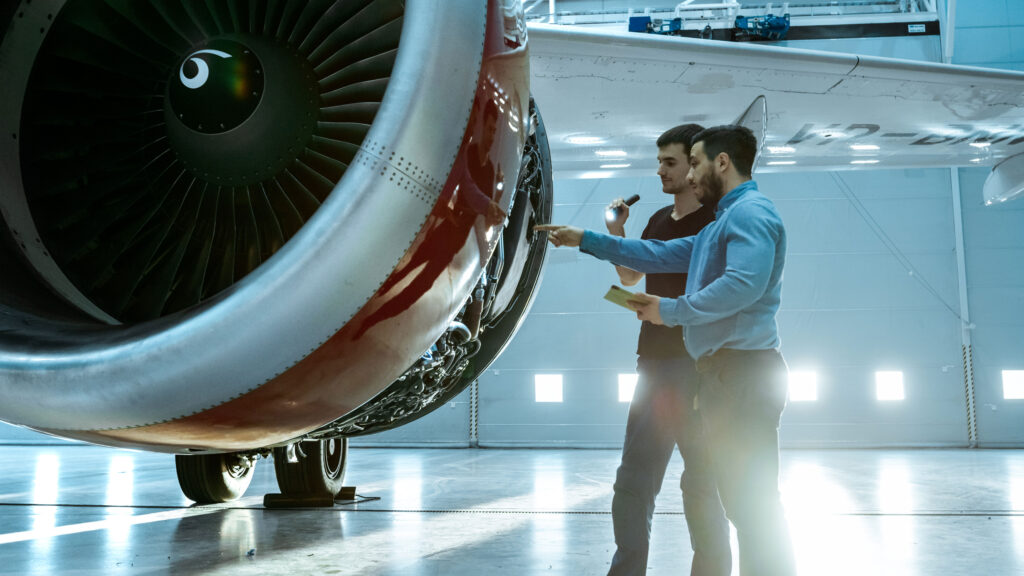
Working on large transport-category aircraft involves not just routine maintenance but also complex systems checks that require a thorough understanding of aerodynamics and engineering principles. Each aircraft has its own set of challenges, and the experience gained from tackling these can be invaluable. Furthermore, major airlines often offer structured training programs that can fast-track your professional development.
Career Sectors and Specializations
A&P mechanics can build a career in several distinct sectors, each offering unique challenges and benefits. Choosing the right environment is one of the most important early decisions in your A&P mechanic career path.
Major Airlines A&P Mechanic Career Path
- Work on large transport-category aircraft
- Fast‑paced, shift‑based environment
- High pay, strong union protection, and flight benefits
Corporate and business aviation, on the other hand, often emphasizes a high level of service and attention to detail. Mechanics in this sector not only work on the aircraft but also engage with clients to ensure their needs are met. This can include customizing maintenance schedules to accommodate a jet’s flight itinerary, which adds an element of customer relations to the role.
Corporate & Business Aviation
- Maintain private jets like Gulfstreams, Falcons, and Citations
- Clean hangars and premium service culture
- Often on‑call to support flight crews and owners
General Aviation
- Maintain small piston aircraft and light twins
- Monday–Friday schedules are common
- Broad variety of tasks and hands‑on troubleshooting
In general aviation, the variety of aircraft types you encounter—from single-engine planes to light twins—means that you will develop a wide range of skills. The flexibility of working hours can also be advantageous for those who prefer a more traditional schedule without the shift work typically associated with airlines.
MRO Facilities
- Heavy maintenance, deep inspections, and structural work
- Factory‑like environment with predictable routines
- Repetitive but highly technical and specialized
Helicopter Operations
- Work on rotorcraft systems and mission‑specific equipment
- Field‑based roles supporting EMS, utility, firefighting, or offshore operations
- Ideal for mechanics who enjoy variety and mission-driven work
MRO facilities represent a unique environment where large teams of mechanics collaborate on extensive projects. Here, you may specialize in structural repairs or engine overhauls, gaining experience that could lead to supervisory roles. The predictability of the work often allows for a better work-life balance, which can be appealing for those with family commitments.
Tools of the Trade
Every A&P mechanic career path begins with building a solid tool kit. Most employers expect mechanics to supply their own hand tools, and a starter set typically costs $2,000–$5,000.
Essential tools include:
- Safety wire pliers
- Micrometers and calipers
- 12‑point sockets and aviation‑specific wrenches
- Torque wrenches
- A high‑quality flashlight
Helicopter operations often require a different set of skills and adaptability. Mechanics working in this sector must be ready to respond to emergencies—such as search-and-rescue missions—where time is critical. This dynamic work environment appeals to those who thrive under pressure and enjoy a variety of tasks.
Golden rule: Invest in good tools—not an expensive toolbox.
Advancement Opportunities
As your experience grows, so does your earning potential. The A&P mechanic career path offers multiple ways to advance.
Inspection Authorization (IA)
Regardless of the sector, having the right tools is essential for any A&P mechanic. Building your toolkit gradually is advisable as you gain experience and understand specific needs for the various tasks you’ll encounter. Investing in high-quality tools that last is crucial for your efficiency and safety on the job.
As technology evolves, so do the tools mechanics use. Advanced diagnostic equipment and software have become integral to modern aircraft maintenance. Keeping abreast of these innovations is essential for any mechanic aiming to maintain competitiveness in the job market. Furthermore, learning to operate these tools effectively can set you apart from others in your field.
After three years as an A&P, you can test for your IA. This credential allows you to perform annual inspections and approve major repairs—significantly increasing your value and income.
Avionics Certifications
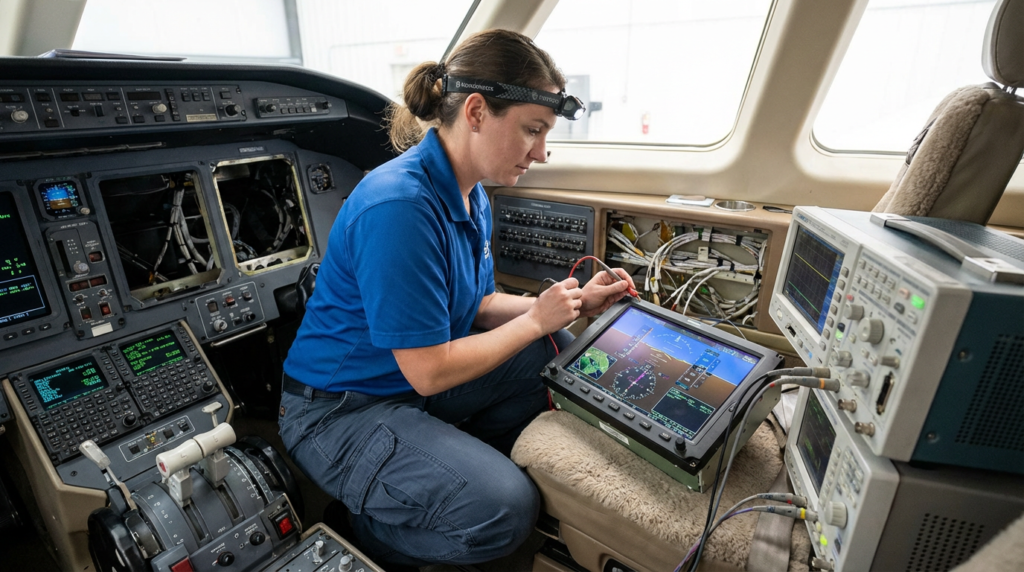
Modern aircraft rely heavily on digital systems. Earning an NCATT certification or gaining avionics experience makes you far more competitive and opens doors to higher‑paying roles.
Model‑Specific Training
Manufacturers offer “Gen‑Fam” courses for aircraft like the Boeing 737, Airbus A320, or Gulfstream G500. These certificates are highly valued and often required for premium positions.
Lifestyle and Compensation
Aviation maintenance is physical, hands‑on work. Expect to:
- Crawl into fuel tanks
- Work in extreme heat or cold
- Climb, kneel, and troubleshoot in tight spaces
Schedules often include nights, weekends, and holidays—especially early in your career.
Advancement opportunities in the aviation sector can be vast, especially for mechanics who actively seek additional certifications and training. Networking within the industry can also open doors to new roles that may not be publicly advertised. Attending industry conferences, joining professional organizations, and participating in workshops can help you stay informed about the latest trends and job openings.
Moreover, obtaining your Inspection Authorization (IA) not only enhances your credentials but also positions you as a leader within your company. Many employers will look favorably on mechanics who have taken the initiative to pursue further qualifications, as it demonstrates a commitment to safety and excellence.
Typical pay ranges along the A&P mechanic career path:
- Entry‑level: $25–$35/hr
- Mid‑career: $40–$55/hr
- Senior/airline: $60+/hr (many exceed $150k with overtime)
The Future: A Golden Age for A&P Mechanics
The aviation industry is facing a massive shortage of skilled technicians. Retirements, fleet expansion, and global demand have created unprecedented opportunity. For those willing to put in the work, the A&P mechanic career path leads to a stable, respected, and well‑paid future.
In addition to IA, avionics certifications have become increasingly valuable as aircraft systems become more sophisticated. The ability to troubleshoot and repair avionics can lead to higher-paying positions and may provide opportunities for specialized roles within companies focusing on advanced technology.
As you climb the career ladder, salary expectations can vary significantly. Many skilled A&P mechanics can negotiate higher salaries based on their experience, certifications, and the specific demands of their roles. Continuous education in specialized areas can also provide leverage during salary discussions.
It’s also essential to consider the various benefits that come with positions in this field, such as retirement plans, healthcare options, and job security, especially given the current demand for skilled mechanics. Understanding the full compensation package is crucial when evaluating job offers.
Looking ahead, the aviation industry is at a pivotal moment. The projected demand for A&P mechanics is expected to grow, driven by advancements in technology and an increase in air travel. Therefore, now is an excellent time to embark on or advance in the A&P mechanic career path, as the opportunities are ripe and the rewards can be substantial.
As you consider your next steps, it is crucial to reflect on your personal interests, strengths, and long-term career goals. Whether you aspire to manage a maintenance team, specialize in a particular aircraft model, or even transition into an engineering role, the A&P mechanic career path offers the flexibility to shape your own journey.
Ultimately, success in this field comes down to dedication, curiosity, and the willingness to grow. Embracing new challenges and committing to lifelong learning will ensure you remain an indispensable part of the aviation community, ready to tackle whatever comes next in your A&P mechanic career path.