
The Quiet Geometry of Maintenance
Essential Skills for an A&P Mechanic: An Exploration
There is a particular hour in the hangar—an hour that does not appear on any schedule—when the day’s noise has thinned to a hum and the aircraft sit in their bays like great, slumbering animals. The fluorescent lights buzz overhead, casting long reflections across polished aluminum skins. A mechanic, shoulders still carrying the weight of the shift, walks the length of a wing with a flashlight, tracing the rivet lines as though reading a text written in a language only a few ever learn to speak fluently.
It is in these quiet moments that the Essential Skills for an A&P reveal themselves most clearly. Not as a checklist, nor as a catalog of competencies, but as a way of seeing the world—through tolerances, through systems, through the consequences of small decisions. The Airframe and Powerplant mechanic occupies a peculiar place in the modern imagination: part craftsperson, part diagnostician, part steward of a machine that must defy gravity with absolute reliability. The work is technical, yes, but it is also philosophical. It demands a temperament shaped by precision, patience, and a kind of moral clarity.
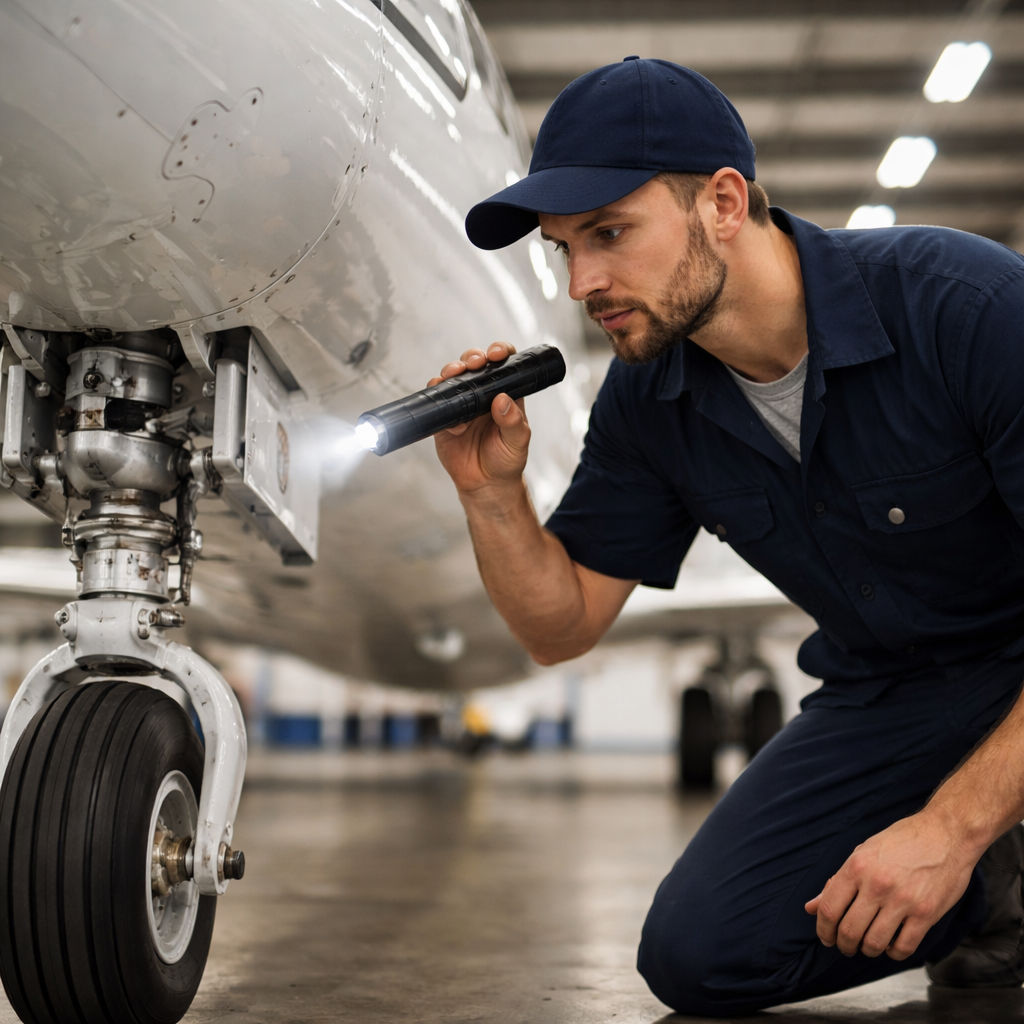
To understand the Essential Skills for an A&P, one must first understand the environment in which those skills are forged. The hangar is not merely a workplace; it is a culture, a discipline, a world governed by regulations and rituals. It is a place where the margin for error is measured not in dollars or productivity metrics but in lives.
What follows is an exploration—not a manual—of the skills that define the A&P mechanic. It is an attempt to capture the texture of the work, the intellectual demands, the sensory details, and the quiet responsibilities that accumulate over a career spent keeping aircraft airworthy.
Systems Within Systems
The Aircraft as an Ecosystem
To the untrained eye, an aircraft is a collection of parts: engines, wings, landing gear, avionics. To the mechanic, it is a living ecosystem, a network of interdependent systems whose behavior must be understood not only individually but in relation to one another. This holistic understanding forms the bedrock of the Essential Skills for an A&P.
The Pulse of the Machine: Engines and Powerplants
The engine—whether a piston beating like a mechanical heart or a turbine inhaling air with the steady hunger of a furnace—is the most visible symbol of aircraft power. But for the mechanic, engines are less symbols than systems of exquisite complexity. They demand fluency in combustion, airflow, lubrication, and vibration. They require the ability to read subtle signs: a faint discoloration on a turbine blade, a harmonic tremor in a bearing, a temperature rise that suggests a deeper imbalance.
Hydraulics, Pneumatics, and the Invisible Muscles of Flight
Hydraulic and pneumatic systems are the musculature of the aircraft. They move flaps, actuate landing gear, and modulate control surfaces. Their failures are rarely dramatic; more often they whisper their warnings through slow leaks, pressure fluctuations, or the faint scent of hydraulic fluid where it should not be. The mechanic must learn to listen.
Electrical Distribution and the Logic of Power
Electrical systems form the nervous system of the aircraft. They are both simple and maddeningly complex: wires, buses, relays, and breakers arranged in patterns that reveal themselves only to those who have studied their logic. A&P mechanics must understand not only how electricity flows but how it fails—how a single chafed wire can cascade into a symphony of faults.
Environmental and Pressurization Systems: The Human Envelope
Pressurization and environmental systems are the aircraft’s promise to its passengers: that they may travel through an inhospitable sky in comfort and safety. These systems require the mechanic to think like both an engineer and a physiologist. A misbehaving outflow valve or a faulty temperature controller is not merely a mechanical issue; it is a threat to the human envelope.
Flight Controls and Rigging: The Geometry of Motion
Flight controls are the aircraft’s limbs, and rigging them is an art that borders on choreography. The mechanic must understand geometry, tension, and balance. A misrigged control surface can turn a routine flight into a test of pilot skill. Precision here is not optional; it is the difference between harmony and chaos.
Digital Avionics: The Aircraft’s Consciousness
Modern aircraft are as much digital organisms as mechanical ones. Avionics systems—flight management computers, navigation suites, digital displays—form the aircraft’s consciousness. The mechanic must be fluent in both the analog and the digital, able to interpret fault codes, synoptics, and data streams with the same confidence once reserved for mechanical gauges.
The Craft of Repair
Hands, Tools, and the Tactile Knowledge of the Trade
If systems knowledge is the intellectual foundation of the Essential Skills for an A&P, then maintenance proficiency is the craft. It is the work of hands: removing engines, repairing sheet metal, treating corrosion, replacing components. It is the work of repetition, of learning through touch and sound and the subtle feedback of a tool in motion.
The Tactile Intelligence of Sheet Metal and Composites
Sheet metal repair is a discipline of patience. It requires the ability to read the story of stress and fatigue written into the skin of the aircraft. Composites, by contrast, demand an understanding of materials that behave more like bone than metal—strong, flexible, and unforgiving of improper handling.
Landing Gear: The Architecture of Impact
Landing gear maintenance is a study in forces. These assemblies absorb the violence of every touchdown, bearing the weight of the aircraft and the shock of descent. The mechanic must understand hydraulics, structural loads, and the choreography of retraction and extension.
Corrosion: The Slow Enemy
Corrosion is the quiet adversary of aviation. It creeps into seams, hides beneath paint, and advances with the patience of time itself. Treating it requires vigilance, chemistry, and an almost forensic attention to detail.
Wire Harness Repair: The Delicate Work of Connectivity
Wire harnesses are the veins of the aircraft’s electrical body. Repairing them is delicate work—stripping, soldering, insulating—performed with the precision of a surgeon.
Component Overhaul: The Discipline of Restoration
Overhauling components is a ritual of disassembly and rebirth. Each part must be cleaned, measured, inspected, and reassembled according to specifications that leave no room for improvisation.
The Ritual of Tools
Precision Instruments and the Culture of Control
Tools are not merely objects in the hangar; they are extensions of the mechanic’s judgment. Mastery of tools is one of the most overlooked yet essential elements of the Essential Skills for an A&P.
Torque Tools: Instruments of Faith
Torque wrenches are the mechanic’s covenant with the aircraft. Too little torque invites failure; too much invites fracture. The correct value is not a suggestion but a truth.
Borescopes: Lanterns in the Dark
A borescope allows the mechanic to see into the hidden chambers of the engine. It is a lantern carried into the dark, revealing the surfaces where heat and pressure leave their signatures.
Non-Destructive Testing: Seeing Without Touching
NDT equipment—ultrasound, eddy current, dye penetrant—allows the mechanic to see beneath the surface without disturbing it. It is a form of mechanical clairvoyance.
Pitot-Static and Transponder Test Sets
These instruments test the aircraft’s ability to sense its own motion and communicate its presence. They are the tools that ensure the aircraft knows where it is and how fast it is moving.
Vibration Analyzers: Listening to the Machine’s Voice
Engines speak through vibration. A vibration analyzer translates that language into data the mechanic can interpret.
Tool Control: The Discipline of Accountability
Tool control is not bureaucracy; it is safety. A single forgotten wrench can become foreign object debris—a threat to engines, structures, and lives. Accountability is not optional; it is a professional habit.
The Detective Work of Troubleshooting
Diagnostics as Inquiry
Troubleshooting is where the mechanic’s intellect is most visible. Aircraft discrepancies are rarely straightforward. They require interpretation, inference, and the ability to see patterns where others see noise.
Reading the Clues
Mechanics interpret:
- Pilot write-ups
- Fault codes
- Onboard diagnostics
- System synoptics
- Maintenance history trends
Each is a clue, but none is the whole story.
The Art of Root Cause
Replacing parts is easy. Isolating the root cause is the mark of a skilled technician. It reduces cost, downtime, and the risk of recurring failures.
Judgment in the Gray Areas
Critical Thinking as a Safety Instrument
Aviation maintenance is filled with ambiguous scenarios. The mechanic must exercise judgment—analytical, ethical, and regulatory.
Airworthiness Decisions
Determining whether an aircraft is airworthy after damage is not merely a technical decision; it is a moral one.
Recurring Defects and Engineering Data
Recurring defects require pattern recognition. Engineering repair data requires interpretation. Neither offers easy answers.
MEL/CDL Deferrals
Minimum Equipment List and Configuration Deviation List decisions require balancing operational urgency with regulatory compliance.
Precision as a Philosophy
The Discipline of Detail
Attention to detail is not a personality trait; it is a survival skill. Aviation tolerances are exacting. Small deviations can create large hazards.
The Work of Precision
Precision is required when:
- Torquing fasteners
- Safety wiring components
- Rigging flight controls
- Installing critical hardware
- Conducting return-to-service inspections
This meticulousness protects passengers, crew, and the integrity of the aircraft.
The Discipline of Inspection
Seeing What Others Miss
Inspection is the art of looking closely. It is a skill developed through repetition, mentorship, and experience.
The Responsibilities of Inspection
Mechanics perform:
- Phase and progressive inspections
- Annual inspections
- Service bulletin compliance
- Airworthiness directive verification
The ability to identify subtle discrepancies is what separates the novice from the seasoned professional.
The Human Infrastructure
Communication, Collaboration, and the Collective Mind
Aviation maintenance is a team endeavor. Communication is one of the most underestimated Essential Skills for an A&P.
The Language of the Hangar
Mechanics must communicate with:
- Pilots
- Maintenance control
- Quality assurance
- Fellow technicians
Clear communication prevents duplicated work and missed safety items.
Written Communication as Legal Record
Logbook entries, maintenance releases, and work cards are legal documents. They must be precise, traceable, and regulator-compliant.
Collaboration as Culture
Mechanics work alongside:
- Avionics specialists
- Structures technicians
- Engineers
- Interior teams
- Flight operations personnel
A cooperative hangar culture improves safety and efficiency.
Time, Pressure, and the Operational Clock
Managing the Tension Between Safety and Schedule
Aircraft downtime affects revenue and mission capability. Time management is therefore one of the Essential Skills for an A&P.
Mechanics must prioritize:
- Airworthiness directives
- MEL items
- Scheduled inspections
- Deferred maintenance
Balancing safety with operational urgency requires disciplined workflow management.
The Future Arrives Daily
Continuous Learning as a Career Imperative
Aviation evolves constantly. The mechanic must evolve with it.
Technicians must stay current with:
- New aircraft platforms
- Composite structures
- Fly-by-wire systems
- Predictive maintenance software
- Digital troubleshooting tools
Continuous learning ensures long-term career viability.
Conclusion: The Stewardship of Airworthiness
The Essential Skills for an A&P form a framework that is technical, analytical, collaborative, and deeply human. They are the skills that keep aircraft safe, passengers confident, and the aviation system functioning.
To master these skills is to accept a form of stewardship—of machines, of safety, of trust. For aspiring technicians, developing these skills is not optional. It is the pathway to credibility, responsibility, and professional success in one of aviation’s most mission-critical fields.