AVIATION JOBS GUIDE
Which Aviation Job Fits You? Understanding the Real Career Paths Behind Aviation Jobs
Wondering which aviation job fits me? Compare pilot, maintenance, dispatch, engineering, and ATC paths by training, lifestyle, and goals before choosing.
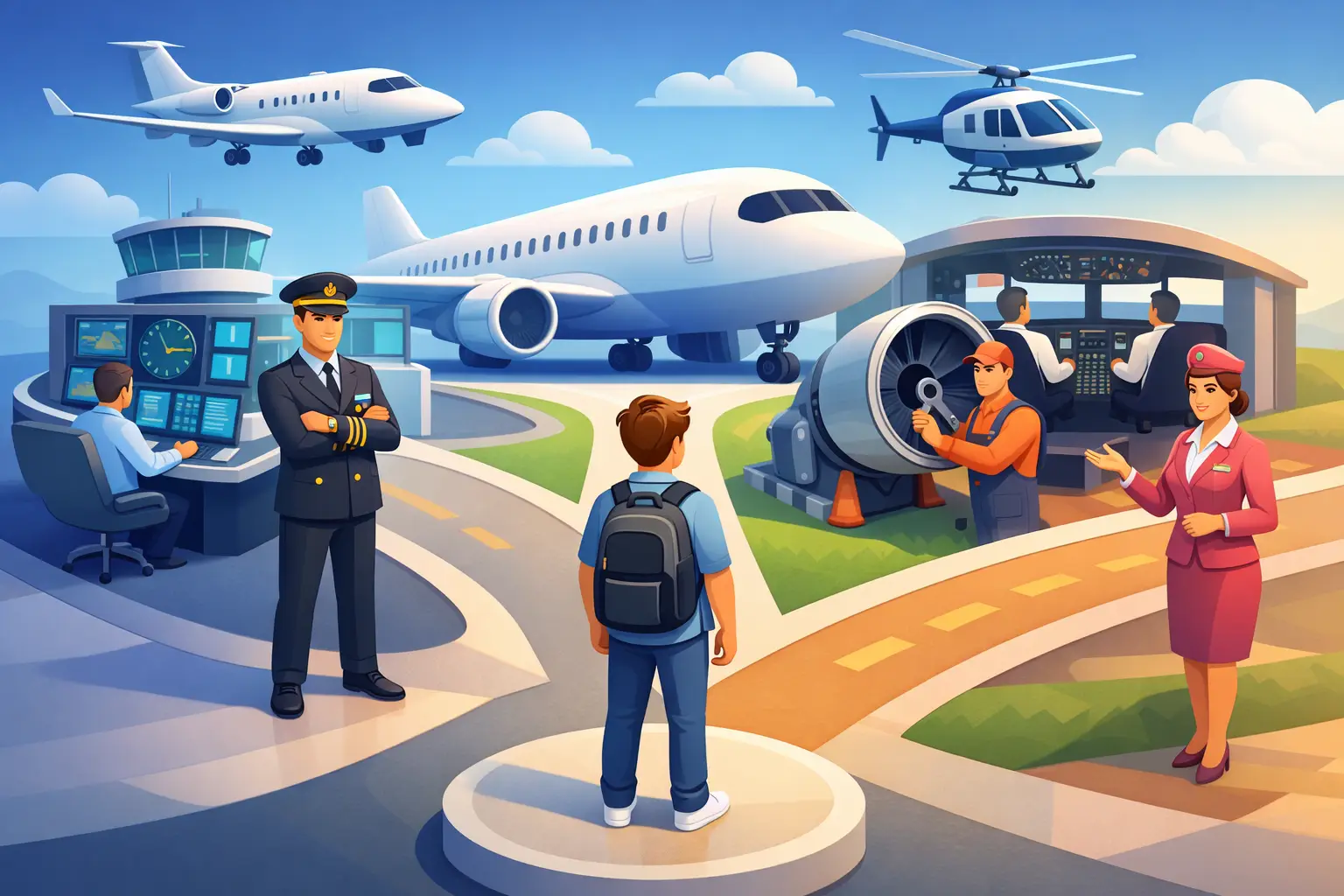
From the outside, aviation can look like one unified profession—airplanes, airports, and travel. In reality, aviation jobs span a wide range of specialties with different schedules, training requirements, physical demands, and earning trajectories. If you’re asking, which aviation job fits me, the best starting point isn’t excitement or prestige. It’s understanding which day‑to‑day responsibilities and long‑term trade-offs you can realistically handle.
A pilot, air traffic controller, aircraft mechanic, dispatcher, and aerospace engineer may all contribute to the same flight, yet their work lives barely resemble one another. The right path depends on how you solve problems, how much training you’re willing to take on, and what you want your life outside work to look like.
Start With the Work You Want to Do
Before comparing salaries or titles, think about where you want to spend your working day. Aviation jobs exist in cockpits, control facilities, hangars, airport ramps, and engineering offices. Because aviation rewards specialization, choosing the environment matters as much as choosing the role.
You should also be honest about your tolerance for irregular schedules. Airlines, airports, maintenance bases, and air traffic facilities operate 24/7. Entry-level workers often have limited control over shifts, holidays, and location. A role with strong earning potential may still be a poor fit if its lifestyle conflicts with your priorities.
Finally, separate your interest in flying from your interest in aviation. Many people enter the field because they love aircraft but later discover that maintenance, dispatch, operations, or engineering offers a better balance of cost, stability, and responsibility.
Which Aviation Job Fits Me? Compare the Main Career Paths
Airline or Corporate Pilot
Piloting fits people who want direct responsibility for flight operations, can make calm decisions under pressure, and are comfortable with recurrent training. Airline pilots typically work multi‑day trips, while corporate pilots may have more unpredictable travel depending on the company and aircraft.
The barrier to entry is significant. Becoming a professional pilot requires flight training, FAA certificates and ratings, flight‑hour building, medical qualification, and ongoing proficiency checks. Airline roles also require an ATP certificate, with limited exceptions through restricted ATP pathways. Training costs can be substantial before reaching higher‑paying aviation jobs in the airline world.
For the right person, the trade-off is worthwhile. Senior airline pilots can earn high salaries and gain meaningful schedule control, but those benefits come after years of experience and seniority.
Aircraft Mechanic or Avionics Technician
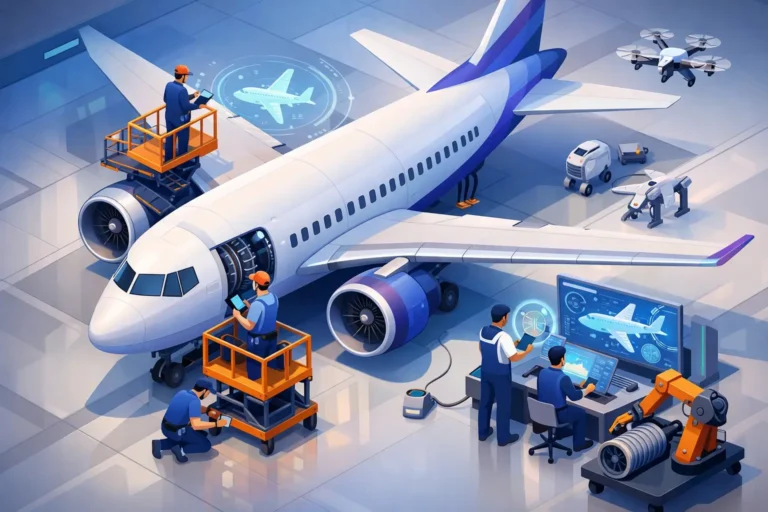
Maintenance roles fit hands‑on problem solvers who want a career close to aircraft without flying them. Mechanics inspect, repair, troubleshoot, and document work that keeps aircraft airworthy. Avionics technicians focus on electrical, navigation, communication, and aircraft systems.
Most employers value an FAA Airframe and Powerplant certificate. You can qualify through an FAA‑approved school or eligible work experience, then pass written, oral, and practical exams. The path is typically shorter and less expensive than pilot training, making these aviation jobs accessible for people who prefer technical work.
Maintenance can involve nights, weekends, physical activity, noisy environments, and time pressure. In exchange, the work is tangible—you diagnose a problem, fix it, and see the result.
Flight Dispatcher
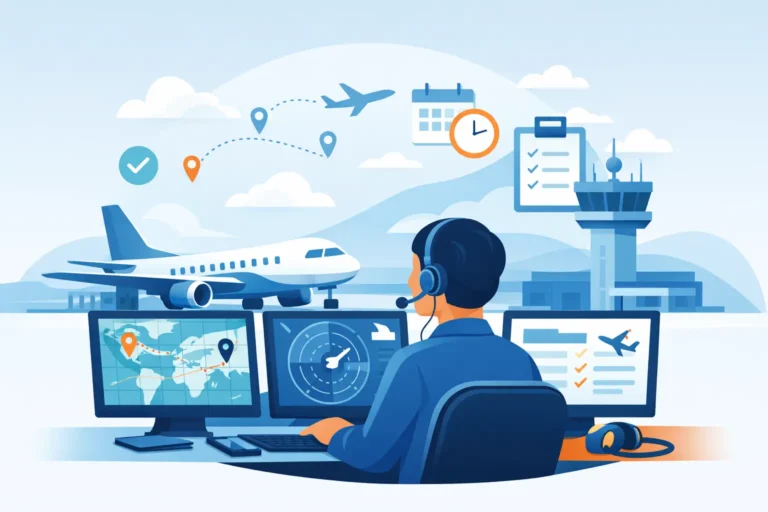
Dispatch is often overlooked by people exploring aviation jobs. Dispatchers work with pilots to plan flights, evaluate weather, calculate fuel needs, monitor conditions, and make operational decisions. At airlines, dispatchers share legal responsibility for the safe conduct of a flight with the captain.
FAA dispatcher certification requires approved training or qualifying experience and passing FAA knowledge and practical testing. Compared with becoming a pilot, the training path is shorter and does not require flight hours.
Schedules can still be demanding because airline operations centers run continuously. If you think clearly with many variables in play and communicate well under pressure, dispatch offers a direct route into airline operations.
Air Traffic Controller
Air traffic control fits people who can process information quickly, maintain concentration, communicate precisely, and stay composed when the pace increases. Controllers separate aircraft on the ground and in the air using detailed procedures and constant coordination.
FAA hiring has specific eligibility requirements, age limits, medical standards, and competitive selection processes. Unlike many aviation jobs, you generally apply to FAA hiring announcements rather than earning a certificate independently.
Compensation can be strong, especially at busier facilities. The work carries real stress, rotating schedules, and limited geographic flexibility.
Aerospace Engineer
Aerospace engineering is ideal for people more interested in how aircraft work than in operating them. Engineers design, test, analyze, and improve aircraft, engines, systems, materials, and space technologies.
A bachelor’s degree in aerospace, mechanical, electrical, or a related discipline is the usual entry point. This path is academically demanding but often offers a more conventional schedule than operational aviation jobs.
Engineering skills transfer to manufacturing, defense, automation, and space systems, making it a versatile long‑term career.
Airport Operations, Ground Handling, and Cabin Crew
Not every aviation role requires a federal certificate or four‑year degree. Airport operations specialists, ramp agents, gate agents, cargo workers, and flight attendants provide accessible entry points into aviation jobs. These roles also help candidates learn how airlines and airports function before committing to a specialized path.
Flight attendants fit people with strong customer service instincts and safety awareness. Ramp and airport operations fit those who prefer active, team‑based work. Starting pay and schedules may be less attractive, but internal mobility can be valuable.
Use Training Cost and Time as Decision Filters
Aviation jobs are not equal investments. Pilot training can require a large financial commitment before earning a professional salary. Engineering requires a four‑year degree. Maintenance and dispatch often require shorter programs, while airport operations may offer entry-level access with a high school diploma.
Do not choose solely by the fastest path. A shorter program is only a benefit if the work fits you. Likewise, avoid assuming the most expensive or prestigious path is automatically the best long‑term choice.
When evaluating a school or program, ask what credential you will leave with, whether it meets FAA requirements, what the full cost includes, and what job outcomes are realistic.
Match the Career to Your Lifestyle Priorities
Your preferred lifestyle should influence your decision early. Pilots and flight attendants may gain travel benefits but spend time away from home. Dispatchers, controllers, mechanics, and airport workers may work nights, weekends, and holidays. Engineers often have more predictable schedules but less operational excitement.
Location matters. Many aviation jobs cluster near major hubs and metropolitan areas. Corporate aviation may require relocation. Maintenance opportunities exist in more locations, especially near repair stations and regional airports.
A useful test is to picture an ordinary Tuesday five years from now. Would you rather be reviewing weather before sunrise, troubleshooting an electrical fault, sequencing arrivals in a radar room, analyzing a wing design, or preparing for a multi‑day trip?
Take a Low‑Risk Step Before Committing
You don’t need to make a permanent decision before getting closer to the field. Visit a local airport, attend an aviation career event, speak with people doing the job, or arrange a discovery flight. Students can explore aviation clubs, engineering projects, and internships. Career changers can look for introductory maintenance, dispatch, or airport operations programs.
Pay attention to what energizes you. Some people are drawn to procedures. Others prefer mechanical work, team coordination, customer interaction, or managing complex systems. Aviation jobs have room for all of those strengths.
The best next step is not choosing a title that sounds impressive. It’s choosing one concrete experience that tests your assumptions. A few hours of informed exploration can save years of pursuing a path that looked right from a distance but never matched the way you want to work.Cost to Become a PilotAerospace Engineers Career