

Pilot Training Grants: A Strategic Guide for Aspiring Aviators
The Financial Reality of Modern Flight Training
Pilot training has never been more accessible—or more expensive. As the aviation industry continues to expand, thousands of new aviators are entering the pipeline each year, but the financial barrier remains a defining challenge. Aircraft rental rates, instructor fees, testing costs, and advanced ratings can push total expenses well beyond $80,000. For many students, Pilot Training Grants represent the most meaningful way to reduce this burden without taking on additional debt. Unlike loans, grants do not require repayment, making them a powerful tool for building a sustainable training plan. Understanding how these programs work, where they originate, and how to qualify is essential for any pilot pursuing a professional pathway.
The aviation community has responded to rising costs with a growing ecosystem of financial support. Nonprofits, foundations, flight schools, and industry associations have expanded their offerings, creating more opportunities than ever before. Still, competition is high, and applicants must approach the process with the same discipline they bring to flight training itself. This article provides a comprehensive overview of Pilot Training Grants, helping you identify the right programs, strengthen your application, and build a long‑term strategy that supports your aviation goals.
Understanding the Landscape of Pilot Training Grants
The world of aviation funding is diverse, and each grant program serves a specific purpose. Some are designed for brand‑new students pursuing their first certificate, while others support advanced ratings such as instrument, commercial, or multi‑engine. AOPA, EAA, Women in Aviation International, and regional aviation foundations all play major roles in distributing funds. Many programs focus on workforce development, aiming to increase the number of qualified pilots entering commercial and corporate aviation. Others emphasize diversity, encouraging participation from underrepresented groups to strengthen the future of the industry.
When evaluating Pilot Training Grants, it’s important to understand the eligibility criteria. Most programs require applicants to demonstrate commitment, professionalism, and a clear training plan. This often includes proof of enrollment at a flight school, instructor recommendations, and evidence of progress toward a certificate or rating. Some grants require applicants to be members of specific organizations, while others are open to the general public. Age requirements vary widely, with some programs targeting high school students and others designed for adults transitioning into aviation careers.
Another key factor is the type of training covered. Many grants support private pilot training, but a growing number now fund instrument ratings, commercial certificates, and even CFI programs. This shift reflects the industry’s need for well‑rounded aviators who can move quickly into professional roles. Understanding which programs align with your training timeline will help you prioritize applications and maximize your chances of success.
Building a Competitive Application Strategy
Securing Pilot Training Grants requires more than simply filling out forms. Successful applicants approach the process with intention, clarity, and professionalism. The most competitive applications demonstrate a strong aviation identity, a clear understanding of training goals, and a realistic plan for completing each phase. Grant committees want to invest in students who show discipline, maturity, and long‑term commitment to the industry.
Start by developing a concise personal narrative. Explain why you want to become a pilot, how you’ve prepared for training, and what steps you’ve already taken. Highlight any aviation‑related activities such as ground school, simulator practice, mentorship programs, or volunteer work. Committees value applicants who show initiative and self‑motivation. If you’ve already completed part of your training, include logbook totals and milestones to demonstrate progress.
Letters of recommendation are another critical component. Choose instructors, mentors, or aviation professionals who can speak to your work ethic, discipline, and potential. A strong recommendation reinforces your credibility and helps committees understand your character. Make sure your references know the specific grant you’re applying for and the qualities the organization values.
Your financial plan also matters. Grant committees want to see that you’ve thought through the full cost of training and have a strategy for covering expenses beyond the grant itself. This may include savings, part‑time work, additional scholarships, or family support. Demonstrating financial responsibility increases confidence that you will complete your training successfully.
Finally, pay close attention to deadlines. Many Pilot Training Grants operate on annual cycles, and missing a submission window can delay your progress by an entire year. Create a calendar of application dates and set reminders well in advance. Treat the process with the same professionalism you bring to flight training.
Expanding Your Funding Strategy Beyond Grants
While Pilot Training Grants are a powerful resource, they should be part of a broader financial strategy. Scholarships, workforce development programs, and aviation‑specific financing options can help fill gaps and accelerate your progress. Many flight schools offer internal scholarships or partnerships with local aviation foundations. Some employers—including FBOs, charter operators, and maintenance facilities—provide tuition assistance for employees pursuing pilot certificates.
Another emerging trend is the use of aviation workforce grants funded by state and regional economic development agencies. These programs aim to increase the number of pilots available to support local aviation industries, including cargo operations, corporate flight departments, and regional airlines. They often provide substantial funding for advanced ratings, making them an excellent complement to traditional grant programs.
Crowdfunding has also become a viable option for some students. While not a replacement for formal Pilot Training Grants, platforms like GoFundMe allow aspiring pilots to share their story and receive support from friends, family, and community members. Success depends heavily on storytelling, transparency, and demonstrating genuine commitment to aviation.
Veterans have access to additional resources through the GI Bill and related programs. While these benefits do not always cover initial private pilot training, they can significantly reduce the cost of advanced ratings at Part 141 schools. Combining military benefits with grants and scholarships can create a powerful funding pathway.
The Long‑Term Value of Pilot Training Grants
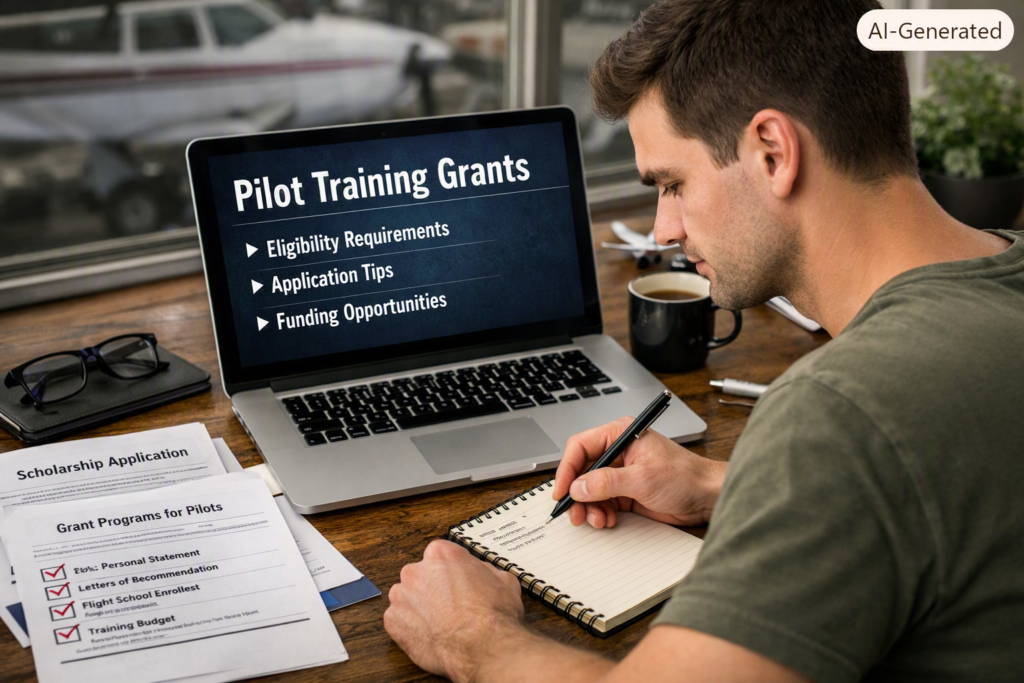
The impact of Pilot Training Grants extends far beyond the initial financial relief. For many students, receiving a grant provides validation, confidence, and momentum. It signals that industry professionals believe in your potential and are willing to invest in your future. This psychological boost can be just as valuable as the financial support itself.
Grant recipients often gain access to mentorship networks, aviation events, and professional connections that accelerate career development. Many organizations maintain long‑term relationships with their recipients, offering guidance as they progress through ratings and enter the workforce. These connections can lead to internships, job opportunities, and introductions to hiring managers at flight departments and airlines.
From a career perspective, grants help reduce financial pressure, allowing students to focus more fully on training. This often results in faster progress, higher proficiency, and stronger performance during checkrides. Students who complete training with less debt also have more flexibility when choosing career paths, whether pursuing corporate aviation, charter operations, flight instruction, or regional airlines.
Final Thoughts
The journey to becoming a professional pilot is demanding, but the financial challenges are not insurmountable. With discipline, planning, and a strategic approach, Pilot Training Grants can play a transformative role in your aviation career. They reduce financial barriers, accelerate training timelines, and connect you with organizations invested in your success. Whether you’re just beginning your private pilot training or advancing toward commercial and CFI certificates, grants offer a powerful way to build momentum and stay focused on your long‑term goals.
Aspiring aviators who approach the process with professionalism, clarity, and persistence will find that the aviation community is ready to support them. The sky may be expensive—but it is absolutely within reach.
National Pilot Training Grants
- FAA Aviation Workforce Development Grants (AWD) https://www.faa.gov/education/awd
- FAA Aviation Education Grants https://www.faa.gov/education
- National Air Transportation Foundation Grants https://nata.aero/foundation
- National Aviation Consortium Workforce Grants https://www.doleta.gov
- National STEM Workforce Grants (pilot‑eligible) https://www.grants.gov
- National Flight Training Assistance Grant (NFTAG) https://www.nftag.org
- U.S. DOT Aviation Workforce Grants https://www.transportation.gov/grants
- WIOA Federal Workforce Grants (pilot‑eligible)
https://www.careeronestop.org/LocalHelp/local-help.aspx(careeronestop.org in Bing) - U.S. Department of Education Career Skills Grants https://www.ed.gov/grants
- U.S. EDA Workforce Development Grants
https://www.eda.gov/funding-opportunities(eda.gov in Bing)
🟩 State‑Level Pilot Training Grants
- Texas Workforce Commission – WIOA Pilot Training https://www.twc.texas.gov
- Texas Skills Development Fund (aviation‑eligible)
https://www.twc.texas.gov/businesses/skills-development-fund(twc.texas.gov in Bing) - Florida Workforce Pilot Training Grants https://www.careersourceflorida.com
- California Workforce Aviation Grants https://www.edd.ca.gov
- Washington State Aviation Workforce Grants https://www.wtb.wa.gov
- Colorado Workforce Aviation Grants https://cdle.colorado.gov
- North Carolina Aviation Career Grants https://www.ncworks.gov
- Georgia High‑Demand Career Grants (aviation eligible)
https://www.tcsg.edu/free-tuition/(tcsg.edu in Bing) - Arizona Aviation Workforce Grants https://www.arizonaatwork.com
- Michigan Aviation Talent Grants https://www.michigan.gov/mwdb
🟥 Veteran & Military‑Connected Pilot Grants
- VA VR&E (Voc Rehab) – Pilot Training Track
https://www.va.gov/careers-employment/vocational-rehabilitation(va.gov in Bing) - VA VRRAP (pilot‑eligible)
https://www.va.gov/education/other-va-education-benefits/vrrap(va.gov in Bing) - Army Credentialing Assistance (pilot certificates) https://www.cool.osd.mil/army
- Air Force COOL (pilot certificates) https://www.cool.osd.mil/airforce
- Coast Guard Credentialing Assistance https://www.cool.osd.mil/coastguard
- Veterans Aviation Career Training Grants https://www.veterans.gov
- Disabled Veterans Pilot Training Grants https://www.va.gov/disability
- Military Spouse Aviation Career Grants (MyCAA)
https://www.militaryonesource.mil/education-employment/for-spouses/mycaa-scholarship(militaryonesource.mil in Bing) - Veterans Workforce Pilot Training Grants (state‑level) https://www.careeronestop.org
- Veterans Aviation Pathway Grants (private foundations) https://www.grants.gov
🟪 Women‑Focused Pilot Grants
- Women in Aviation International Training Grants https://www.wai.org
- The 99s Aviation Training Grants
https://www.ninety-nines.org/scholarships.htm(ninety-nines.org in Bing) - Women in STEM Workforce Grants https://www.grants.gov
- Women in Transportation Pilot Career Grants https://www.wtsinternational.org
- Women’s Aviation Workforce Development Grants https://www.faa.gov/education/awd
🟧 Minority & Diversity Pilot Grants
- OBAP Pilot Training Grants https://www.obap.org
- Latino Pilots Association Training Grants https://latinopilots.org
- Sisters of the Skies Training Grants https://www.sistersoftheskies.org
- NGPA Diversity Pilot Grants https://www.ngpa.org
- Minority Aviation Workforce Grants https://www.grants.gov
🟫 Airline & Corporate Pilot Training Grants
- Delta Propel Training Grants
https://www.delta.com/us/en/careers/propel-pilot-career-path-program(delta.com in Bing) - United Aviate Training Grants https://unitedaviate.com
- American Airlines Cadet Academy Grants
https://cadetacademy.aa.com(cadetacademy.aa.com in Bing) - Southwest Airlines Pilot Career Grants https://careers.southwestair.com
- JetBlue Pilot Pathway Grants https://www.jetblue.com/pilots
- FedEx Purple Runway Grants
https://www.fedex.com/en-us/careers/purple-runway.html(fedex.com in Bing) - Envoy Cadet Program Grants
https://www.envoyair.com/cadet-program(envoyair.com in Bing) - PSA Airlines Cadet Program Grants
https://www.psaairlines.com/cadet-program(psaairlines.com in Bing) - SkyWest Pilot Pathway Grants
https://www.skywest.com/skywest-airlines/careers/pilots(skywest.com in Bing) - Republic Airways LIFT Academy Grants https://flywithlift.com