AVIATION JOBS GUIDE
Aircraft Fueler: 10 Critical Duties That Make Them the Unsung Heroes of Aviation
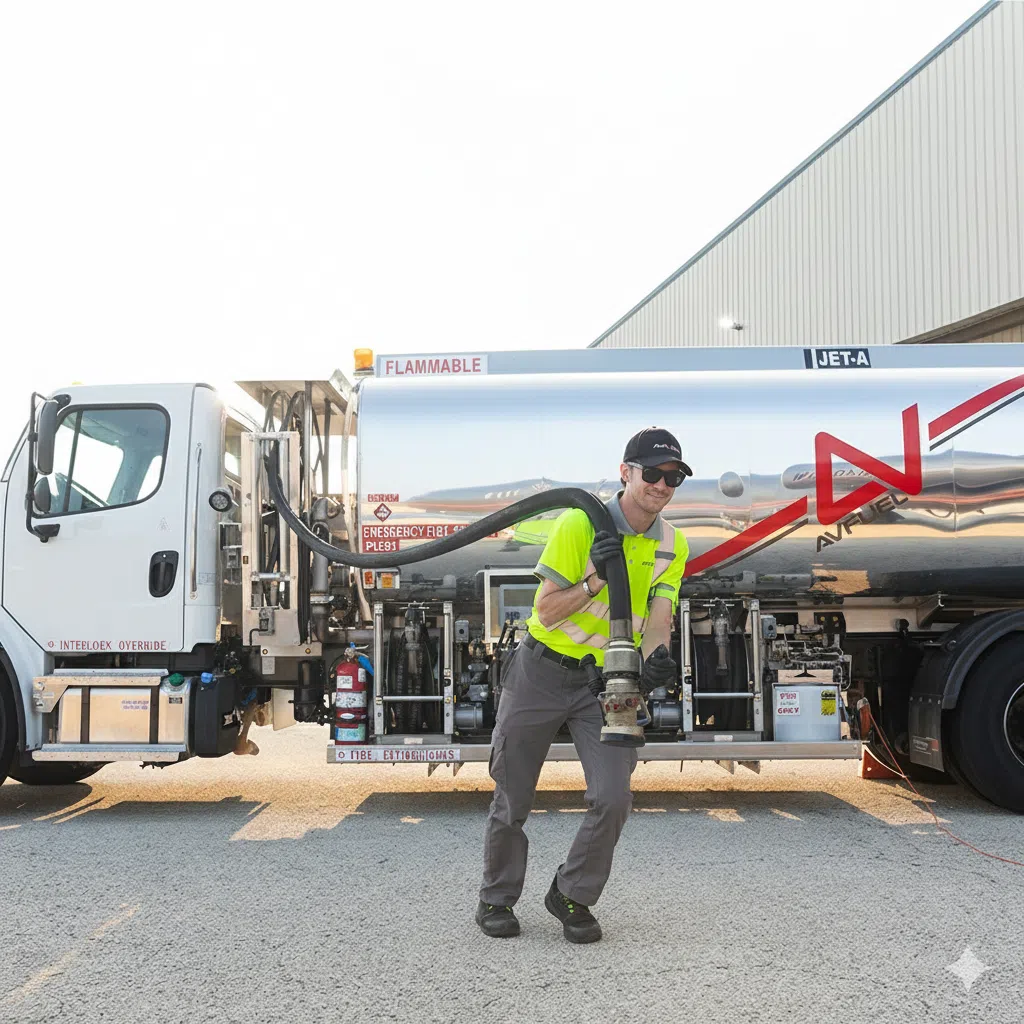
In the constant motion of an airport ramp—where aircraft taxi, crews brief, and passengers shuffle toward their gates—there’s a professional whose work rarely draws attention but is absolutely indispensable. That professional is the Aircraft Fueler. Sometimes called a Line Service Technician or Ramp Fueling Agent, the Aircraft Fueler is one of the most vital contributors to safe, efficient flight operations. Pilots may command the cockpit, but the Aircraft Fueler ensures the aircraft is ready to fly long before the master switch is ever turned on. The expertise of the Aircraft Fueler is critical to the overall success of aviation safety.
Spend a few minutes at any airport, from a quiet GA strip to a major commercial hub, and you’ll see the Aircraft Fueler moving with purpose. Their work blends technical skill, safety discipline, and a deep respect for the aircraft they service. Aviation professionals know that flight is a team effort, and the Aircraft Fueler is one of the quiet experts who keep that team functioning. Here are the 10 critical duties that make the Aircraft Fueler an unsung hero of aviation.
1. Fuel Quality Control
Before a single drop of fuel reaches an aircraft, the Aircraft Fueler performs rigorous quality checks. They sample fuel from trucks, tanks, and hydrant systems, looking for water, particulates, or discoloration. These checks happen daily—often multiple times per shift. Pilots rely on clean, uncontaminated fuel, and the Aircraft Fueler is the first line of defense in ensuring it.
2. Correct Fuel Type Identification
Every pilot understands the consequences of misfueling. The Aircraft Fueler must instantly recognize the difference between Jet A and 100LL, understand the fueling requirements of various aircraft, and verify fuel type with the pilot or crew. This duty demands precision, attention to detail, and a deep familiarity with the aircraft on the ramp.
3. Accurate Fuel Quantity Delivery
Whether topping off a Cessna 172 or loading thousands of pounds into a regional jet, the Aircraft Fueler must deliver the exact amount requested. Too much fuel affects weight and balance; too little affects range and safety margins. Fuelers calculate, confirm, and cross‑check quantities, ensuring the aircraft departs with the fuel load the crew expects.
4. Grounding and Bonding Procedures

Static electricity is a real hazard around fuel vapors. The Aircraft Fueler grounds the aircraft and bonds the fueling equipment before opening any caps or connecting hoses. This simple but essential step prevents sparks and protects both the aircraft and the crew. It’s one of the most important safety rituals on the ramp.
5. Ramp Safety and Situational Awareness
The ramp is a dynamic environment—props spinning, jets taxiing, tugs moving, and people working in tight spaces. The Aircraft Fueler must maintain constant situational awareness. They position fuel trucks safely, avoid jet blast and prop arcs, and stay alert to changing conditions. Their vigilance keeps everyone safer.
6. Fuel Truck and Hydrant System Operation
Operating fueling equipment is a skill in itself. Aircraft Fuelers manage fuel trucks, hydrant carts, hoses, nozzles, and meters. They understand pump pressures, flow rates, and shutoff systems. They maneuver large vehicles in tight spaces and operate them with the precision of a pilot taxiing an aircraft.
7. Communication with Pilots and Flight Crews
Clear communication is essential in aviation, and the Aircraft Fueler plays a key role in that exchange. They interact with crews on every turn—confirming fuel type, quantity, special requests, and safety considerations. A skilled fueler becomes a trusted partner on the ramp, someone pilots rely on for accuracy and professionalism.
8. Coordination with Ramp and Operations Teams
At larger airports, fueling is part of a tightly choreographed dance. The Aircraft Fueler coordinates with gate agents, dispatchers, ramp crews, and maintenance teams. A delay in fueling can ripple across the entire schedule, so fuelers work with efficiency and timing that keeps the operation on track.
9. Pre‑Fuel and Post‑Fuel Inspections
Before fueling, the Aircraft Fueler inspects the aircraft’s fueling ports, caps, and surrounding surfaces. After fueling, they ensure caps are secure, panels are closed, and no drips or leaks remain. These inspections are small but critical steps that contribute directly to flight safety.
10. Hazard Recognition and Emergency Readiness
From fuel spills to equipment malfunctions, the Aircraft Fueler must be ready to respond instantly. They’re trained in emergency shutdown procedures, spill containment, and fire safety. Their ability to recognize hazards early—and act quickly—protects aircraft, crews, and the entire ramp environment.
The Quiet Professionals Who Keep Us Flying
The Aircraft Fueler may not sit in the cockpit, but their work is woven into every safe departure. They ensure the fuel is clean, the load is correct, the aircraft is protected, and the ramp remains safe. They work in heat, cold, wind, and rain. They fuel trainers, turboprops, business jets, and airliners. And they do it all with a level of professionalism that often goes unnoticed but never goes unneeded.
Aviation professionals understand that flight is built on teamwork. The Aircraft Fueler is one of the essential teammates who keeps the system running smoothly. They are the unsung heroes of the ramp—steady, skilled, and indispensable to every flight.