AVIATION JOBS GUIDE

Aviation Certifications: Which Ones Do You Need?
Aviation certifications explained: learn which credentials lead to pilot, maintenance, dispatch, and cabin careers, and plan your next training step now.
Aviation certifications can look like a single checklist from the outside. In practice, they are career-specific credentials with very different costs, timelines, medical standards, and earning potential. A commercial pilot, aircraft mechanic, flight dispatcher, and flight attendant may all work for the same airline, but they qualify through entirely different systems.
The right question is not, “Which certification should I get first?” It is, “Which aviation job am I trying to qualify for?” Starting with the job target helps you avoid paying for training that does not move you closer to the role you actually want.
What Aviation Certifications Actually Do
In the United States, the Federal Aviation Administration regulates many credentials required to perform safety-sensitive aviation work. These credentials may be called certificates, ratings, authorizations, or endorsements. The terminology matters because a rating added to a pilot certificate is not the same thing as a mechanic certificate, and neither works like an employer-issued flight attendant qualification.
A credential generally proves one of three things: you have met baseline knowledge and skill standards, you are legally permitted to perform a regulated duty, or you have completed training for a specific aircraft, operation, or employer. Some credentials travel with you throughout your career. Others apply only while you work for a particular operator.
That distinction is especially useful for career changers. A transferable FAA credential can improve your mobility between employers, while company training may be essential for getting hired but less useful if you move to another organization.
Aviation Certifications by Career Path
Pilot certificates and ratings
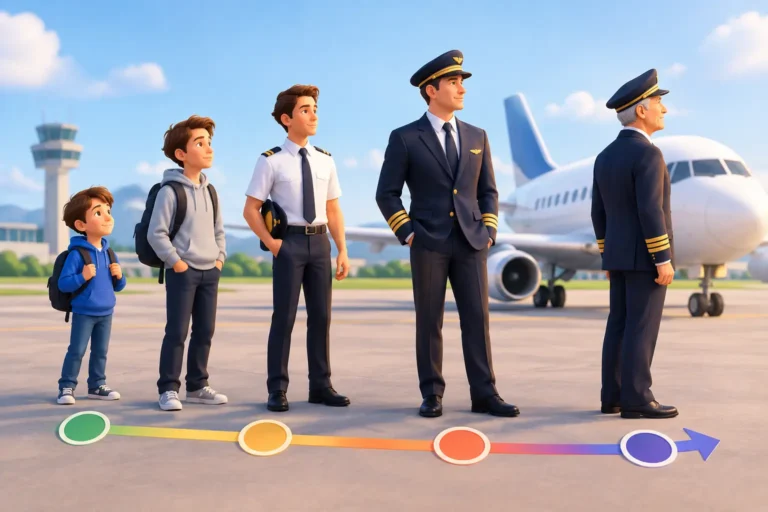
Piloting has the most visible certification ladder. Most professional pilot paths begin with a private pilot certificate, followed by an instrument rating and commercial pilot certificate. The instrument rating allows a pilot to fly under Instrument Flight Rules, a major requirement for most paid flying jobs and airline-track training.
A commercial certificate permits pilots to be compensated for certain flying services, but it does not automatically qualify someone for an airline cockpit. Airline pilots generally need an Airline Transport Pilot certificate, commonly called an ATP. The standard ATP requires significant flight experience, including 1,500 total flight hours in many cases. Some graduates of approved aviation degree programs may qualify for a restricted ATP with fewer hours, although they still must meet the airline’s hiring and training standards.
Additional ratings often shape a pilot’s job options. A multi-engine rating is valuable for airline, charter, and corporate flying. A flight instructor certificate can help pilots build the experience needed for commercial jobs while earning income. Type ratings are required to operate certain large or turbojet aircraft and are often completed as part of employer training after a pilot is hired.
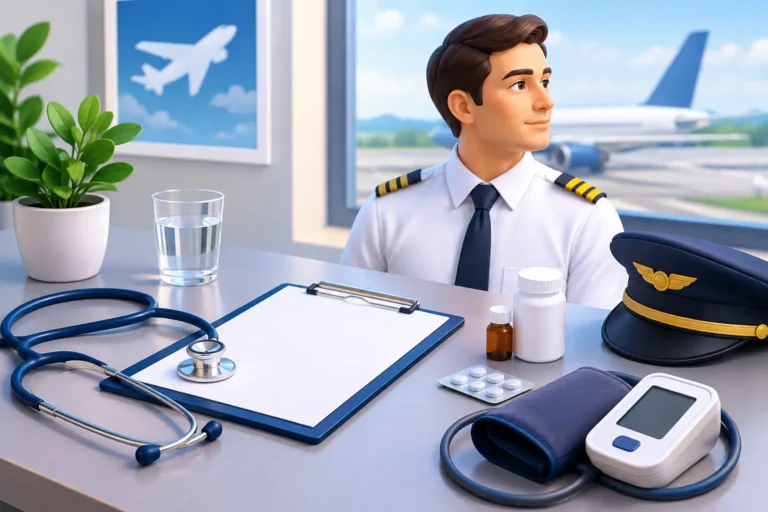
Do not overlook the medical certificate. It is separate from a pilot certificate, but it can determine whether a particular career path remains practical. Airline pilots typically need a first-class medical certificate. Before investing heavily in flight training, aspiring professional pilots should understand the medical requirements that apply to their target role.
Aircraft mechanic certification
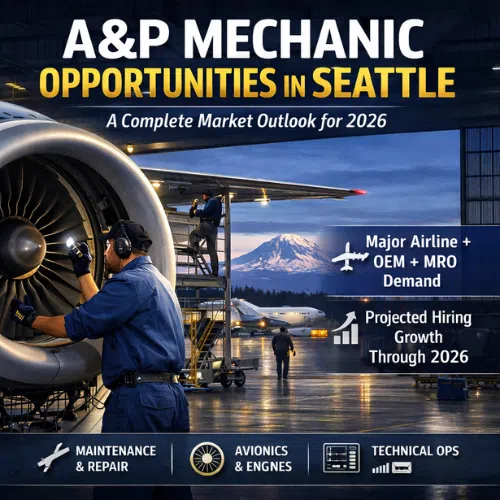
Aircraft maintenance technicians commonly pursue the FAA mechanic certificate with Airframe and Powerplant ratings, usually called an A&P. The Airframe rating covers aircraft structures and systems, while the Powerplant rating covers engines and related components. Many employers prefer or require both ratings because the combined credential provides broader maintenance flexibility.
Candidates can qualify through an FAA-approved aviation maintenance technician school or by documenting qualifying practical experience. They must then pass written, oral, and practical examinations. This pathway often appeals to people who want a technical aviation career without the cost and flight-hour requirements associated with piloting.
An A&P is a strong long-term credential, but it is not the finish line. Mechanics may add specialized training on particular aircraft, avionics systems, inspection procedures, or employer maintenance programs. Inspection Authorization, or IA, is another advanced credential for eligible experienced mechanics. It can expand responsibility and opportunity, particularly in general aviation maintenance, but it is not needed for every mechanic job.
Flight dispatcher certification
Flight dispatchers share operational responsibility with airline captains for flight planning and release decisions. It is a high-accountability role that suits people who enjoy weather analysis, regulations, logistics, and real-time decision-making more than hands-on aircraft work.
An FAA aircraft dispatcher certificate is required for many airline dispatcher positions. Training programs cover meteorology, navigation, aircraft performance, air traffic procedures, and dispatch regulations. After completing approved training, candidates must pass FAA knowledge, practical, and oral evaluations.
Dispatcher training is often shorter and less expensive than pilot training, but the work can involve shift schedules, holidays, and constant operational pressure. It is a credible aviation entry path for candidates who want airline operations experience without needing a pilot medical certificate or thousands of flight hours.
Flight attendant qualifications
Flight attendants do not earn a universal FAA certificate before applying in the same way pilots and mechanics do. Airlines hire candidates and provide their own FAA-approved initial training. Once the training is completed, flight attendants receive a Certificate of Demonstrated Proficiency tied to that airline’s operation.
This means a standalone “flight attendant certification” from a private school is not usually a requirement for airline hiring. Such programs may offer interview coaching, customer service instruction, or familiarity with aviation terminology, but they do not replace an airline’s required training. Candidates are generally better served by strengthening customer-facing experience, communication skills, schedule flexibility, and the ability to meet airline-specific hiring standards.
Other aviation credentials worth understanding
Not every aviation job requires an FAA certificate. Aerospace engineers typically need an engineering degree and relevant technical experience, while air traffic controllers follow an FAA hiring and training process that includes agency-specific screening, academy training when applicable, and facility certification. Airport operations roles may value aviation management education, emergency planning experience, or industry credentials, but requirements vary by airport and employer.
Drone work is another exception worth considering. Commercial small-drone operators generally need an FAA Remote Pilot Certificate under Part 107. This can be a relatively accessible credential for jobs involving inspection, mapping, photography, agriculture, or public safety support. It is not a shortcut into airline work, but it can create a distinct aviation-related career option.
How to Choose the Right Certification First
Choose your first credential based on the role you want in the next one to three years, not the title that sounds most impressive. Someone interested in airline dispatch should not start by pursuing a private pilot certificate unless they also want flight experience for personal reasons. Likewise, an aspiring mechanic should investigate A&P training instead of collecting entry-level pilot credentials that will not count toward maintenance eligibility.
Consider four practical factors before enrolling: time to qualification, total cost, medical or background requirements, and early-career job availability. A pilot path can offer substantial long-term earning potential, but it often demands the largest financial commitment and a deliberate plan for building flight time. Maintenance and dispatch may provide more direct routes to airline employment, although pay, schedules, and advancement differ by employer and region.
It also helps to separate required credentials from preferred qualifications. For example, an A&P may be required for a maintenance job, while prior turbine experience is preferred. A commercial pilot certificate may qualify you for some paid flying, while a multi-engine rating and instructor certificate may make it easier to find hour-building work. Knowing the difference prevents you from delaying applications until you feel overqualified.
Avoid Common Training Mistakes
The most expensive mistake is treating aviation education as a generic purchase. Before committing to a school, verify exactly which FAA certificate, rating, or eligibility requirement the program supports. Ask what tests are included, what additional fees apply, how long training typically takes, and whether students finish with the experience employers expect.
Be cautious with programs that promise a job without explaining the credential behind it. Employers hire for demonstrated qualifications, safety standards, work history, and fit for the operation. Training can improve your candidacy, but no certificate removes the need to meet hiring minimums or perform well in an interview.
For pilots, a training plan should include the period after the commercial certificate, when flight time still must be built. For mechanics, it should include test preparation and a strategy for gaining experience on the aircraft types you want to work on. For dispatchers and cabin crew candidates, it should account for the reality of shift work and possible relocation.
Aviation careers reward focused preparation. Identify the job, confirm the credential required by regulation and employers, then choose training that gets you there with the fewest unnecessary detours. The certificate on your resume matters, but the career plan behind it matters just as much.