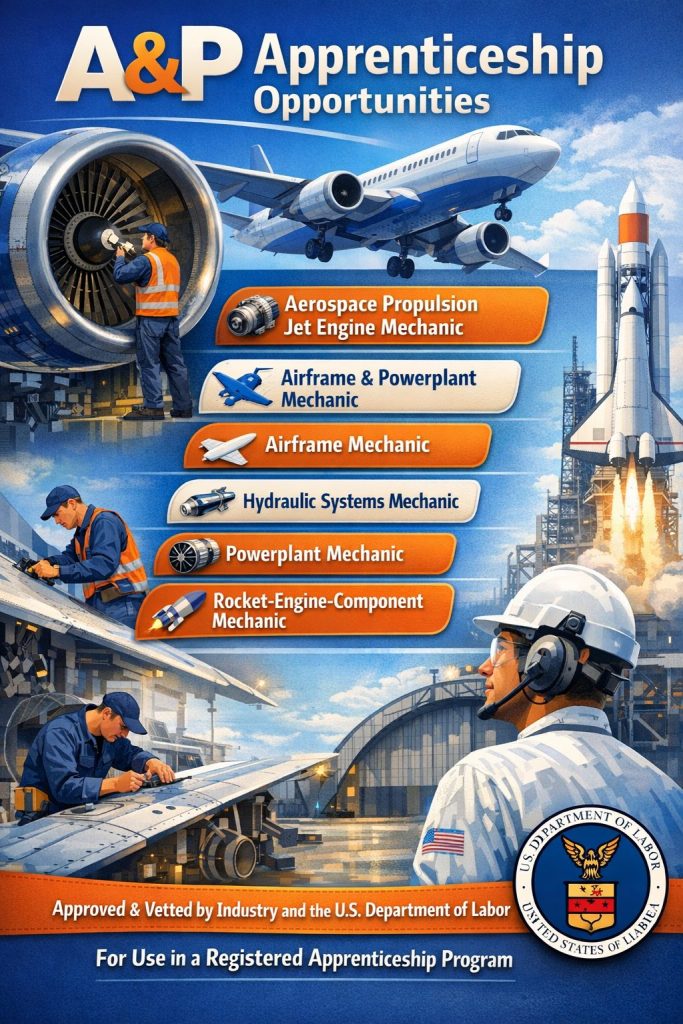
Aircraft Maintenance is one of the most in‑demand paths in aviation. This category covers A&P mechanics, avionics technicians, structures specialists, and inspectors who keep aircraft safe, compliant, and mission‑ready. Explore training requirements, certifications, salary ranges, and career progression across airlines, MROs, corporate aviation, and defense. Perfect for students, job seekers, and parents researching stable, high‑growth aviation careers.
 Charles Simmons
Tools Every Aircraft Mechanic Needs: The Complete Guide for A&P Students and Technicians
Aviation maintenance is a profession of precision. In this industry, a single safety wire twist or a fraction of a foot-pound of torque can be the difference between a routine flight and a catastrophic failure. For the A&P student or the seasoned technician, your toolbox is more than just a collection of steel; it is your primary defense against mechanical error.
This guide categorizes the essential gear required to maintain airworthiness, offering professional insights and high-quality recommendations for building a world-class toolkit.
1. Core Hand Tools: The Daily Drivers
Hand tools are the most utilized items in any hangar. Because aviation hardware is often tucked into cramped conduits or high-heat environments, ergonomics and durability are paramount.
Precision Wrenches

Aircraft fasteners demand tight tolerances. A rounded bolt head in a turbine housing can lead to hours of unnecessary extraction work.
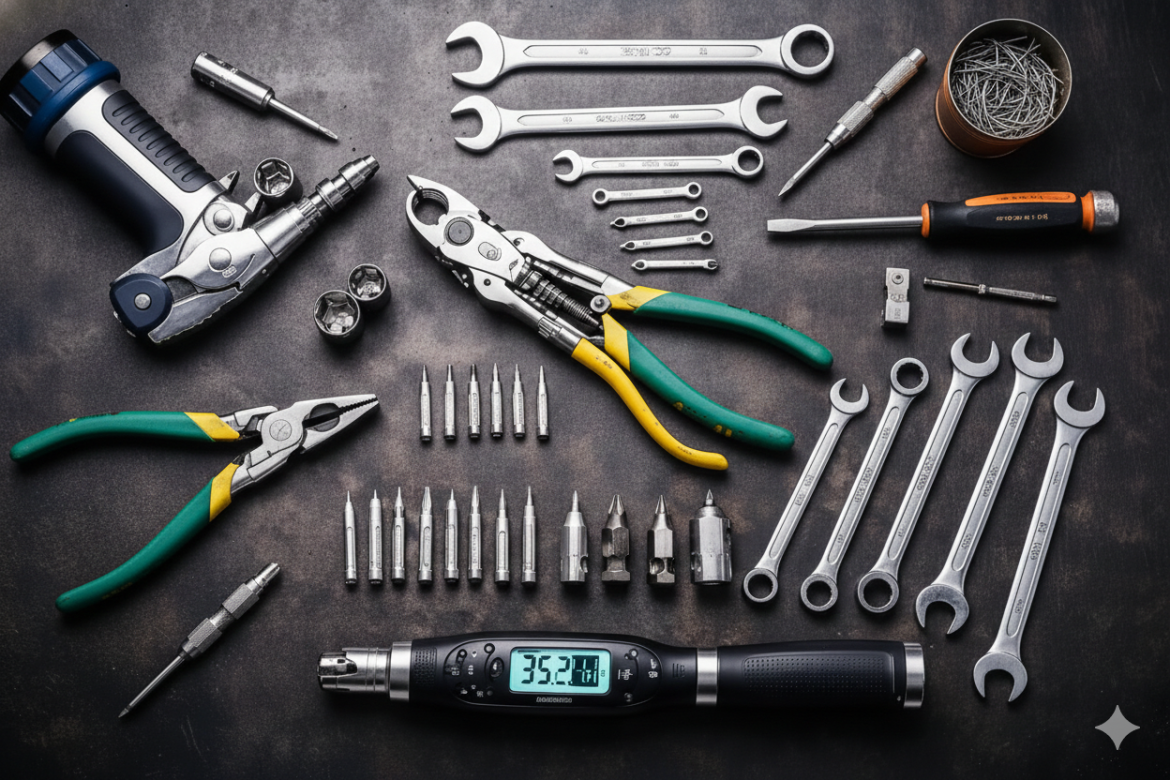
- What to Look For: 12-point box ends for better engagement, slim profiles for tight clearances, and high-strength chrome vanadium steel.
- Pro Tip: Look for sets with smooth ratcheting action to speed up work in confined spaces.
- Top Choice: Gearwrench 20-Piece Ratcheting Wrench Set — The industry standard for balancing price and professional performance.
Pliers and Safety Wire Twisters
In aviation, “vibration-proof” means safety wire. You will spend a significant portion of your career securing bolts and filters.
- Essentials: Duckbill pliers for pulling wire, needle-nose for reach, and high-quality diagonal cutters.
- OEM Safety Wire Twisters. If you are serious about a career in maintenance, don’t settle for less; these provide the consistent, tight twists required by the FAA. NOTE: Milbar seems to be the gold standard for wire twisters.
2. Torque Tools: Ensuring Structural Integrity
Over-torquing is as dangerous as under-torquing. Proper clamping force is vital for engine components and flight controls.
Torque Wrenches
A professional shop usually requires three distinct sizes:
- 1/4-inch Drive: For small fasteners and electrical components.
- 3/8-inch Drive: The “workhorse” for general maintenance.
- 1/2-inch Drive: For heavy-duty tasks like landing gear and structural bolts.
- Top Choice: CDI or Precision Instruments. These brands are renowned for maintaining calibration even under heavy shop use.
Torque Screwdrivers
Essential for avionics racks and interior panels where plastic or delicate aluminum threads are easily stripped.
- Top Choice: Wheeler FAT Stix Torque Screwdriver Set.
3. Inspection Tools: The Eyes of the Mechanic
You cannot fix what you cannot see. Inspection is 70% of an A&P’s job.
- Borescopes: Modern digital borescopes allow you to inspect cylinder walls and turbine blades without a full teardown. The Depstech Wireless Borescope offers high-definition clarity at a price point accessible to students.
- Tactical Lighting: A slim, high-lumen light is mandatory. The Streamlight Stylus Pro fits perfectly in a uniform pen pocket and stands up to fuel and oil exposure.
4. Precision Measuring & Electrical
Aviation tolerances are often measured in thousandths of an inch.
Measuring Kits
- Digital Calipers: Used for checking brake wear, shim thickness, and cable diameters. Mitutoyo Digital Calipers are the “gold standard” for accuracy in the hangar.
- Feeler Gauges: Critical for timing magnetos and checking spark plug gaps.
Multimeters
Whether you’re troubleshooting a landing light or a complex glass cockpit, a multimeter is your primary diagnostic tool.
- The Professional Choice: Fluke 87V Multimeter. It is the most trusted name in the industry for a reason—it is virtually indestructible and highly accurate.
5. Aviation-Specific Specialty Tools
Some tasks require tools you won’t find at a standard hardware store.
- Magneto Timing Light: Essential for piston engine “Annuals” and 100-hour inspections.
- Aviation Spark Plug Sockets: These are deeper and thinner-walled than automotive sockets to fit inside tight engine cooling fins.
- Rivet Guns & Bucking Bars: If your path leads to sheet metal and structures, Chicago Pneumatic kits are the preferred choice for driving solid rivets.
6. Organization and Safety (PPE)
A professional mechanic is an organized mechanic. Foreign Object Debris (FOD) is a constant threat to aircraft safety.
- Shadow Foam: Use cut-to-fit foam in your toolbox drawers. This allows for an instant visual inventory at the end of a shift—if a slot is empty, a tool is still on the aircraft.
- PPE: Never compromise on safety. Invest in high-quality 3M Respirators for fuel cell work and impact-resistant safety glasses for drilling.
Final Thoughts: The Long-Term Investment
Building a professional toolkit is a marathon, not a sprint. Start with high-quality basics (wrenches, pliers, and lighting) and add specialized tools like torque wrenches and borescopes as your career progresses.
Quality tools do more than just turn bolts; they represent your commitment to craftsmanship and the safety of the flying public.
Ready to start your build? Focus on the “Big Five” first:
 Thor's Hammer