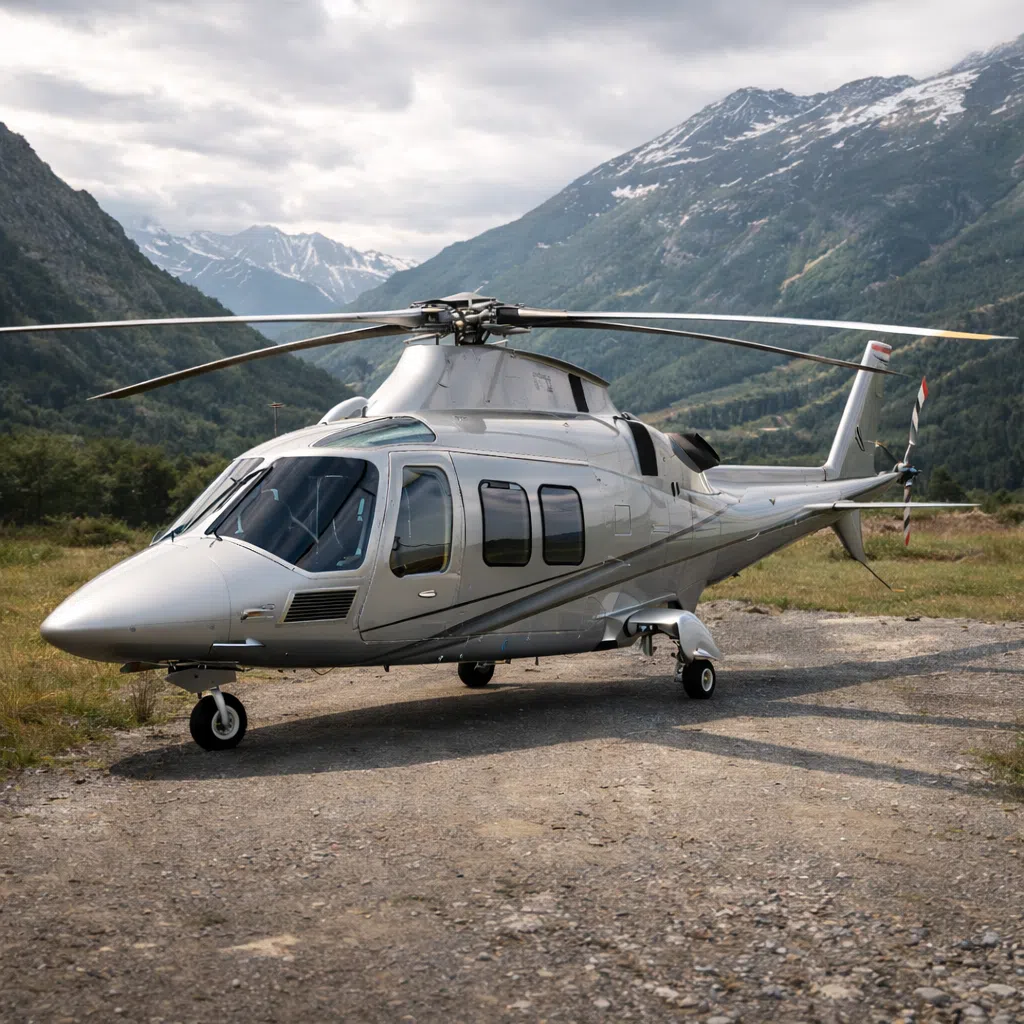
For many adults, the dream of becoming a pilot after 30 doesn’t fade with age—it grows louder. Maybe you’ve spent your twenties building a career that no longer inspires you. Maybe aviation has always been in the back of your mind, but life, finances, or timing got in the way. The good news is simple and encouraging: becoming a pilot after 30 is absolutely possible, and thousands of professional pilots begin their training in their thirties, forties, and even fifties.
Many people find themselves at a crossroads in their careers as they reach their thirties. The pursuit of becoming a pilot can serve as a fulfilling new direction. With the growth of the aviation sector and the increasing demand for pilots, this dream is more attainable than ever. Whether you’re drawn to the technical aspects of flying, the adventure, or the sense of freedom that comes with piloting an aircraft, there are numerous pathways to explore. Investing time in research and connecting with experienced pilots can provide invaluable insights that may help solidify your decision to embark on this journey.
These advantages include a clearer vision of career goals, a more profound understanding of the commitment involved, and often, a stronger support network. Adults tend to approach challenges with a more pragmatic mindset, which can lead to more effective problem-solving strategies both in the classroom and the cockpit.
In fact, starting pilot training at 30 often comes with advantages younger students don’t have.
Embracing a positive mindset is crucial. The journey to becoming a pilot is not without its challenges, but viewing these hurdles as opportunities for growth can significantly enhance your training experience. Many successful pilots over the age of 30 cite their age and life experiences as key factors in their ability to handle complex situations and high-pressure environments.
1. Age Is Not a Barrier—Mindset Is
Becoming a Pilot After 30: A New Beginning
The FAA places no upper age limit on starting flight training. The only hard rule is that airline pilots must retire at 65. That gives someone starting at 30 a full 35‑year runway—longer than many careers last.
More importantly, adults bring qualities that flight schools and airlines value:
- Maturity
- Discipline
- Better financial planning
- Stronger decision‑making
- Professionalism and communication skills
These traits translate directly into safer, more reliable pilots.
2. Understand the Training Requirements
The training path is the same regardless of age:
- Private Pilot License (PPL)
- Instrument Rating (IR)
- Commercial Pilot License (CPL)
- Multi‑Engine Rating
- Flight Instructor Certificates (CFI/CFII/MEI)
- Build flight time to reach ATP minimums
- Earn the Airline Transport Pilot certificate
Understanding these stages can also help you better anticipate the time and resources you’ll need to allocate. Each training requirement serves as a stepping stone towards your ultimate goal, and being aware of this can lead to a more structured approach to your education and flight experience. Tailoring your training schedule based on your personal life and commitments is an effective strategy that can lead to success.
Most pilots starting after 30 follow the civilian route through flight schools or accelerated academies. The key is choosing a program that fits your lifestyle—full‑time, part‑time, or modular.
If you are going to learn to fly, you’ll need this Jepp Private Pilot Starter Kit!
3. The Medical Requirement: Get This Done Early
To fly for an airline, you’ll eventually need a First Class medical certificate. Most healthy adults pass without issue, but it’s smart to schedule the exam before investing heavily in training. Conditions like vision correction, mild anxiety, or past surgeries are often manageable—you just want clarity upfront.
4. The Financial Reality
Training typically costs $70,000–$100,000+, depending on the school and pace. Adults often have an advantage here:
- Better credit
- More stable income
- Ability to plan and budget
- Employer tuition programs (in some cases)
Many students also work as flight instructors to offset costs while building hours.
5. Career Timeline: Starting at 30 Still Works
A realistic timeline looks like this:
- 30–32: Complete training and build hours
- 32–34: Fly for a regional airline as a First Officer
- 35–38: Upgrade to Captain
- Late 30s to early 40s: Become competitive for major airlines
This still leaves 20–25 years at the top of the profession—plenty of time to build seniority, earn a strong income, and enjoy the lifestyle.
Securing a First Class medical certificate is a fundamental step in the pilot training process. It’s advisable to consult with an aviation medical examiner early on to address any potential health concerns. Taking proactive measures to maintain your health will not only help you secure this vital certification but also enhance your overall flying capabilities. Additionally, understanding the medical requirements can help you prepare for the psychological aspects of training, particularly if you face any challenges.
6. The Real Advantage of Starting Later
In addition to financial planning, consider alternatives such as scholarships or grants specifically designed for adult learners. Many organizations recognize the potential in older candidates and provide resources to help alleviate the financial burden. Networking with local aviation communities can also yield opportunities for sponsorships or mentorship programs.
You’re not guessing. You’re choosing.
Adults who start flying after 30 tend to be more intentional, more focused, and more committed. They’re not chasing a fantasy—they’re pursuing a calling with eyes wide open.
Final Thoughts
If aviation has been tugging at you for years, your age isn’t the obstacle—uncertainty is. With the right plan, the right school, and a clear understanding of the path, becoming a pilot after 30 is not only possible—it’s often the smartest time to begin.
This timeline reflects a realistic approach to a career in aviation. Each phase of training and employment presents unique challenges and learning experiences. The journey may take longer for some, but perseverance and dedication can lead to fulfilling opportunities in the aviation industry. Many pilots have shared their stories of overcoming obstacles and achieving their dreams, serving as inspiration for those who take the leap later in life.
Choosing to pursue a career in aviation later in life often means you approach flying with a deep appreciation for the art and science behind it. Adults bring valuable life skills that can enrich their training experience. Many instructors emphasize the importance of real-world experience, which adult learners are more likely to possess. This understanding can foster a more profound connection with the material and enhance overall performance.
Ultimately, the journey of becoming a pilot after 30 is not simply about age; it’s about your passion, commitment, and readiness to embrace new challenges. Each hour spent in training and each flight taken brings you closer to your goal. With a clear vision for your future and a well-thought-out plan, there’s no reason why pursuing a career in aviation in your thirties or beyond cannot be both achievable and incredibly rewarding. Take the first step today. Your dreams of Becoming a Pilot After 30 are waiting to be realized.