AVIATION JOBS GUIDE
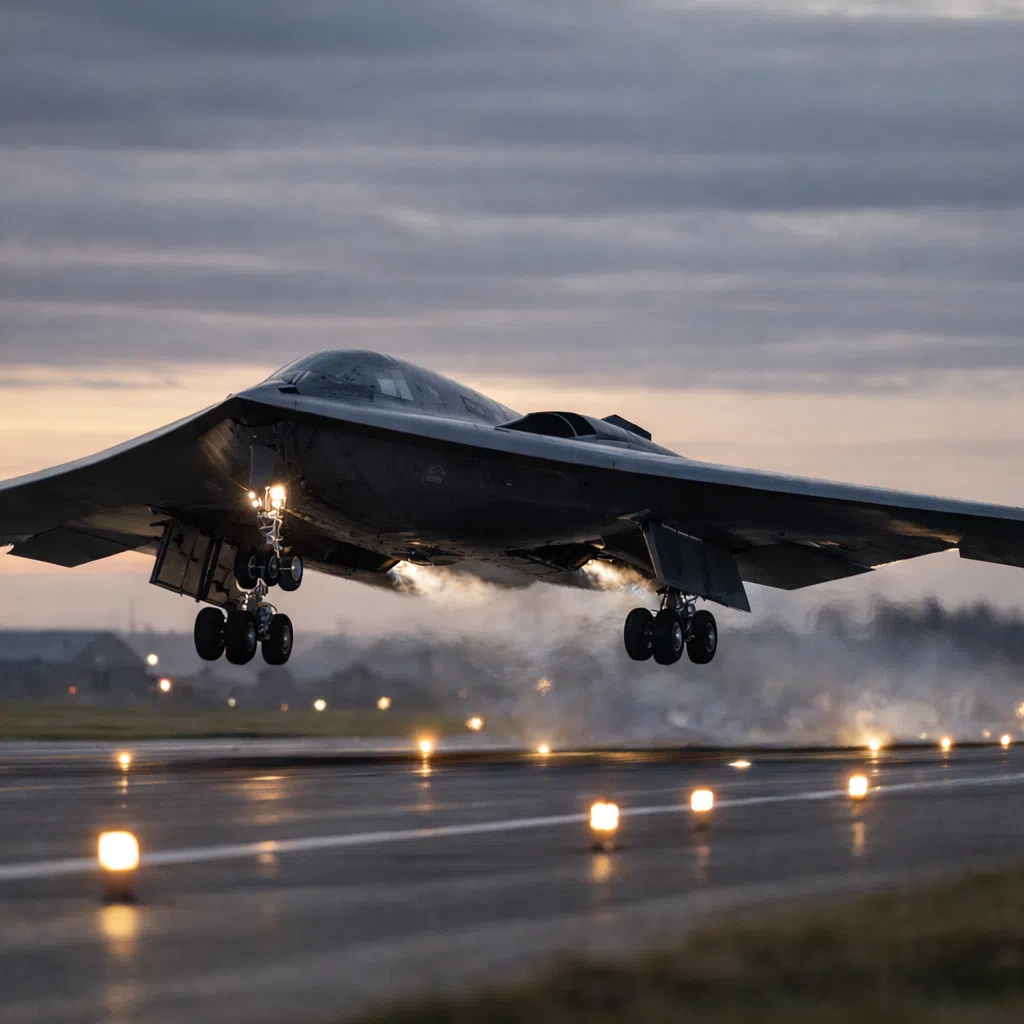
U.S. BOMBER PILOT: THE HERITAGE OF QUIET POWER SINCE 1942
If WWII U.S. bomber pilots lived in the crucible of combat, the Cold War generation lived in the tension of constant readiness. The introduction of the B‑47 and B‑52 ushered in a new era: long‑range nuclear deterrence.
A Multi‑Generation Profile of the U.S. Bomber Pilot Lifestyle
Introduction: The Enduring Identity of the U.S. Bomber Pilot
Since 1942, the U.S. bomber pilot has represented one of the most distinctive identities in American airpower. Unlike the fast‑paced world of fighters, the bomber pilot lifestyle is defined by distance, endurance, and the quiet weight of strategic responsibility. Across generations—from the early days of long‑range aviation to the modern era of global strike—bomber pilots have carried a mission that demands patience, discipline, and unshakeable resolve.
This heritage profile traces the evolution of the culture, showing how each generation shaped the next and how the community’s shared norms, rituals, and values continue to define the career today.
I. The First Generation: When Distance Became a Mission
Long before the term “global strike” existed, early Army Air Corps crews were learning what it meant to fly far beyond the horizon. In the 1930s, the idea of long‑range aviation was still experimental. Aircraft like the B‑17 and B‑24 were crude by modern standards, but they introduced a new kind of flying—one built on endurance rather than speed.
These early pilots discovered the foundational traits that still define the lifestyle:
- Calm under uncertainty
- Discipline under fatigue
- Strategic thinking over tactical impulse
They were not yet part of a formal “bomber community,” but they were already living the culture: long hours, long distances, and long silences broken only by the hum of engines and the steady rhythm of crew coordination.
This was the birth of the identity—a blend of patience, method, and quiet confidence.

Jimmy Stewart: U.S. Bomber Pilot
Of all the celebrities who served their country during World War II — and they were legion — Jimmy Stewart was unique. On December 7, when the attack on Pearl Harbor woke so many others to the reality of war, Stewart was already in uniform — serving as a private on guard duty south of San Francisco at the Army Air Corps Moffet Field. Seeing war on the horizon, and at the height of his fame after Mr. Smith Goes to Washington and his Oscar‑winning performance in The Philadelphia Story (1940), Stewart had enlisted months earlier.
Jimmy Stewart: Bomber Pilot chronicles his long journey to become a combat bomber pilot. Author Starr Smith — the intelligence officer assigned to the movie star — recounts how Stewart’s first battles were not in the skies over Europe, but with the Air Corps high command, who tried to keep the naturally talented pilot stateside as an instructor for B‑17 Flying Fortresses and B‑24 Liberators.
By 1944, however, Stewart succeeded in joining a Liberator squadron deploying to England as part of the mighty Eighth Air Force. Once in combat, he rose to command his own squadron and flew 20 missions, including a dangerous run to Berlin.
Buy on AmazonII. World War II: The Forging of U.S. Culture
By the time the United States entered World War II, bomber aviation had matured into a defining element of American airpower. The crews of the Eighth Air Force, flying from English airfields into heavily defended skies, lived a life shaped by ritual and resolve.
Many of the rituals that modern bomber pilots still practice were born here:
- The Brief — a meticulous, hours‑long walkthrough of the mission
- The Walk‑Around — a physical and symbolic inspection of the aircraft
- The Step — the crew’s quiet procession to the bomber
- The Long Flight — hours of endurance, teamwork, and vigilance
- The Debrief — honest, unvarnished accountability
These rituals created a sense of belonging and psychological safety long before the term existed. A bomber crew’s survival depended on trust. Every voice mattered. Every concern had to be heard.
The WWII generation also cemented the bomber community’s shared norms and standards:
- No shortcuts
- No assumptions
- No complacency
Their missions were measured not in minutes, but in hours. Their success depended not on individual heroics, but on collective discipline.
This era forged the bomber pilot’s reputation as a steady, deliberate professional—a reputation that still defines the career today.
The Doolittle Raid: America’s First Strike Back on Japan
The Legacy of Courageous B-17 Pilot Colin Kelly
How This WWII B-17 Bomber Pilot Survives 35 Missions

The B‑17 generally offered better crew survival odds than the B‑24.
INTERESTING FACT
B‑17s stayed in the air longer when damaged.
B‑17s ditched more safely.
B‑17 crews had better internal mobility for escape.
Veterans consistently viewed the B‑17 as the safer aircraft.
III. The Cold War: The Era of Strategic Vigilance
If WWII bomber pilots lived in the crucible of combat, the Cold War generation lived in the tension of constant readiness. The introduction of the B‑47 and B‑52 ushered in a new era: long‑range nuclear deterrence.
The bomber pilot lifestyle during this period was shaped by:
- Alert facilities
- Scramble drills
- Endless planning
- Endless waiting
- Endless responsibility
These pilots trained for missions they hoped would never be flown. Their work was quiet, disciplined, and often invisible to the public. Yet their presence shaped global stability.
The Cold War refined the bomber community’s identity into something almost monastic:
- Precision over impulse
- Restraint over aggression
- Judgment over bravado
Aircraft Commanders became trusted guides, teaching younger pilots the art of long‑range decision‑making and the discipline required to manage fatigue, complexity, and geopolitical stakes.
This generation didn’t seek recognition. Their victories were measured in decades of peace.
IV. The Modern Era: Precision, Complexity, and Global Reach
Today’s Air Force bomber pilots inherit a legacy that spans nearly a century. They fly aircraft older than their parents—B‑52s built in the 1960s—equipped with technology younger than their children. They operate in a world where missions stretch across oceans, where targets shift in real time, and where diplomacy and strategy intertwine with every sortie.
Modern bomber pilots must be:
- Strategists
- Tacticians
- Communicators
- Crew leaders
- Systems managers
Their missions often last 12–20 hours. Their decisions carry global implications. Their culture blends the rituals of the past with the demands of modern warfare.
The path of progression remains familiar:
Student → Co‑Pilot → Aircraft Commander → Instructor → Evaluator → Mission Commander.
But the expectations have grown. Today’s bomber pilots must not only execute missions—they must advance tactics, strengthen the community, and mentor the next generation.
They are custodians of a legacy built on endurance, trust, and deliberate action.
V. The Culture That Connects Every Generation
Across nearly 100 years, the bomber community has preserved a remarkably consistent identity. Technology changes. Aircraft evolve. Missions shift. But the culture remains.
Shared Mission
Global strike. Long‑range reach. Strategic effect.
Common Identity
Steady. Strategic. Deliberate.
Shared Norms and Standards
Plan meticulously. Execute methodically. Debrief honestly.
Belonging and Psychological Safety
Crew integrity is sacred.
Path of Progression
Leadership earned through judgment, not ego.
Rituals and Shared Language
The Brief. The Step. The Long Flight.
Trusted Guides
Aircraft Commanders who shape culture as much as they fly missions.
Reciprocity
Each generation mentoring the next.
Boundaries and Standards Protection
Inclusive of character; exclusive of anything that weakens the mission.
A Future and Forward Momentum
A community always preparing for the next horizon.
VI. Why the Lifestyle Still Matters
Walk into any bomber squadron today and you’ll see echoes of every generation that came before:
- A crew huddled around a mission map
- A pilot running a hand along a cold metal fuselage
- A young co‑pilot absorbing the wisdom of a seasoned Aircraft Commander
- A team preparing for a mission that will take them farther than most people travel in a year
The aircraft may change.
The geopolitics may shift.
The technology may evolve.
But the culture—the quiet, steady, unshakeable culture—remains.
B-1 Lancer : US Most Feared Supersonic Bomber Ever Made
The bomber tribe lifestyle is not defined by speed or spectacle. It is defined by responsibility. By endurance. By the promise that, if called upon, these pilots can deliver strategic power with precision and restraint.
They are the long‑range conscience of American airpower.
The keepers of a mission that spans generations.
The stewards of a legacy built on quiet power.
FAQ: Becoming and Living as a U.S. Bomber Pilot
What is the lifestyle of a bomber pilot?
Bomber pilots live a steady, disciplined lifestyle built around long‑range missions, extensive planning, and strong crew relationships. Flights often last 12–20 hours, requiring endurance and teamwork.
How do you become a bomber pilot?
You must commission as an officer, complete Undergraduate Pilot Training, and be selected for a bomber assignment. From there, pilots train on the B‑52, B‑1, or B‑2.
What aircraft do bomber pilots fly?
The U.S. Air Force bomber fleet includes the B‑52 Stratofortress, B‑1B Lancer, and B‑2 Spirit, with the B‑21 Raider entering service soon.
What makes bomber pilots different from fighter pilots?
Bomber pilots focus on long‑range strategy, crew coordination, and endurance. Their missions emphasize precision, patience, and global reach rather than short‑duration tactical engagements.
ADDITIONAL READING: